
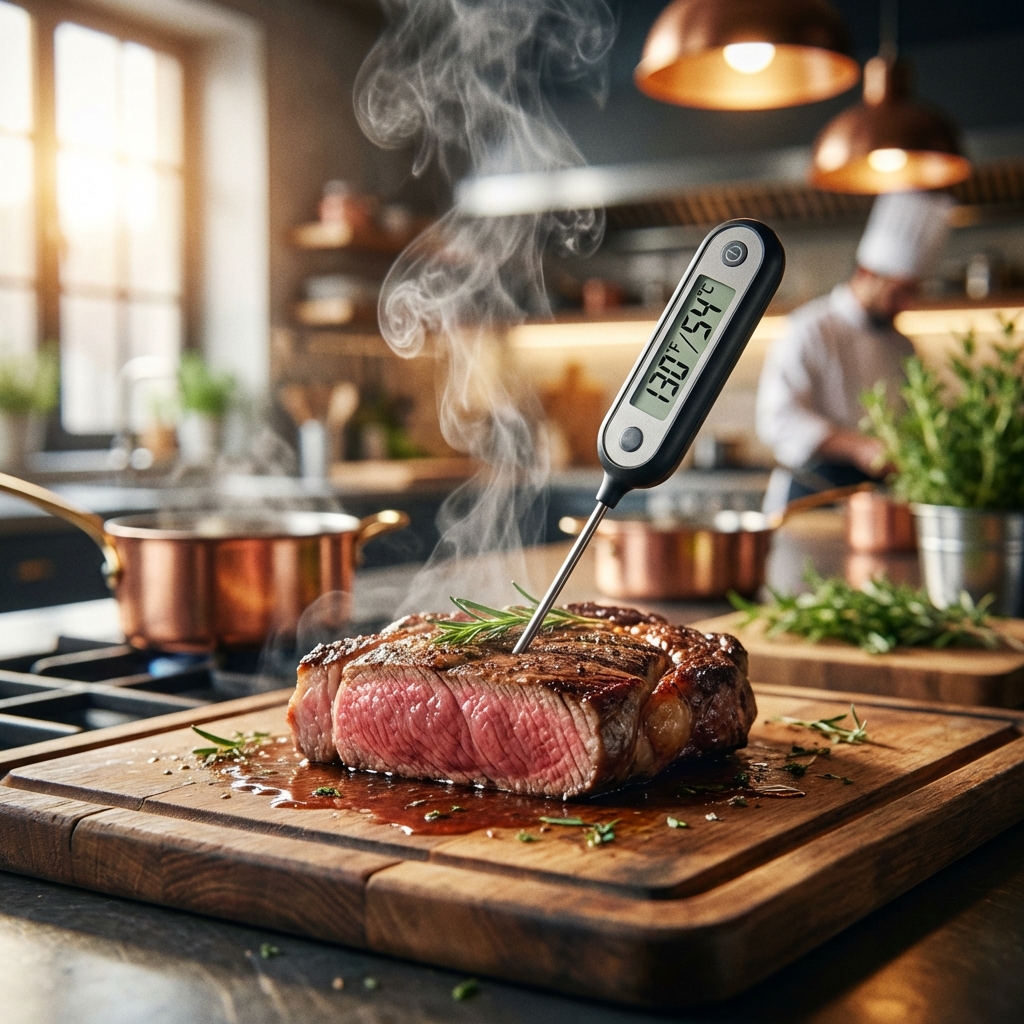
When Is Meat Done? Internal Temperatures for Every Meat
At what temperature is meat done? Chicken 165°F, ground beef 160°F, pork and steak 145°F, fish 145°F. Pick your meat for doneness charts, pull temps, and resting times.
Quick-Reference Cooking Temperature Chart
All temperatures are internal temperatures measured at the thickest part of the food using a meat thermometer.
| Protein | Safe Minimum (USDA) | Chef's Target | Notes |
|---|---|---|---|
| Beef (all cuts) | 145°F (63°C) | 130°F (54°C) medium-rare | Full doneness chart |
| Beef Steak | 145°F (63°C) | 130°F (54°C) medium-rare | Rest 3 min |
| Ground Beef | 160°F (71°C) | 160°F | No pink for burgers |
| Prime Rib / Roast Beef | 145°F (63°C) | 130°F (54°C) | Reverse sear |
| Chicken Breast | 165°F (74°C) | 160°F (71°C) + rest | Carry-over finishes it |
| Chicken Thigh / Leg | 165°F (74°C) | 175°F (79°C) | Fat needs higher temp |
| Whole Chicken | 165°F (74°C) | 165°F, breast / 175°F, thigh | Probe both zones |
| Pork Chops / Loin | 145°F (63°C) | 145°F (63°C) | Pink is safe since 2011 |
| Ground Pork | 160°F (71°C) | 160°F | No exceptions |
| Pulled Pork / Shoulder | 145°F (63°C) | 195–205°F (91–96°C) | Collagen breaks down |
| Lamb Chops / Rack | 145°F (63°C) | 130°F (54°C) | Pink preferred |
| Fish (Salmon, Cod) | 145°F (63°C) | 125°F (52°C) | Flakes at 125°F |
| Shrimp / Prawns | 145°F (63°C) | 120°F (49°C) | C-shape = done |
| Scallops | 145°F (63°C) | 130°F (54°C) | Opaque to center |
| Duck | 165°F (74°C) | 135°F (57°C) breast | Legs go longer |
| Brisket | 145°F (63°C) | 200°F (93°C) | Probe should slide in |
| Ribs (Pork / Beef) | 145°F (63°C) | 200°F (93°C) | Bend test |
| Turkey | 165°F (74°C) | 160°F breast + carry-over | Pull early |
Key rule: Poultry and ground meat always go to their minimum safe temperature. Whole muscle beef, pork, and lamb can be served below USDA minimums (medium-rare) because surface bacteria are destroyed by searing.
Why Internal Temperature Beats Timing
Cooking times are estimates. Internal temperature is the truth. Factors that invalidate time-based cooking:
- Starting temperature — a cold steak from the fridge takes 40% longer than one brought to room temp
- Thickness variation — a 1.5" chop and a 0.75" chop have the same cook time on paper, but wildly different internal temps
- Oven calibration — most home ovens run 15–25°F off their stated temperature
- Altitude — at 5,000 ft, water boils at 202°F, oven conduction changes slightly
A digital instant-read thermometer eliminates all of these variables. See our guide to using a meat thermometer.
Most-Searched Temperature Charts
- Beef internal temperature chart (°C & °F) — every doneness level for every cut
- Steak temperature chart — pull temps from rare to well done
- Chicken internal temperature — the 165°F rule and when to pull early
- Pork internal temperature — why pink pork is safe since 2011
- Lamb temperature chart — chops, rack, and leg doneness
- Fish internal temperature — USDA 145°F vs. the chef's 125°F
- Ham internal temperature — fresh vs. pre-cooked rules
- Full USDA safe cooking chart — every meat on one page
For technique, start with how to use a meat thermometer and carryover cooking — the two skills that make every chart on this site work.
All Cooking Guides
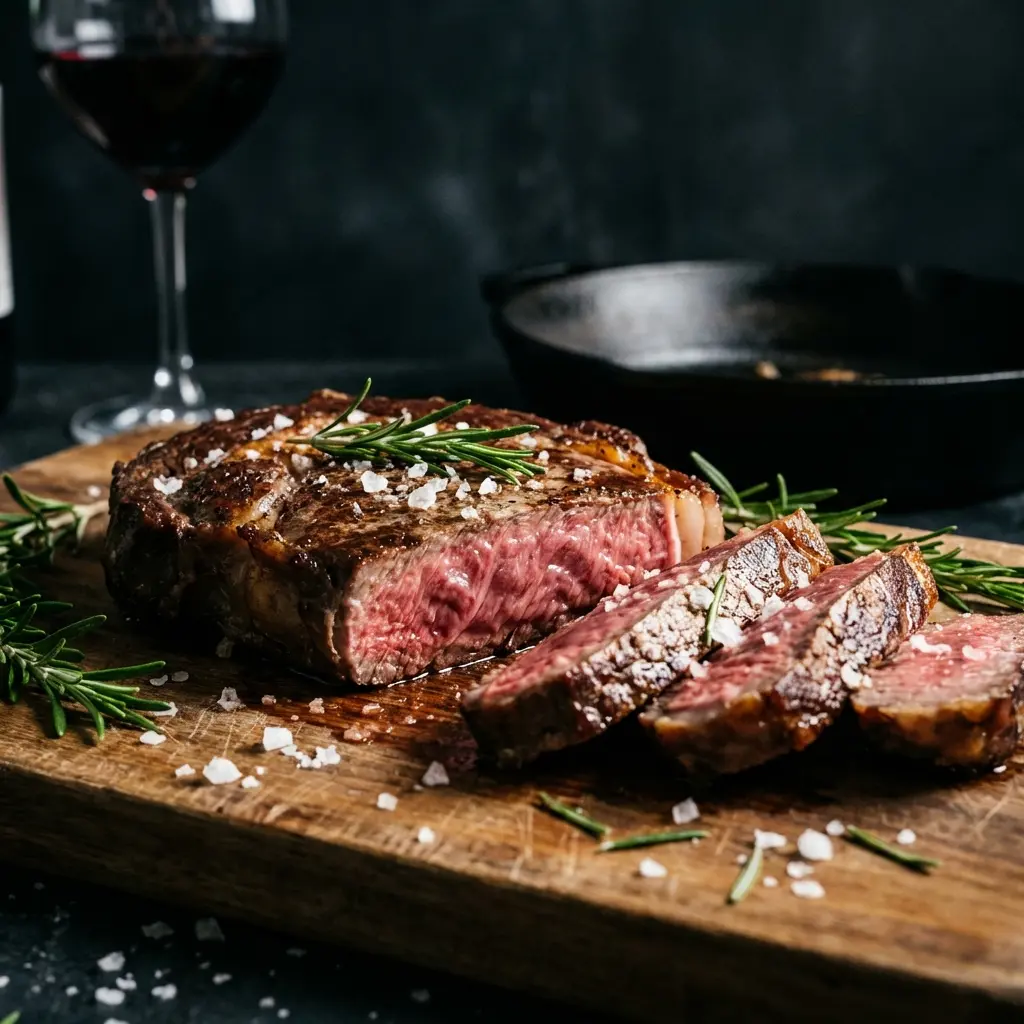
Beef Internal Temperature Chart (°C & °F): Safe Temps for Every Cut & Doneness
Beef is safe at 145°F63°C for whole cuts and 160°F71°C for ground beef. Full internal temperature chart in Celsius and Fahrenheit — rare to well done, for steak, roasts, ground beef, and brisket.
Read guide
Air Fryer Chicken Temp & Times by Cut (165°F74°C)
Air fryer chicken must hit 165°F74°C internal. Breasts: 375°F191°C for 15–18 min. Thighs: 380°F193°C for 22–25 min. Exact times and temps for every cut, plus how to check doneness without cutting it open.
Read guide
Air Fryer Salmon Temperature: 125–145°F52–63°C Guide (Time & Thickness Chart)
Air fryer salmon is done at 125°F52°C for medium or 145°F63°C for well done (USDA safe). Cook at 400°F204°C for 7–12 minutes depending on thickness. Includes skinless and skin-on methods.
Read guide
Air Fryer Steak Temperature: Doneness Chart & Perfect Crust Guide
Cook a perfect air fryer steak by pulling it 5°F-15°C below your target: 125°F52°C for rare, 135°F57°C for medium-rare, 145°F63°C for medium. Finish with a hot pan sear for crust. Full doneness chart and FAQs.
Read guide
BBQ Chicken Temperature: 165°F74°C Internal — Grill Times & Doneness Guide
BBQ chicken must reach 165°F74°C internal temperature for safety. Bone-in thighs take 35–45 min, boneless breasts 20–25 min at 375°F191°C grill temp. Full guide with zones, resting, and sauce timing.
Read guide
BBQ Ribs Temperature: 195–203°F91–95°C Done — Grill & Smoker Guide
BBQ ribs are done at 195–203°F91–95°C internal temperature. On a charcoal grill, use the 3-2-1 method at 225°F107°C. Learn the bend test, sauce timing, and why ribs need to go well above the USDA minimum.
Read guide
BBQ Steak Temperature: Doneness Guide for Grilling (Rare to Well Done)
BBQ steak doneness by internal temperature: 125°F52°C rare, 135°F57°C medium-rare, 145°F63°C medium. Grill at 450–500°F232–260°C for 4–6 minutes per side for a 1-inch steak. Reverse sear method explained.
Read guide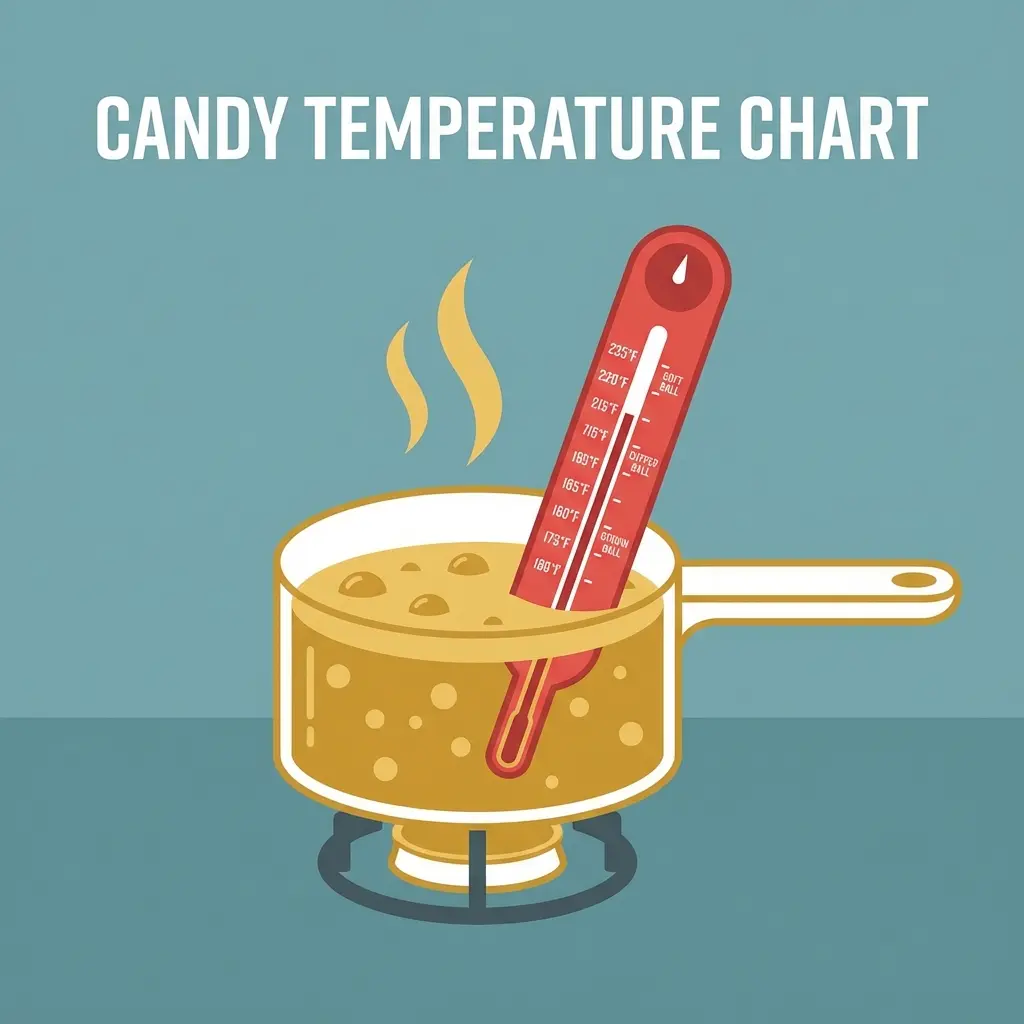
Candy Temperature Chart: Syrup Stages & Altitude
From Thread to Hard Crack. A complete guide to sugar syrup stages for making fudge, caramels, and lollipops.
Read guide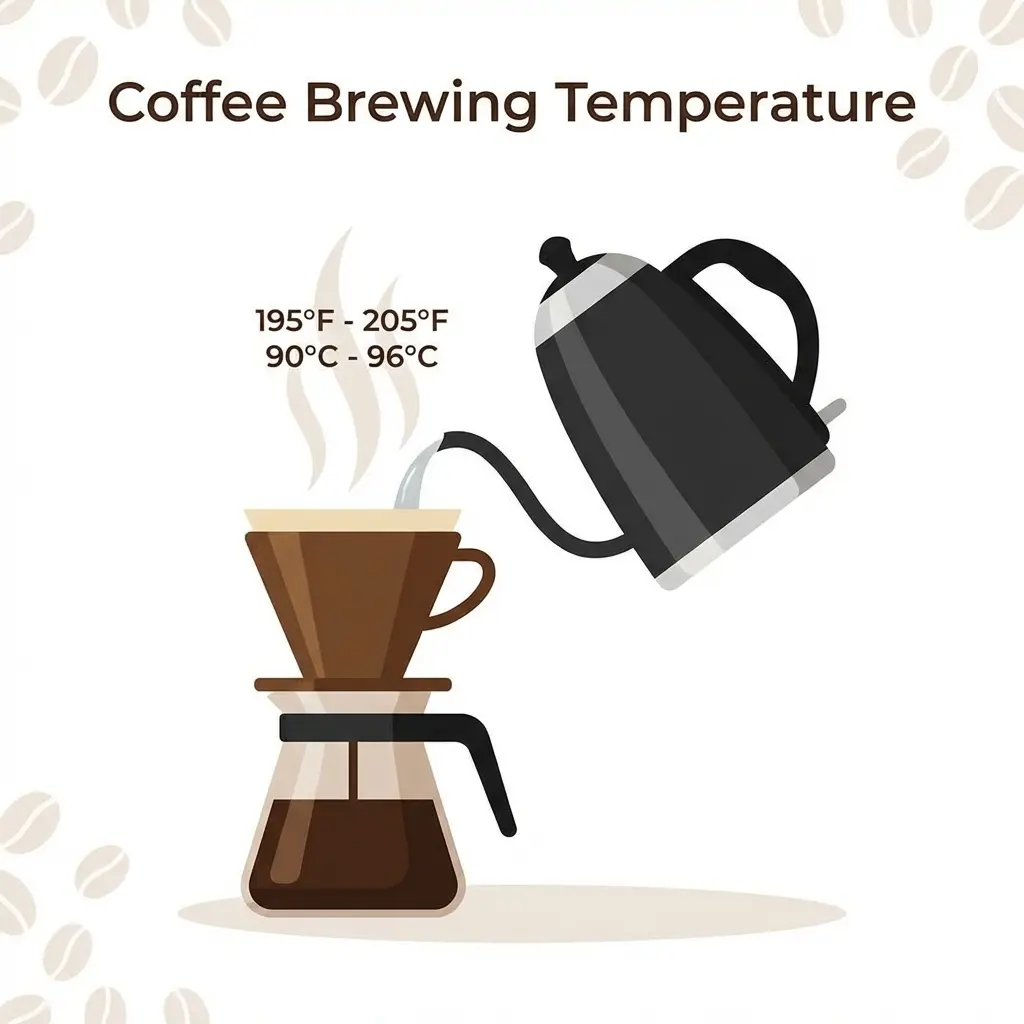
Coffee Brewing Temperature: 195–205°F91–96°C for Perfect Extraction (All Methods)
The SCA gold standard for coffee brewing water temperature is 195–205°F91–96°C. Too hot burns beans; too cool under-extracts. Method-specific guide: pour over, French press, espresso, cold brew temperatures and why they differ.
Read guide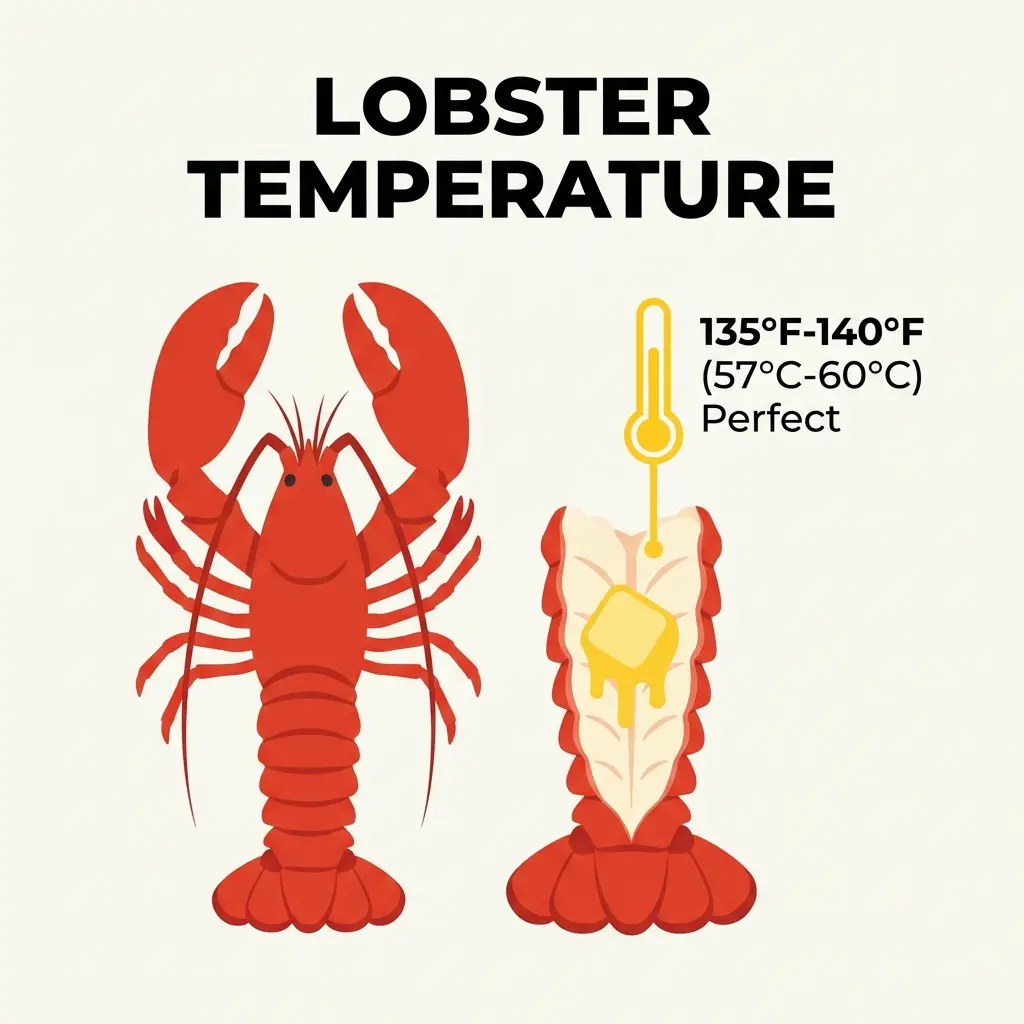
Lobster Temperature: 140°F60°C Internal for Safe, Tender Lobster
Lobster is safely cooked at 140°F60°C internal temperature. Whole lobster takes 9–12 minutes in boiling water; tails 5–8 minutes. Shell turns bright red and flesh turns opaque white when done. Full guide with times, methods, and doneness tests.
Read guide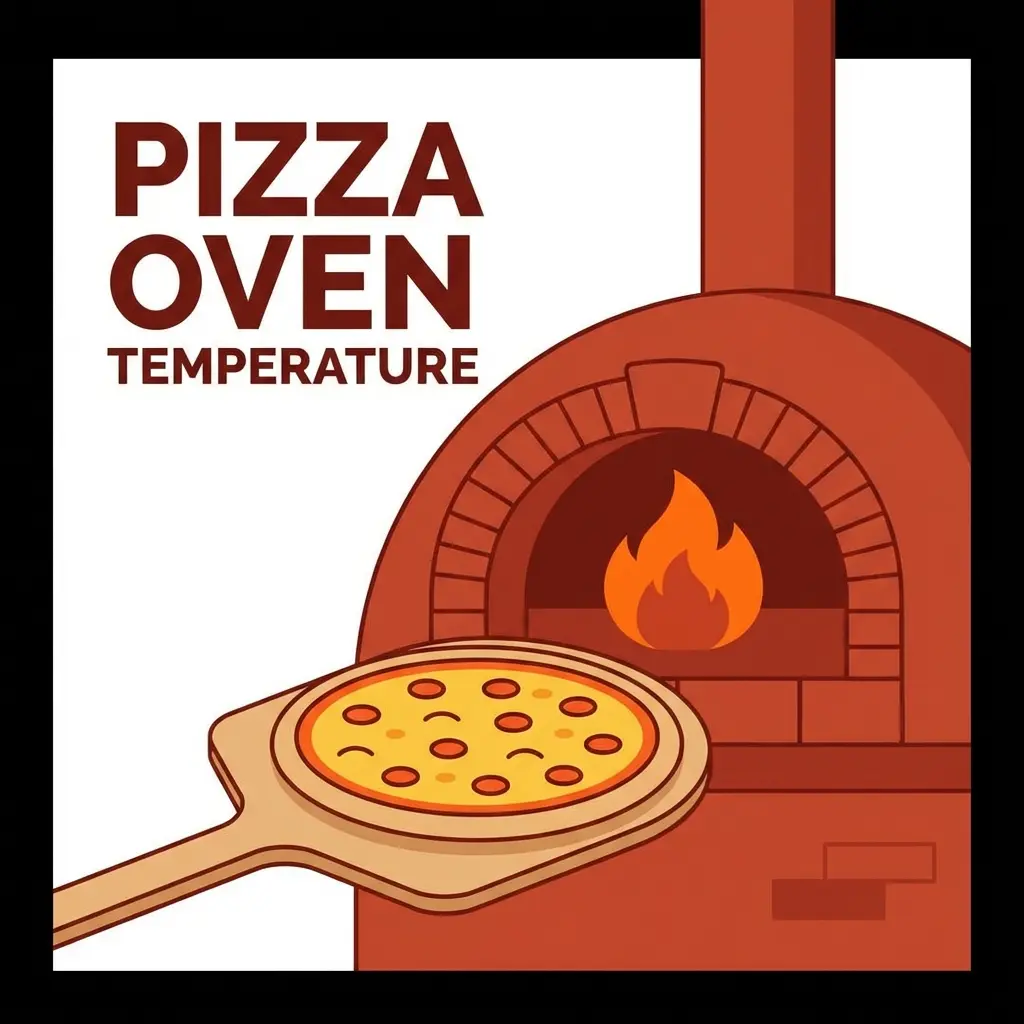
Pizza Oven Temperature: Neapolitan (900°F482°C) vs. NY Style (550°F288°C) Complete Guide
Neapolitan pizza requires 900°F482°C floor temperature for a 90-second bake. New York style bakes at 500–550°F260–288°C for 5–6 minutes. Learn how to hack a home oven with a pizza steel, the broiler method, and how to check floor temperature with an infrared thermometer.
Read guide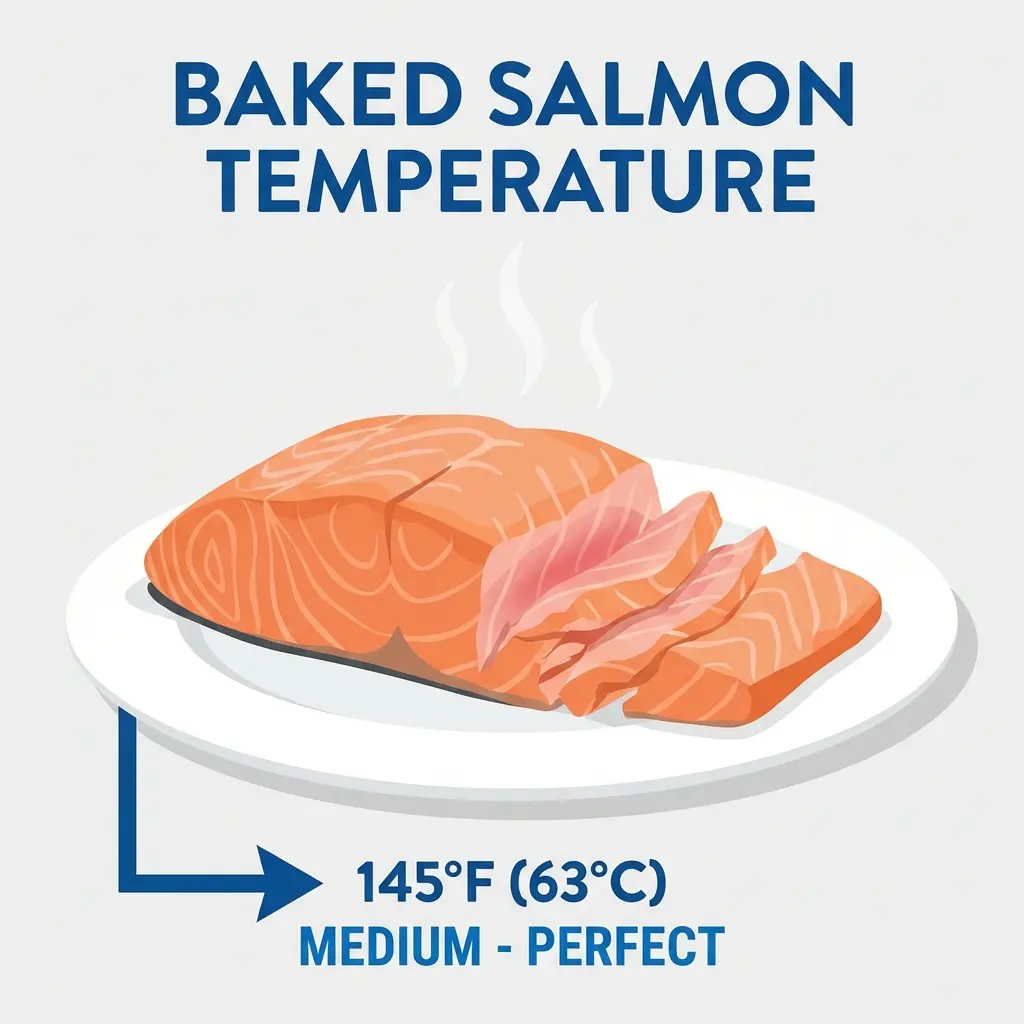
Baked Salmon Temperature: Oven Temp & Doneness Guide
Stop drying out your fish! Learn why 125°F52°C is the chefs' choice for salmon and the best oven temp (400°F204°C) for moist, flaky results.
Read guide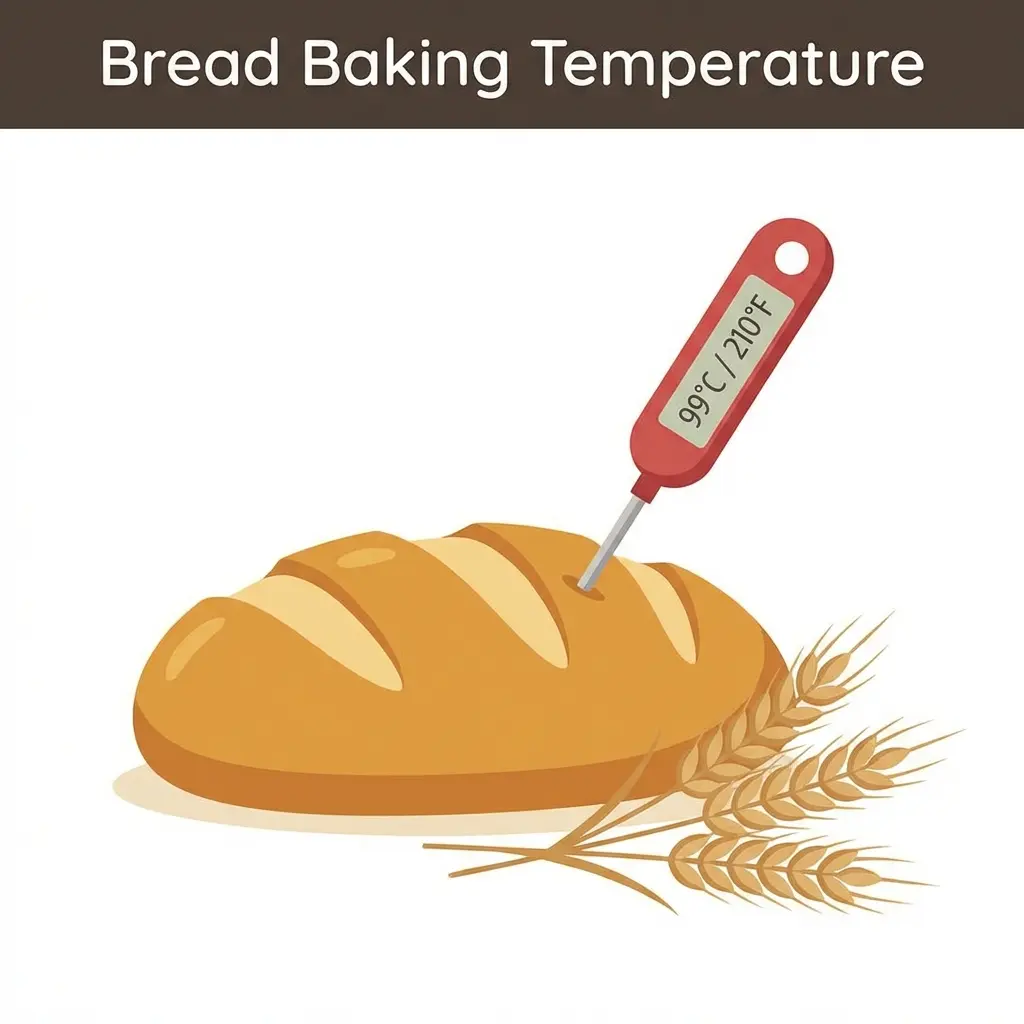
Bread Baking Temperatures: Yeast, Oven & Doneness
Why is my bread doughy? Learn the internal temp of done bread (190°F88°C–210°F99°C), ideal water temp for yeast, and oven settings.
Read guide
Crab Temperature Guide: Steaming & Reheating
Most crab legs are sold pre-cooked. Learn how to reheat them to 145°F63°C without drying them out, and how to cook live crab safely.
Read guide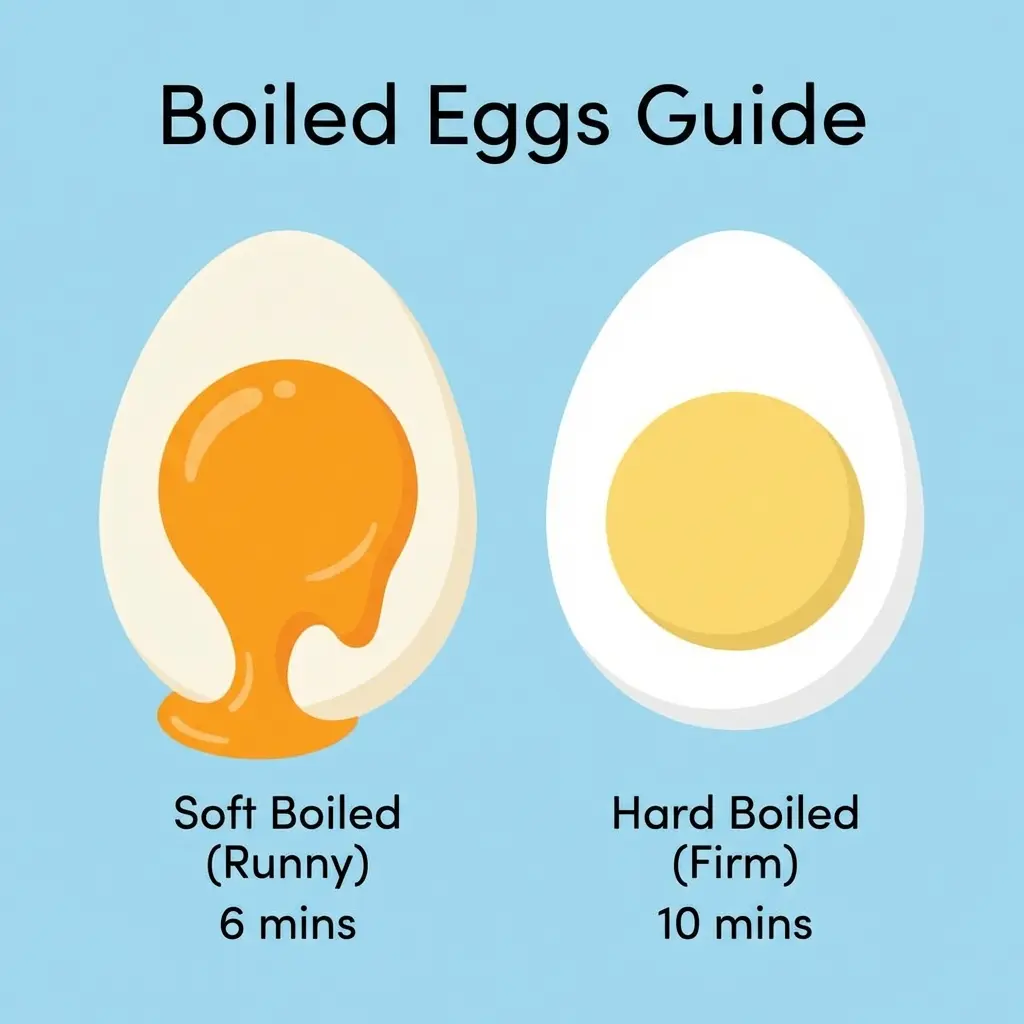
Boiled Eggs Time & Temp: Soft, Jammy & Hard
The perfect boiled egg is a science. 6 minutes for soft, 7 for jammy, 10 for hard. Learn the 'Hot Start' method for easy peeling.
Read guide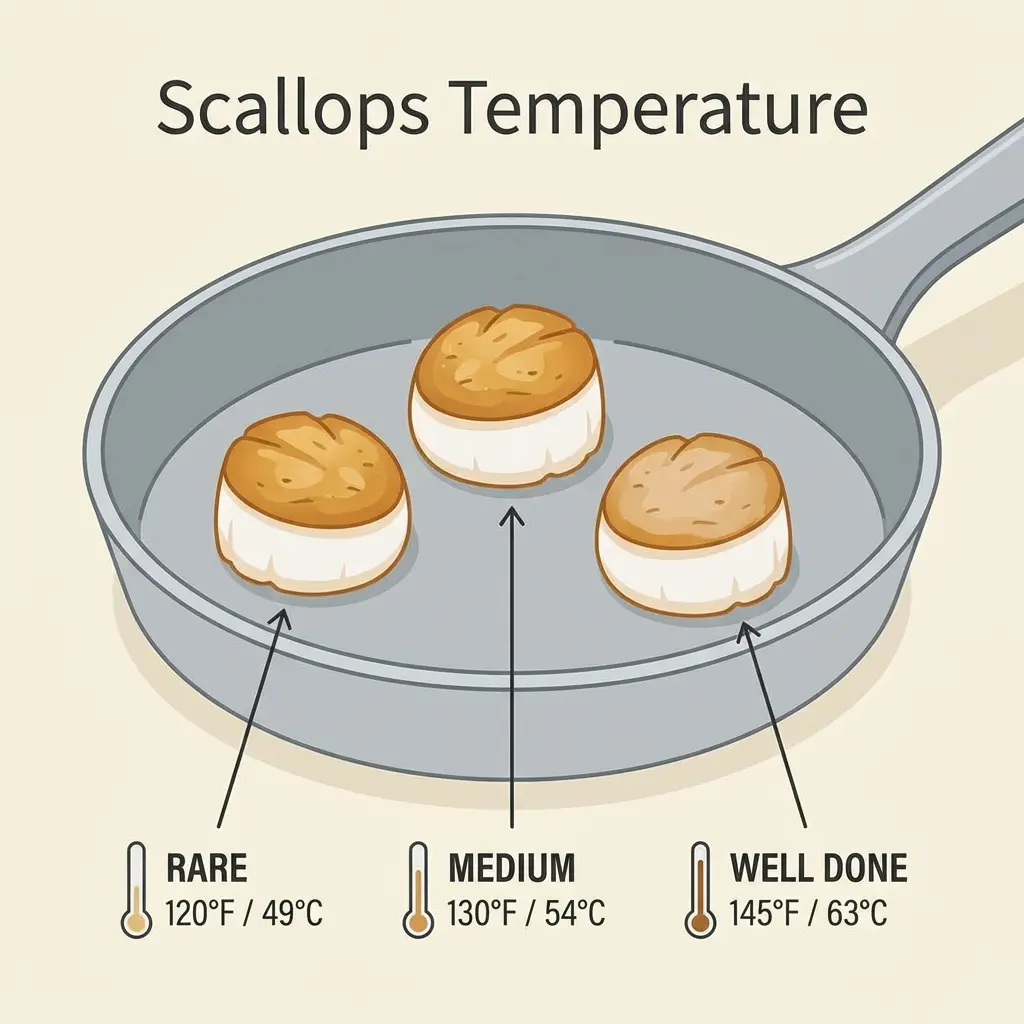
Scallops Temperature Guide: Seared to Perfection
Scallops are expensive and easy to ruin. Learn why you shouldn't rely on a thermometer and how to spot the 'Milky White' cue for perfect doneness.
Read guide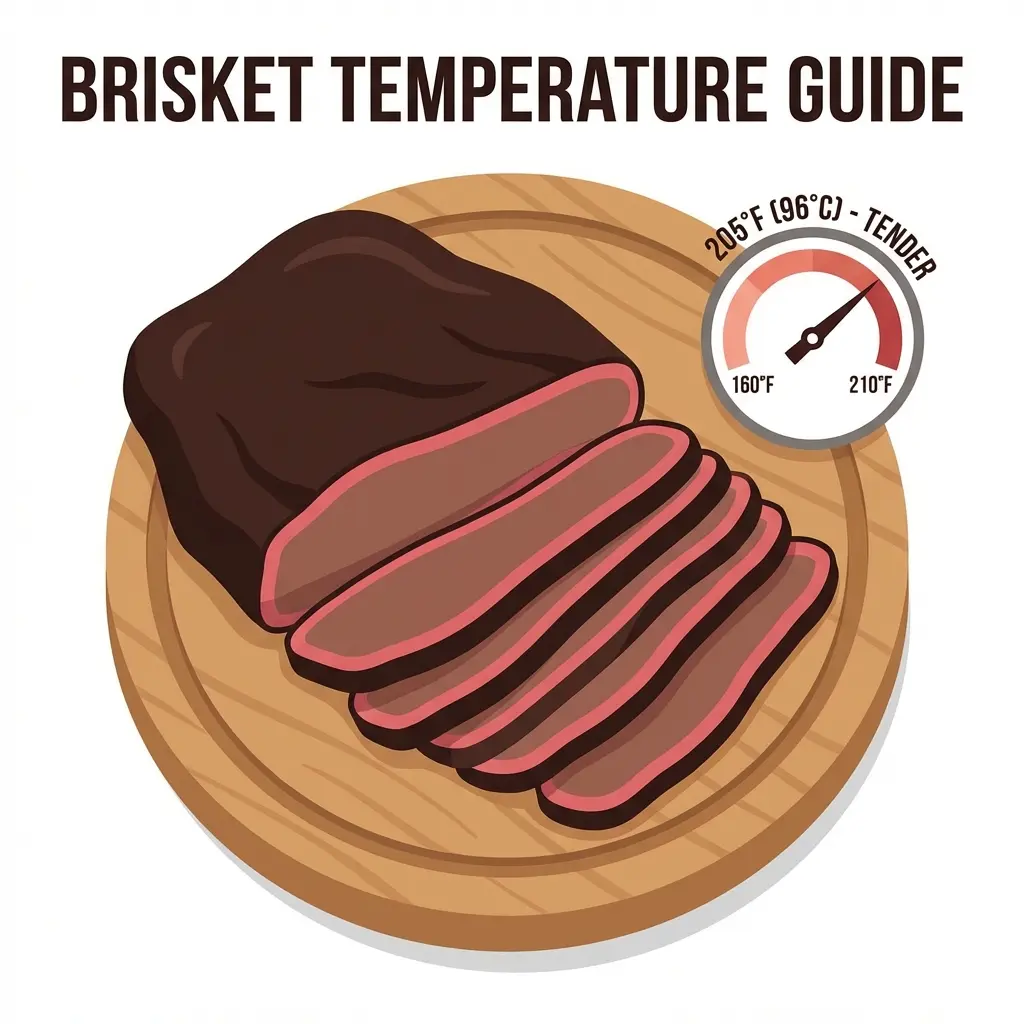
Brisket Temperature Guide: The Stall, The Wrap, & The Finish
Mastering brisket is all about temperature control. Learn how to navigate 'The Stall' at 160°F71°C and why 203°F95°C is the magic number for tenderness.
Read guide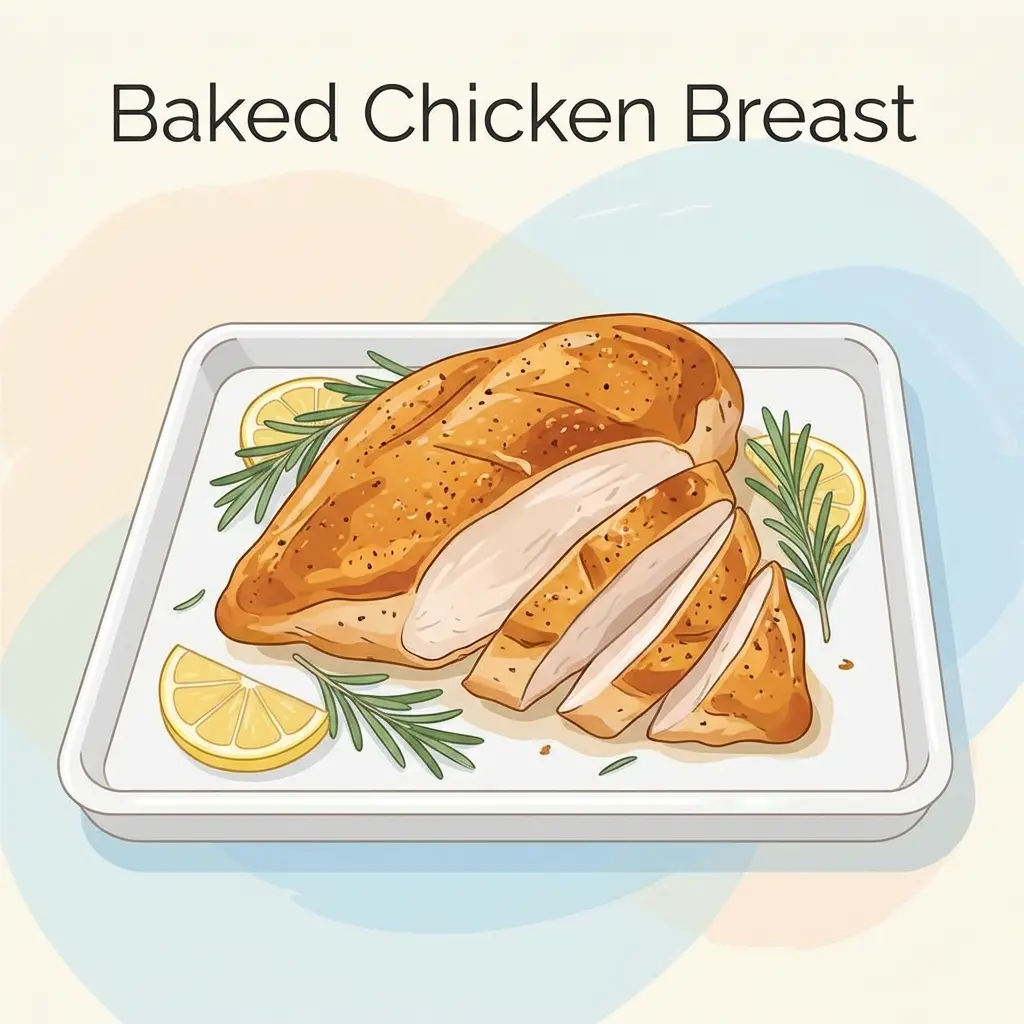
Baked Chicken Breast: Oven Temp + Doneness Guide
Stop eating dry chicken! The best oven temp for juicy baked chicken breast is 425°F218°C. Learn the times and temps for perfectly cooked poultry.
Read guide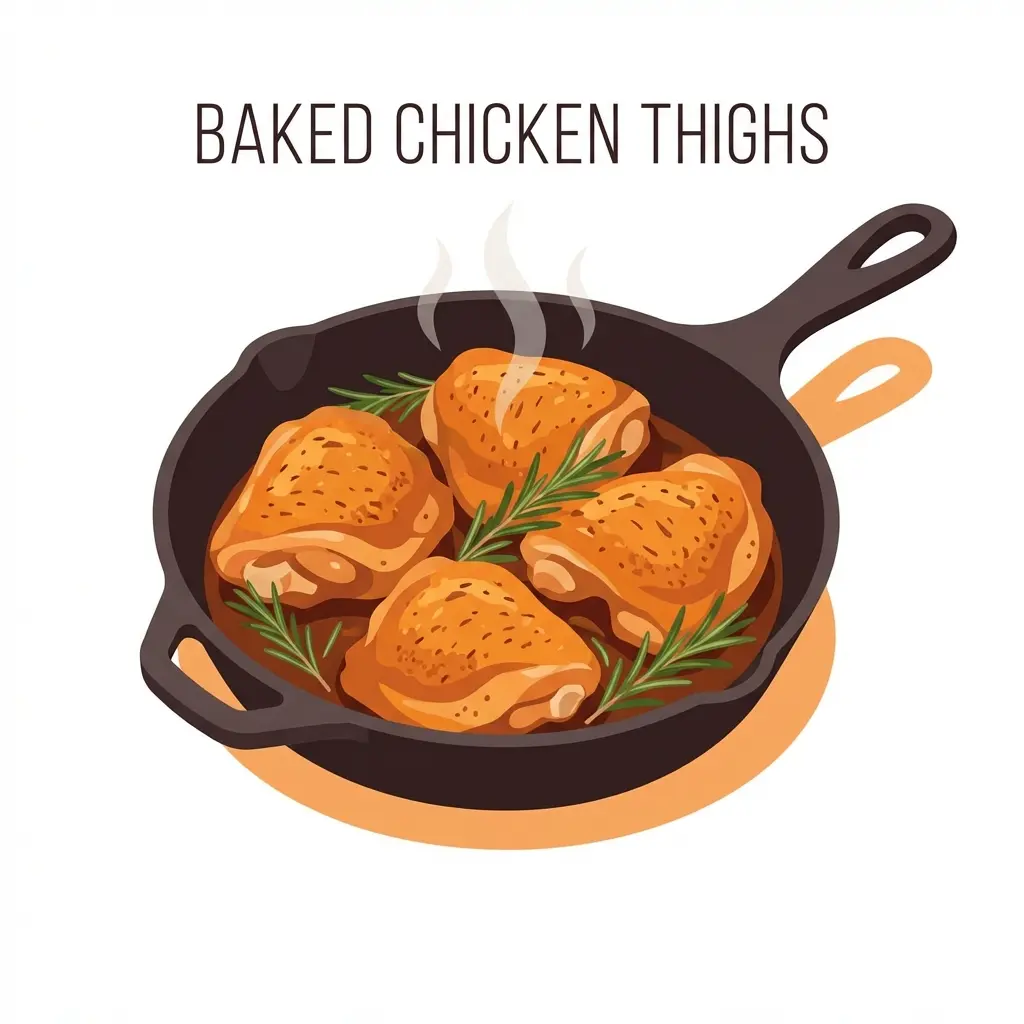
Baked Chicken Thighs: Crispy Skin & Tender Meat Guide
Chicken thighs are forgiving, but soggy skin is a crime. Learn the perfect temp (400°F204°C+) to render fat and get crispy skin while keeping the meat juicy.
Read guide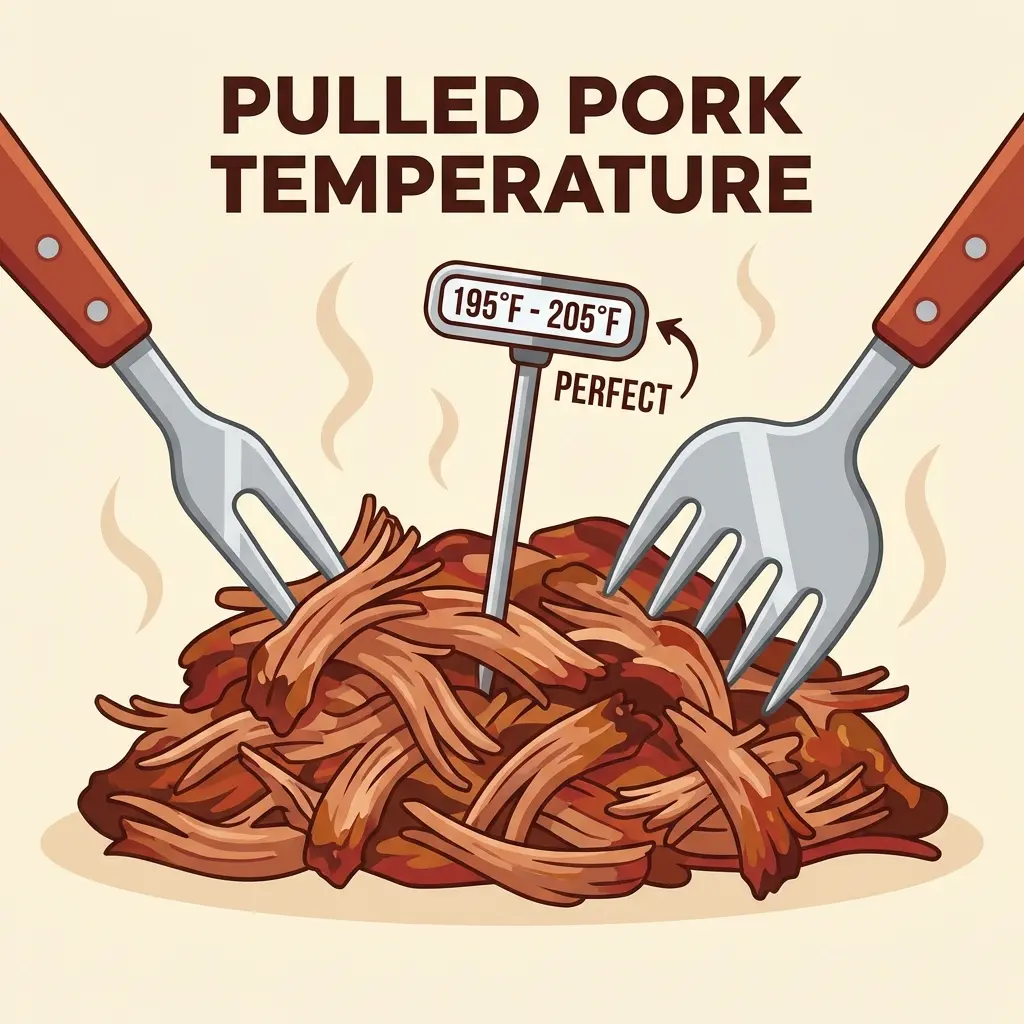
Pulled Pork Temperature: Done at 195–205°F91–96°C — Pork Butt & Shoulder Guide
Pulled pork is done at 195–205°F91–96°C internal temperature — the shredding point where collagen breaks down. Learn the stall, when to wrap, and the bone-pull test.
Read guide
Ribs Temperature Guide: Done at 195–203°F91–95°C — Bend Test & 3-2-1 Method
Pork ribs are done at 195–203°F91–95°C internal temperature. Learn the Bend Test and Toothpick Test for when you can't probe, plus the 3-2-1 method for perfect spare ribs.
Read guide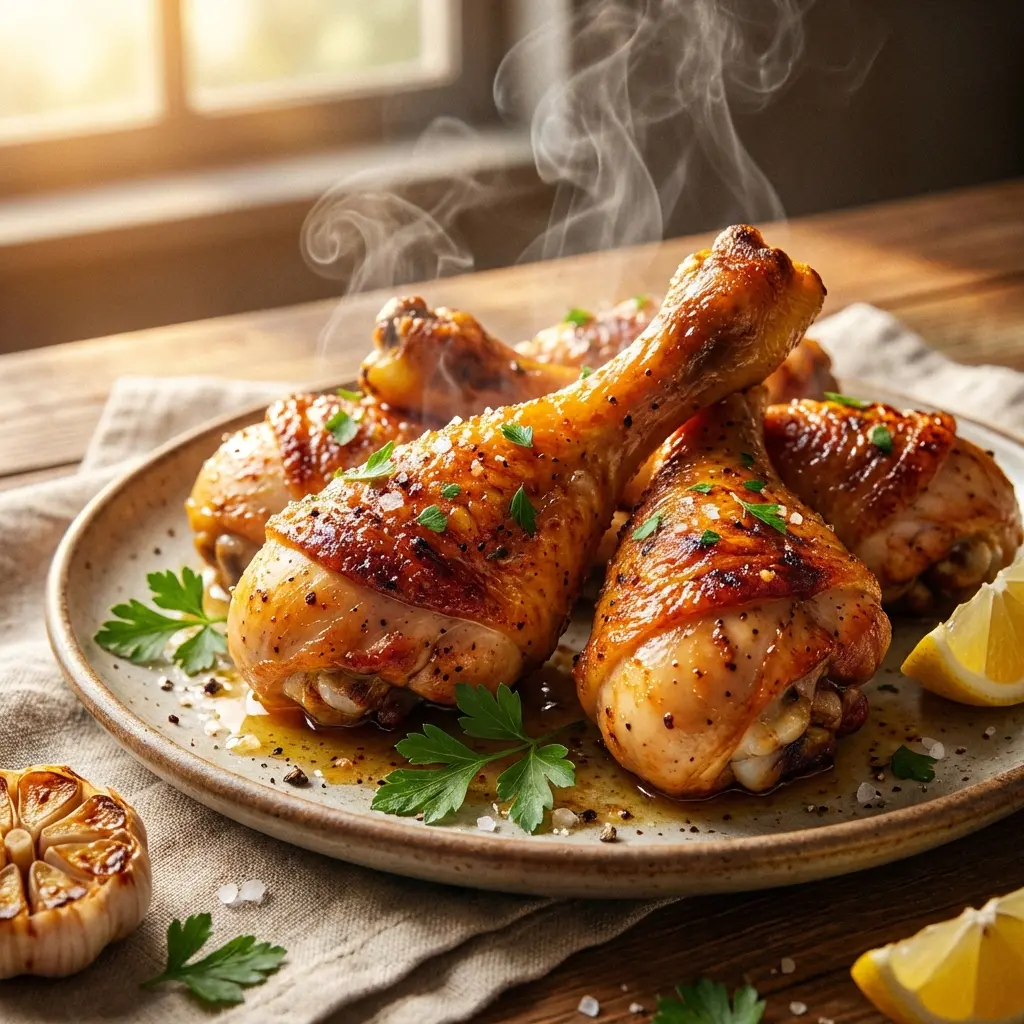
Chicken Leg Temperature Guide: Drumsticks Done Right
Why are my drumsticks bloody at the bone? Learn the best temp for chicken legs (hint: it's not 165°F74°C) and how to get crispy skin.
Read guide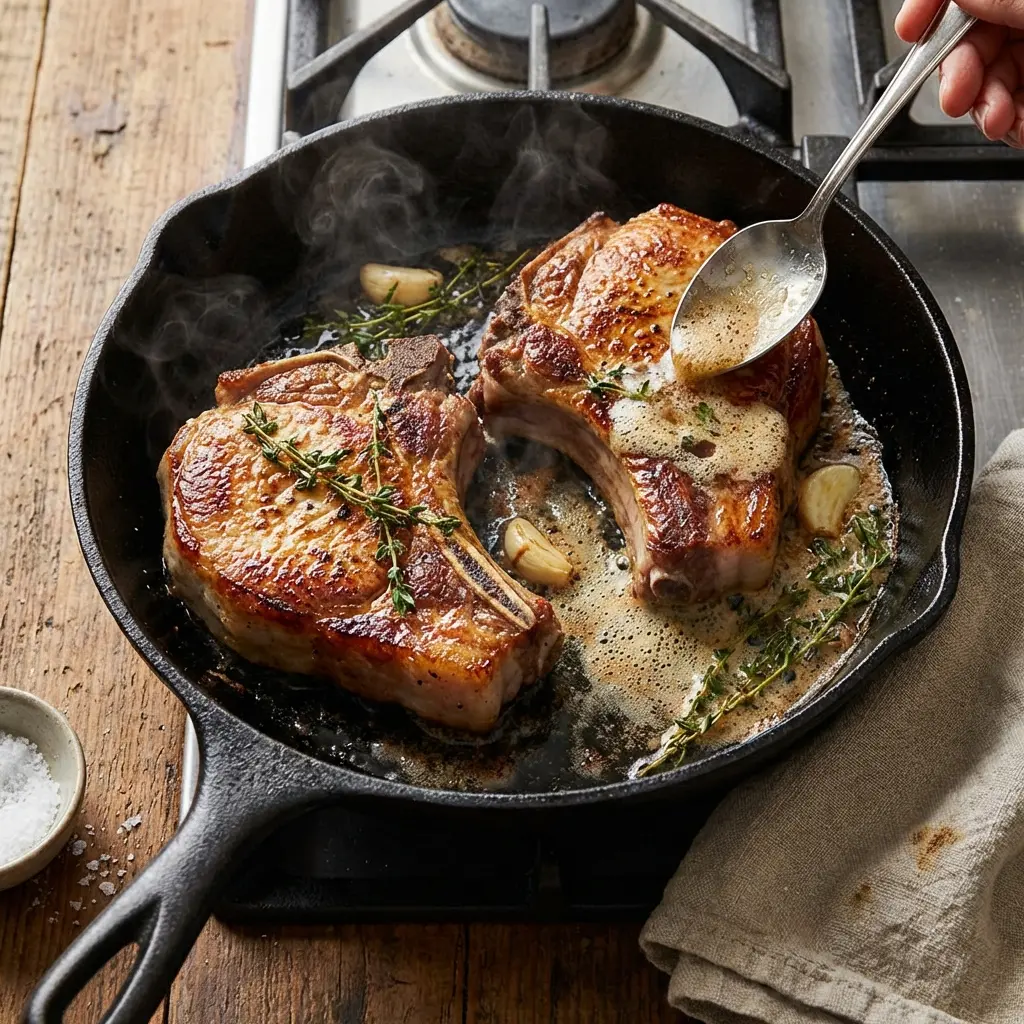
Can Pork Chops Be Pink? Yes — Internal Temp Guide (145°F63°C)
Yes, pink pork chops are safe. The USDA lowered the safe temp to 145°F63°C in 2011. Learn the new rules, why pink doesn’t mean raw, and how to cook juicy chops every time.
Read guide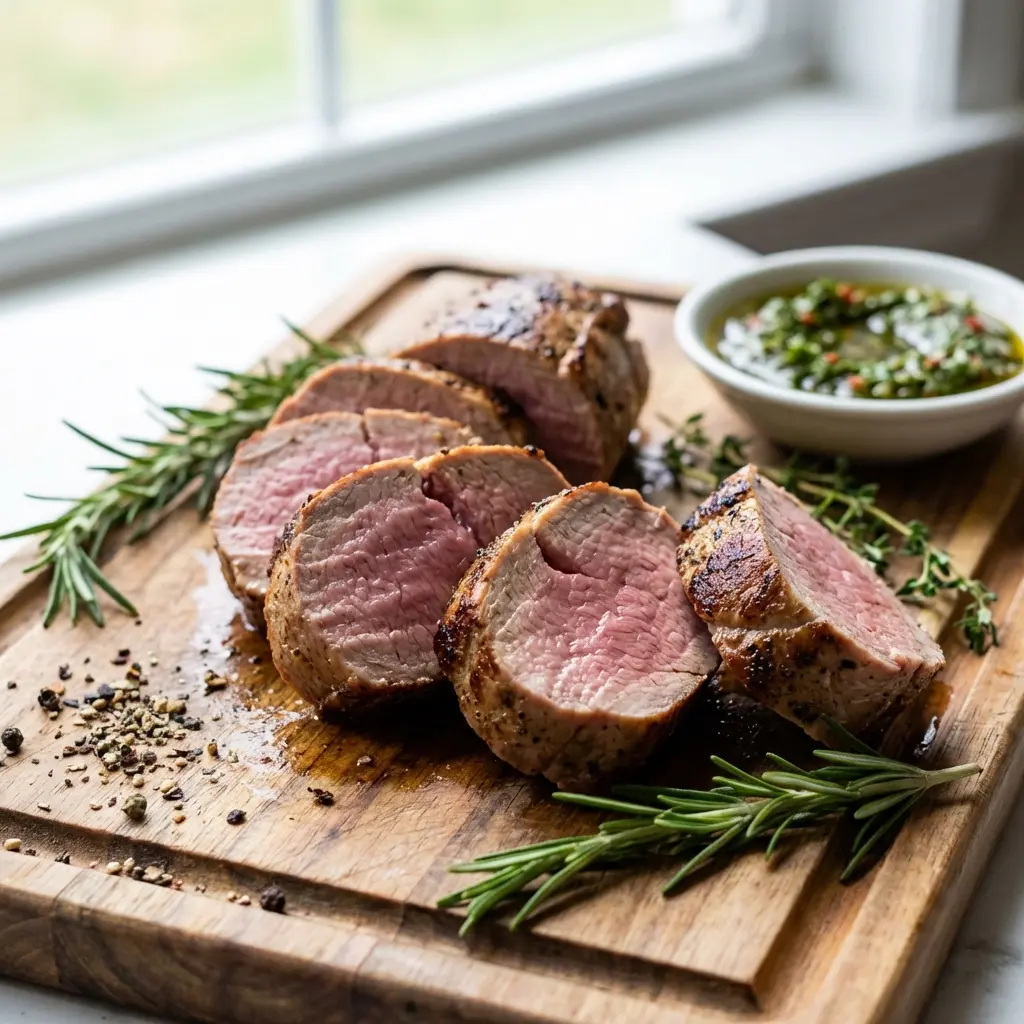
Pork Tenderloin Temperature: Pull at 140°F60°C, Rest to 145°F63°C (It's Not Pork Loin)
Pork tenderloin and pork loin are different cuts. Tenderloin is done at 145°F63°C — pull it at 140°F60°C and rest 5 minutes. Cook past 155°F68°C and it dries out instantly. Oven, pan-sear, and grill temps included.
Read guide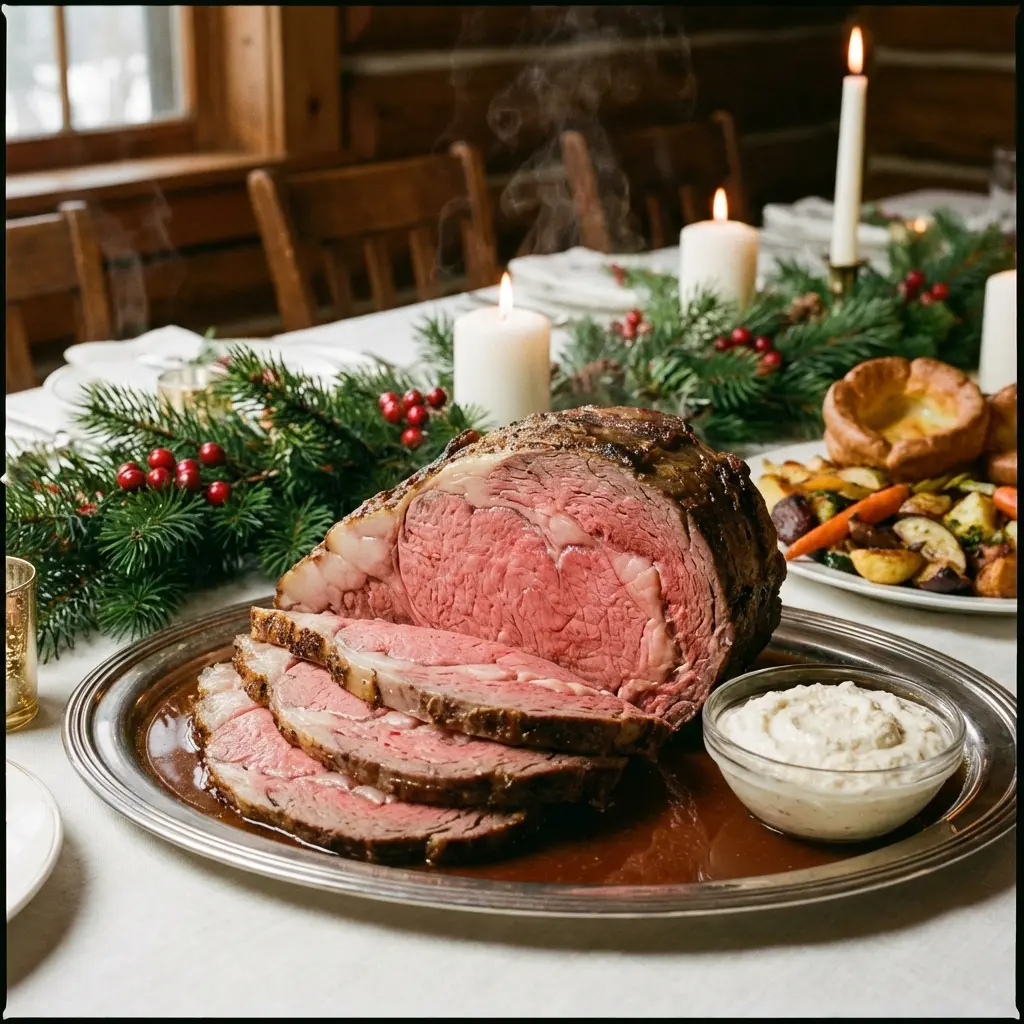
Prime Rib Temperature Chart: Doneness Guide & Reverse Sear Method
Exact pull temperatures for prime rib from rare to well done, with a full doneness chart, Reverse Sear technique, resting times, and thermometer placement guide.
Read guide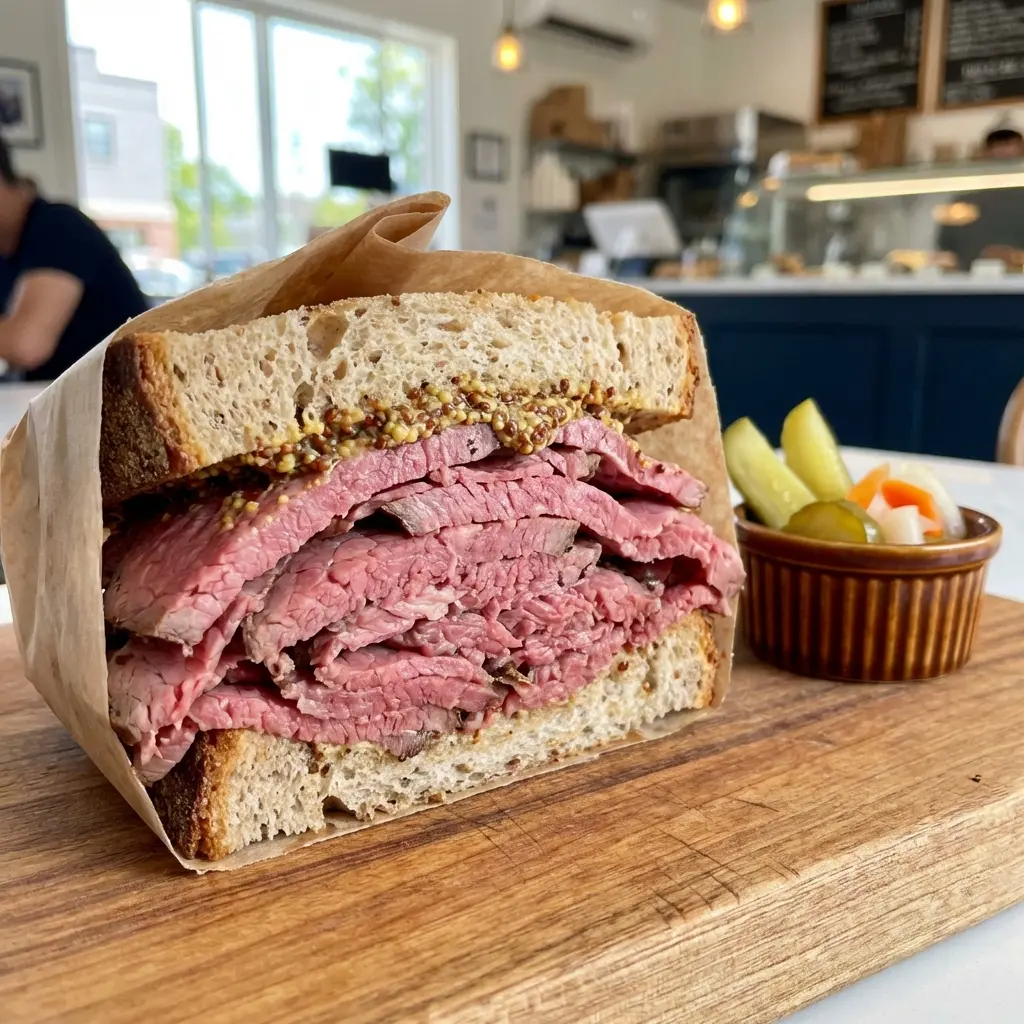
Beef Roast Time & Temperature Chart (by Cut & Pound)
Roast beef is medium-rare at 130–135°F54–57°C. Oven temps and minutes per pound for top round, sirloin tip, eye of round, chuck, and tenderloin — plus pull temps for every doneness.
Read guide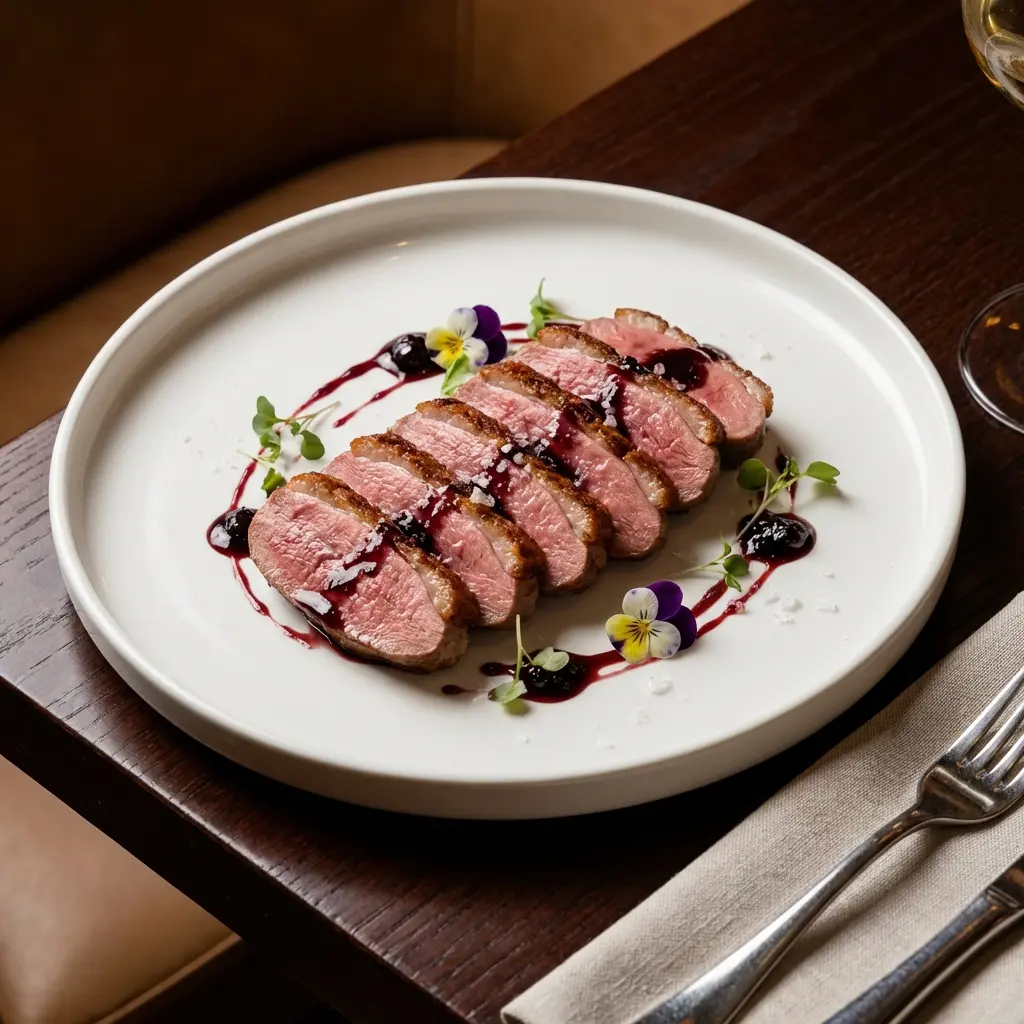
Duck Temperature: Breast at 135°F57°C (Safe Pink) — Legs at 165–180°F74–82°C
Duck breast is safe at 135°F57°C — unlike chicken, it can be served pink and medium-rare. Duck legs need 165–180°F74–82°C to break down fat and collagen. Full guide: how to render skin crispy and where to probe.
Read guide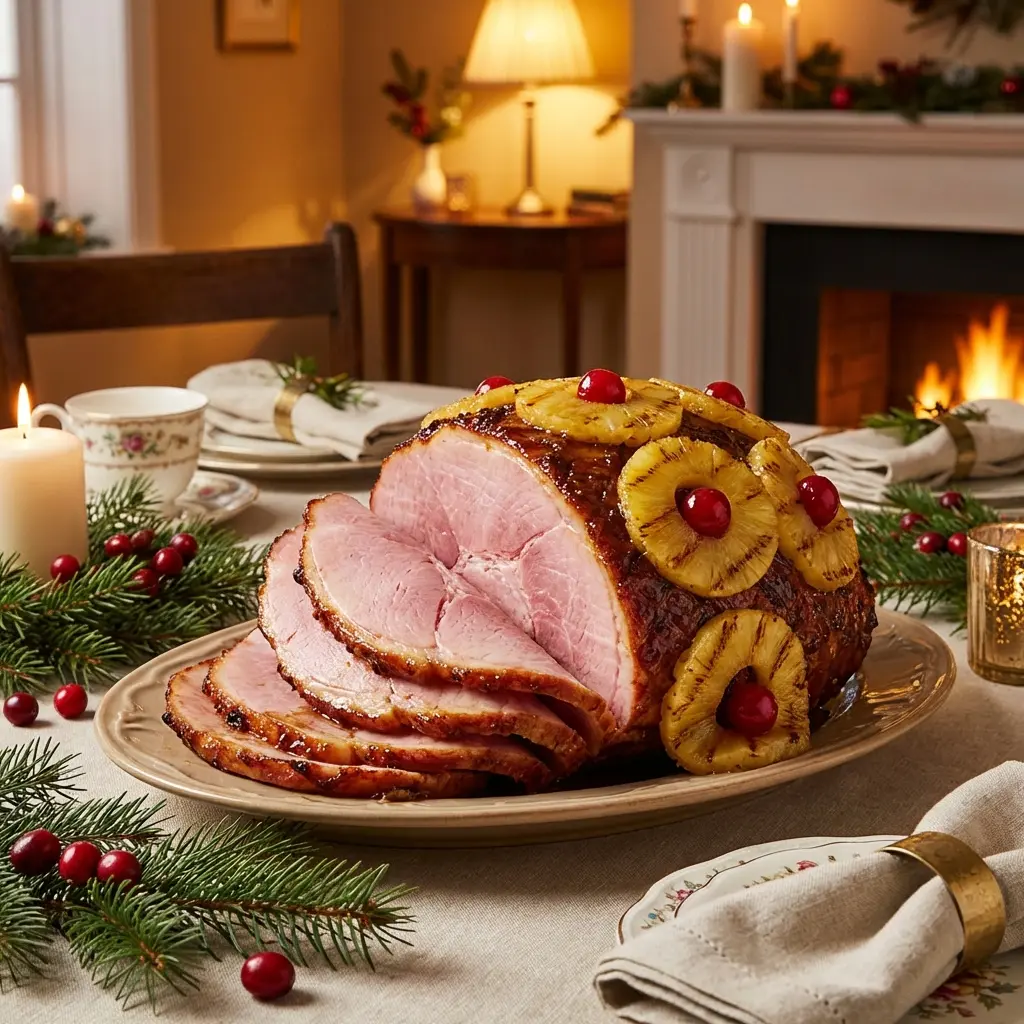
Ham Internal Temperature: 145°F63°C Fresh — 140°F60°C Pre-Cooked
95% of hams sold in stores are pre-cooked and just need reheating to 140°F60°C. Only fresh/raw ham needs to reach 145°F63°C. Full guide: city ham, country ham, spiral cut, smoked, and canned ham temperatures.
Read guide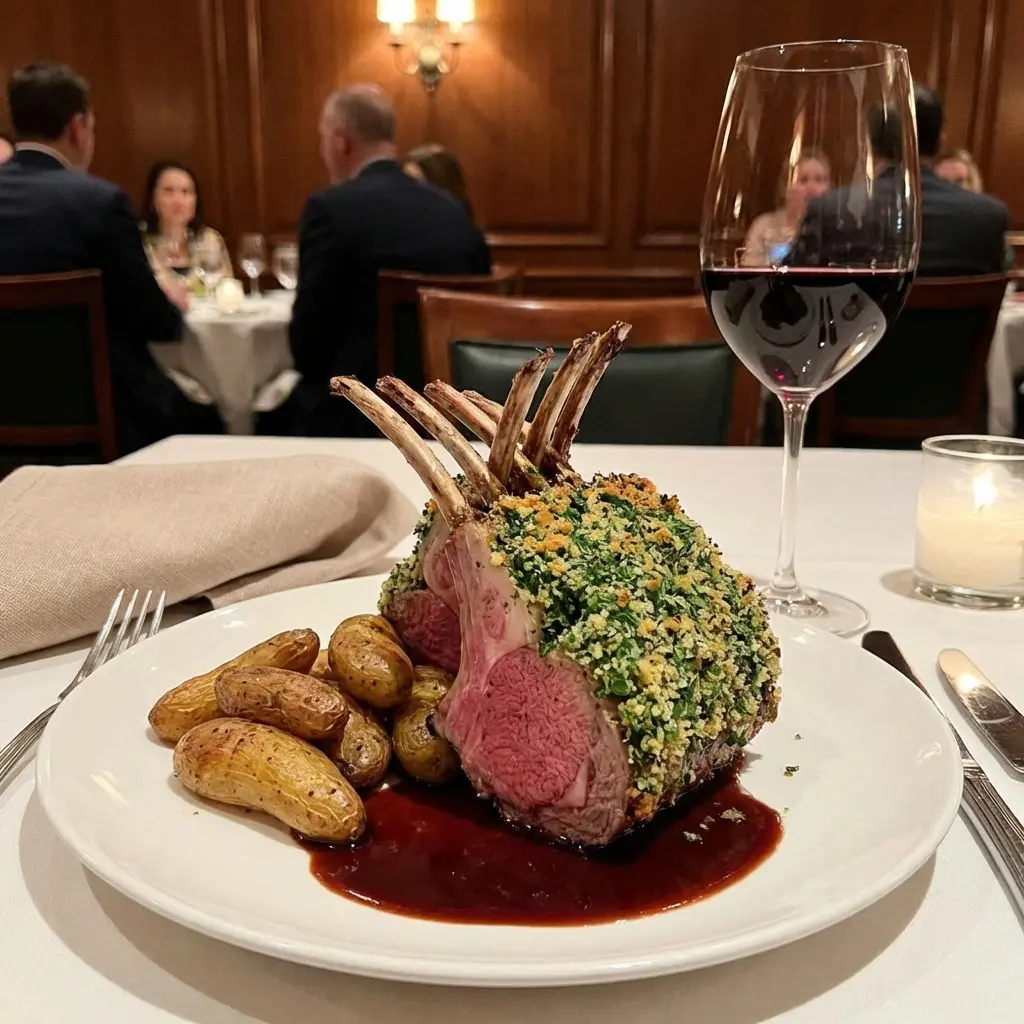
When Is Lamb Done? Internal Temp & Oven Temp by Cut
Lamb is done at 130–135°F54–57°C for medium-rare, 145°F63°C for USDA-safe medium. Doneness chart plus the best oven temperature and time for leg, rack, chops, shoulder, and shank.
Read guide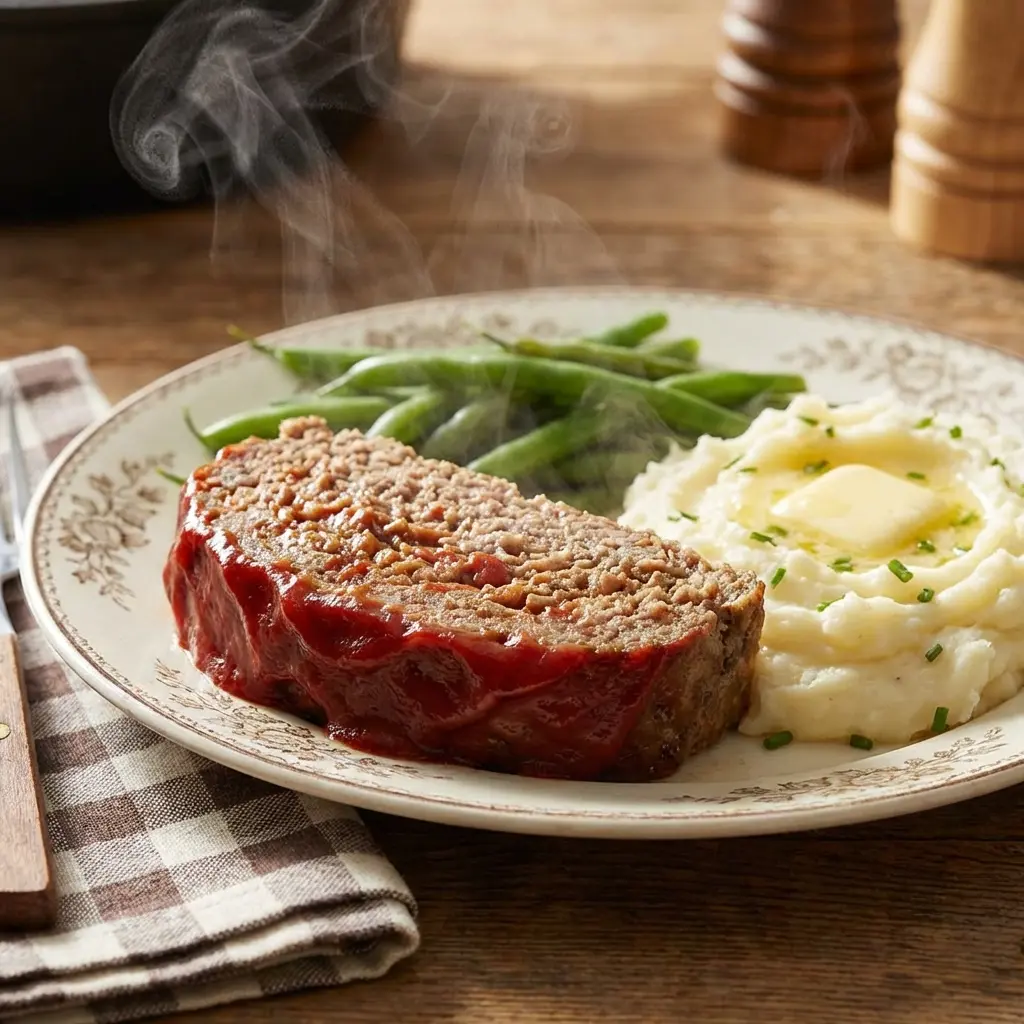
Meatloaf Temperature: 160°F71°C Internal — Why It Falls Apart (and How to Fix It)
Meatloaf must reach 160°F71°C internal temperature for safety. The reason it falls apart? Usually pulled too early at 150°F66°C or cut without resting. Learn oven temp, probe placement, and the 10-minute rest rule.
Read guide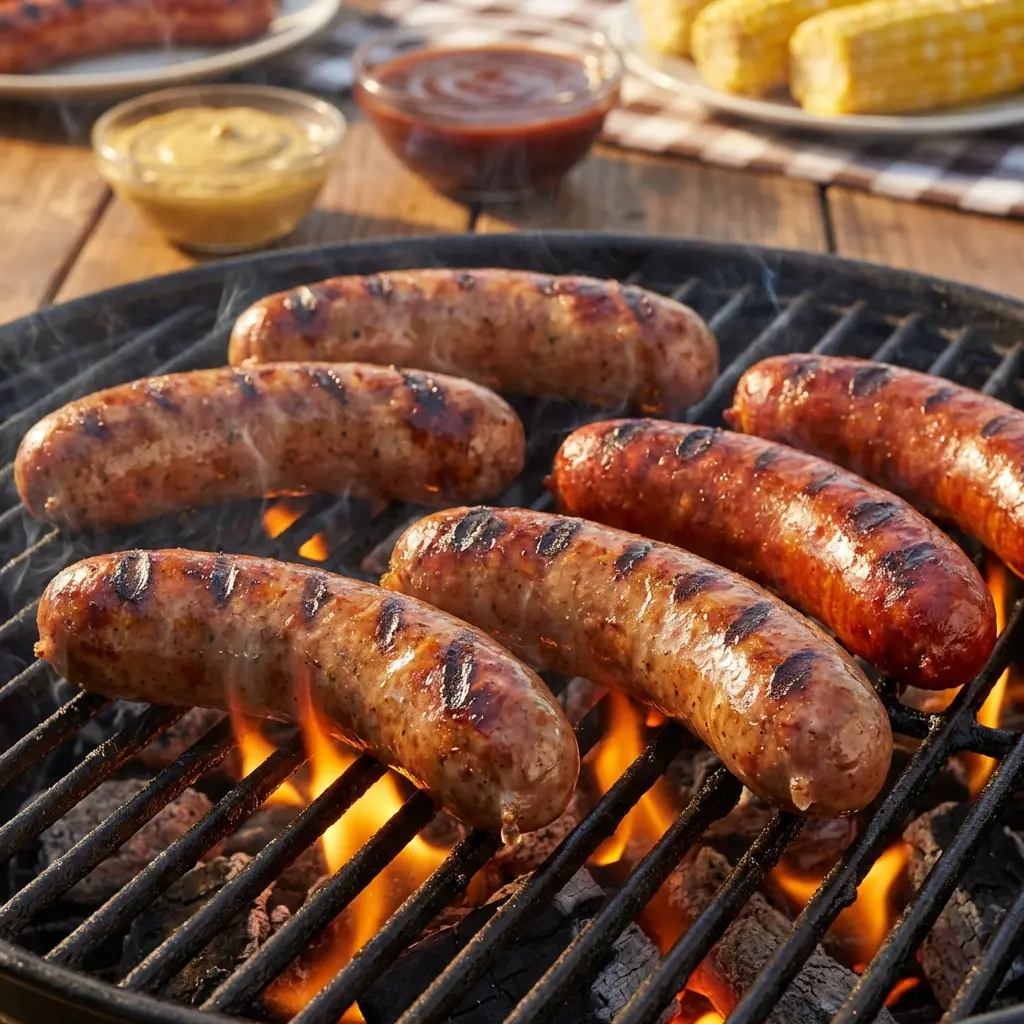
Sausage Temperature Guide: Grill, Pan & Oven
Burst casings and dry meat? Stop guessing. Cook sausages to exactly 160°F71°C for the perfect snap and safe eating.
Read guide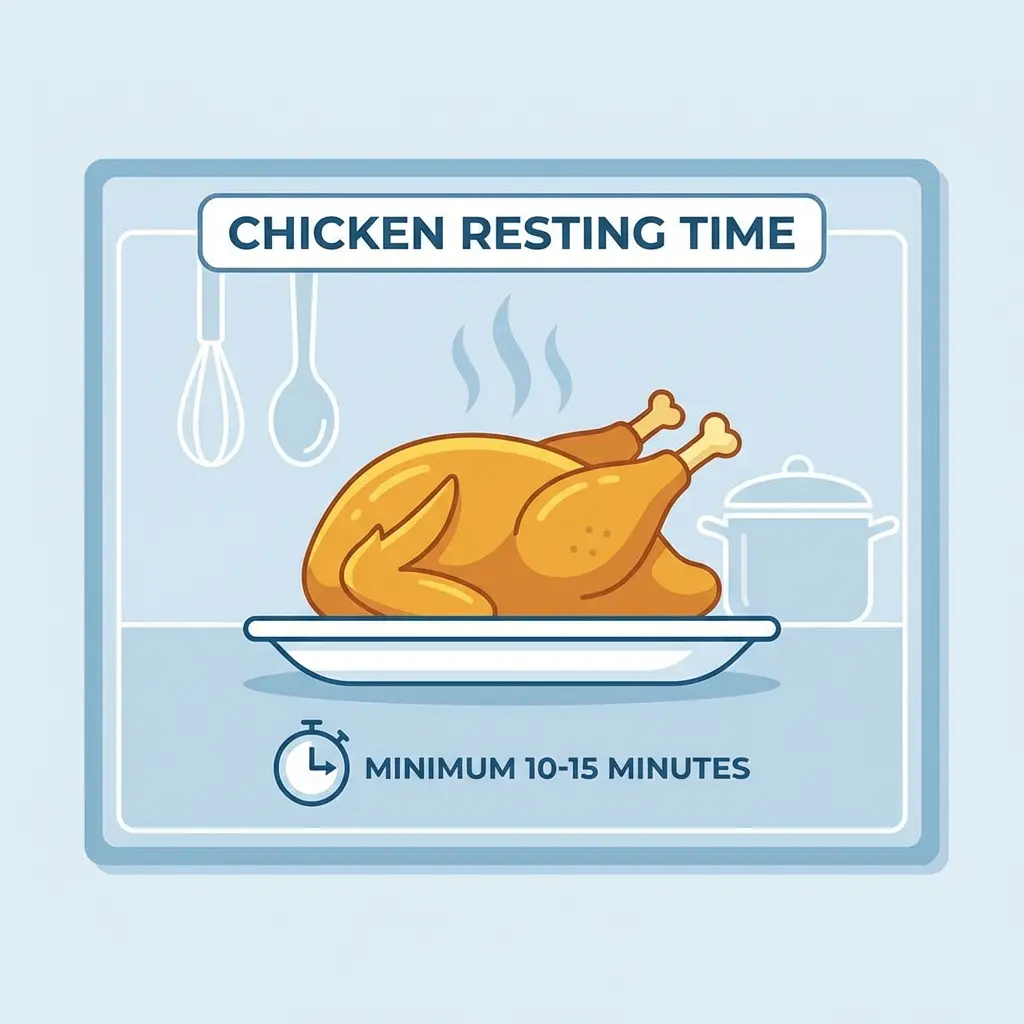
Chicken Resting Time: Why Chicken Needs 5–10 Minutes After Cooking
Chicken breasts need 5 minutes of rest after cooking; whole chicken needs 10–15 minutes. Resting prevents moisture loss, allows carryover cooking to finish, and ensures the juices don't run onto the cutting board. Guide by cut.
Read guide
Resting Meat Temperature: Why You Rest, How Long & By Cut
Rest all meat after cooking to let juices redistribute and carryover cooking complete. Steaks rest 5 minutes, whole chicken 10–15 minutes, large roasts 20–30 minutes, turkey up to 45 minutes. Complete guide by cut.
Read guide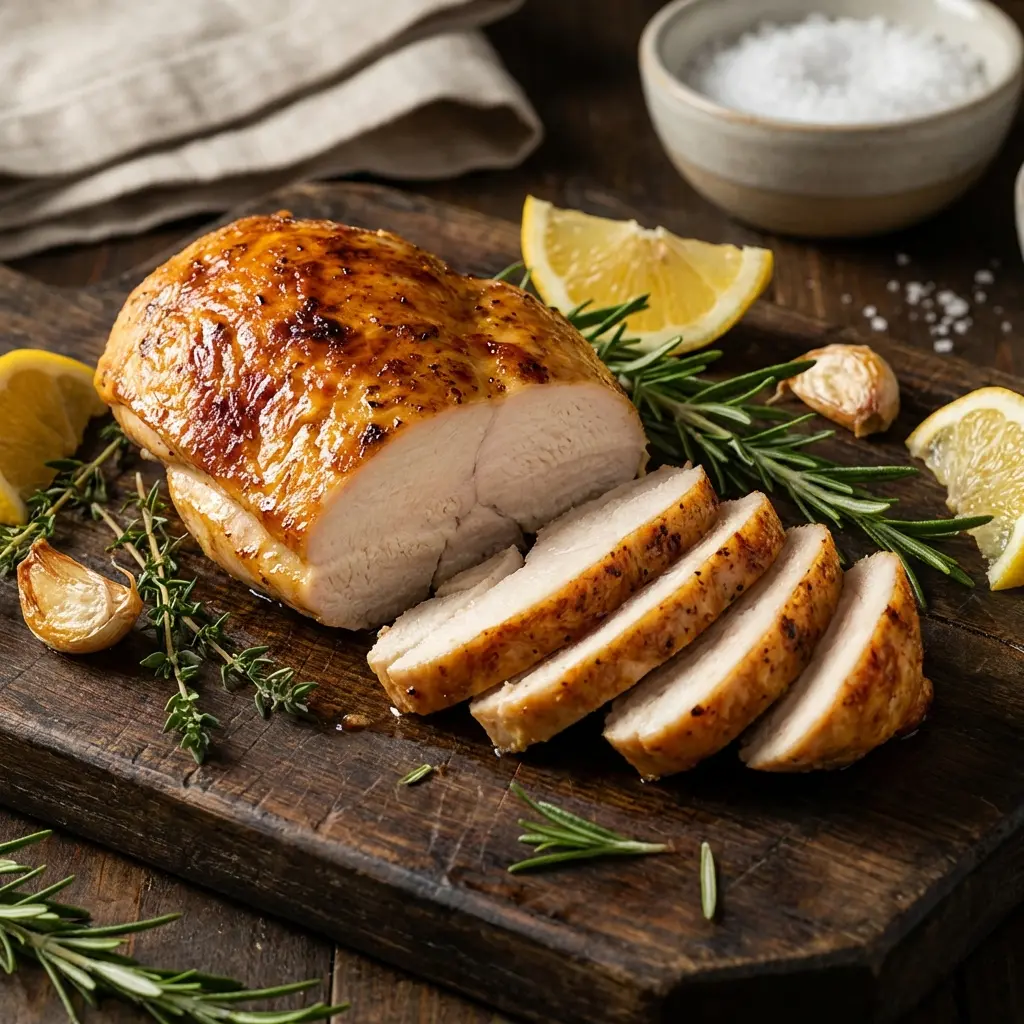
Chicken Breast Temperature: Pull at 160°F71°C, Not 165°F74°C (Here's Why)
Pulling chicken breast at 160°F71°C instead of 165°F74°C makes it dramatically juicier — carryover heat finishes the job. USDA-safe method explained with pull temps, rest times & doneness chart.
Read guide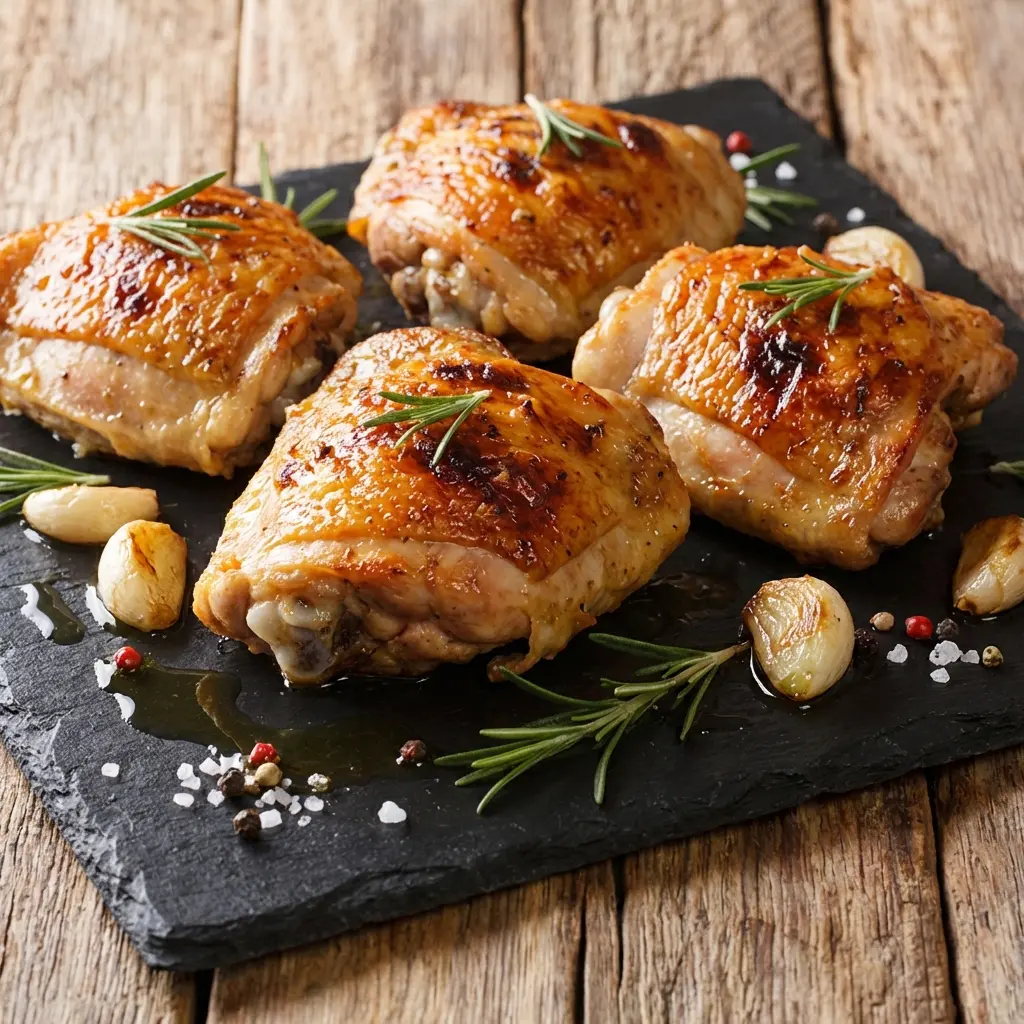
Chicken Thigh Temperature: Cook to 175°F79°C, Not 165°F74°C — Why Higher Is Better
Safe at 165°F74°C, but rubbery. Perfect at 175–185°F79–85°C when collagen melts into gelatin. This guide explains the science of dark meat and why overriding the USDA's minimum makes better food.
Read guide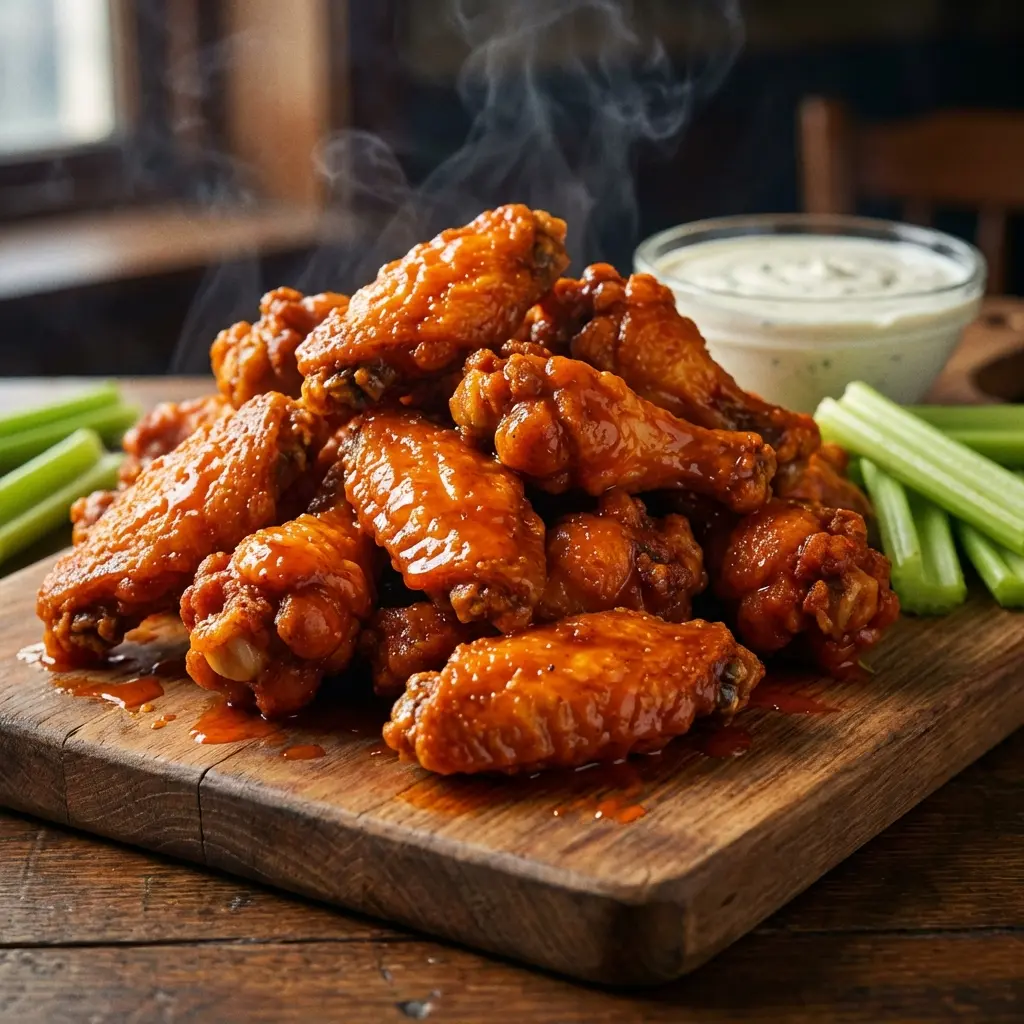
Chicken Wings Temperature: 175–185°F79–85°C for Crispy Skin (Not Just 165°F74°C)
Wings are safe at 165°F74°C but crispy and pull-off-the-bone only at 175–185°F79–85°C. Here's why, plus air fryer vs. oven vs. grill temps and exact cook times.
Read guide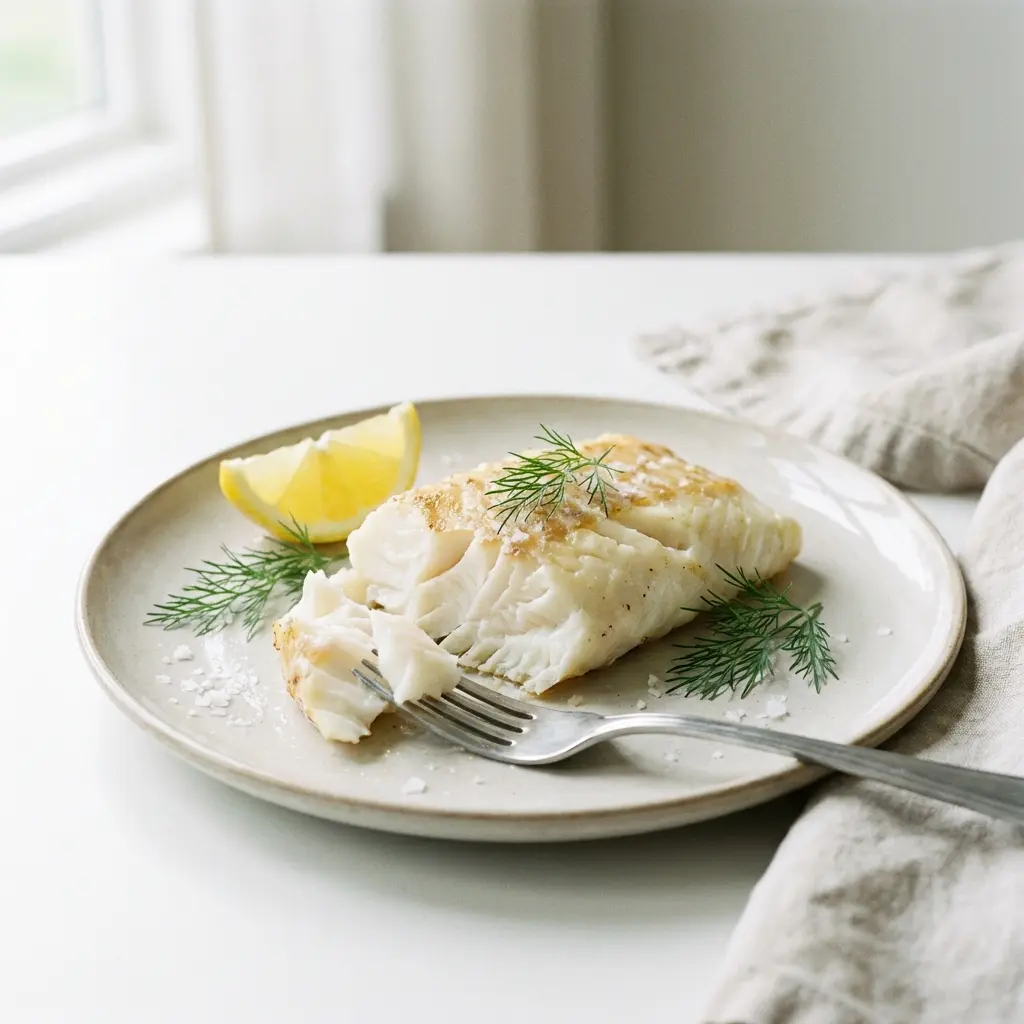
Fish Internal Temperature: 145°F63°C — Chefs Pull at 125°F52°C for Flaky Fish
White fish (cod, halibut, snapper) is done at 145°F63°C but most chefs pull at 125–130°F52–54°C for moist, flaky results. Learn the USDA rule vs. restaurant standard, plus the fork-flake test for when you have no thermometer.
Read guide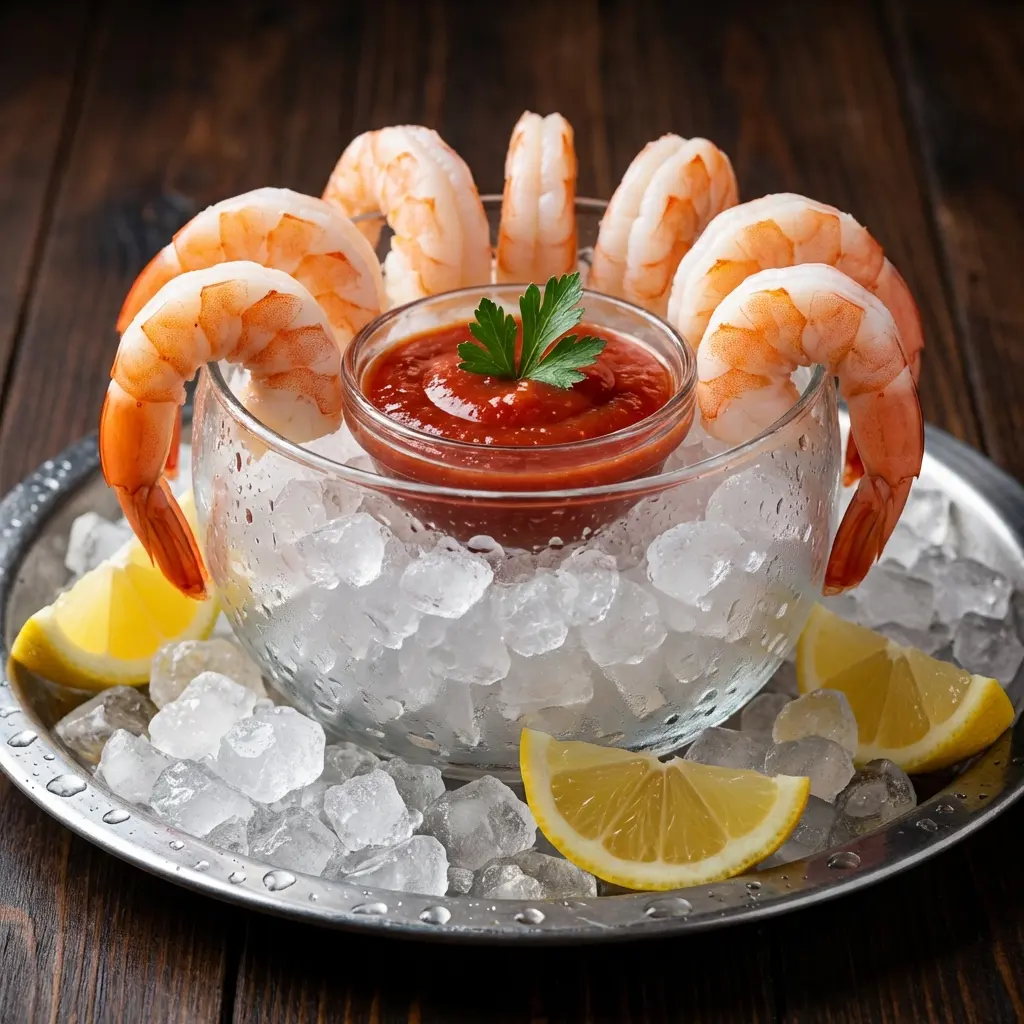
Shrimp Temperature: 120–140°F49–60°C (Why 145°F63°C Ruins Them)
The ideal internal temperature for shrimp and prawns is 120–140°F49–60°C. The C vs O shape test, boiling method, and why cooking past 145°F63°C turns them rubbery every time.
Read guide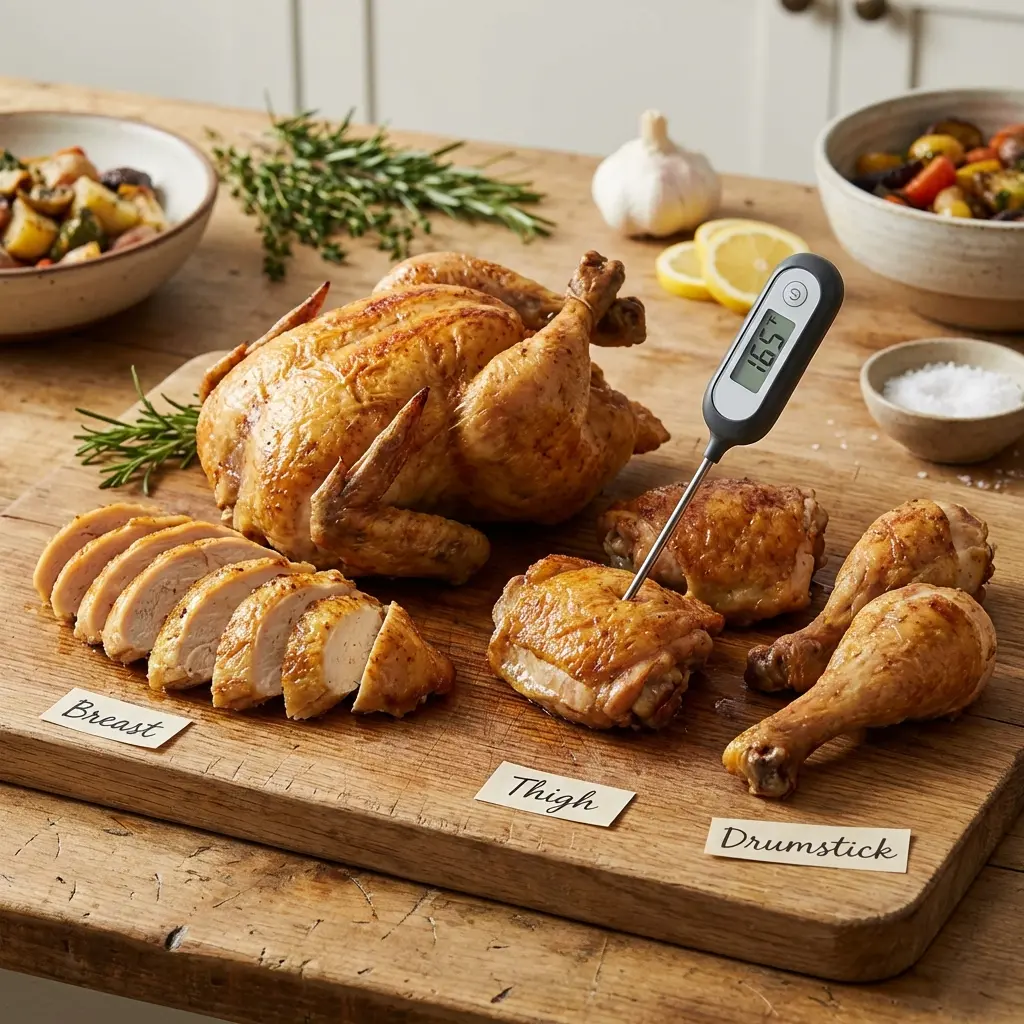
When Is Chicken Done? 165°F74°C Internal (160 vs. 165 Explained)
Chicken is done at 165°F74°C internal. Pull breasts at 160°F71°C and rest; take thighs to 175°F79°C. Cut-by-cut chart, plus the best oven temperature and time for each cut.
Read guide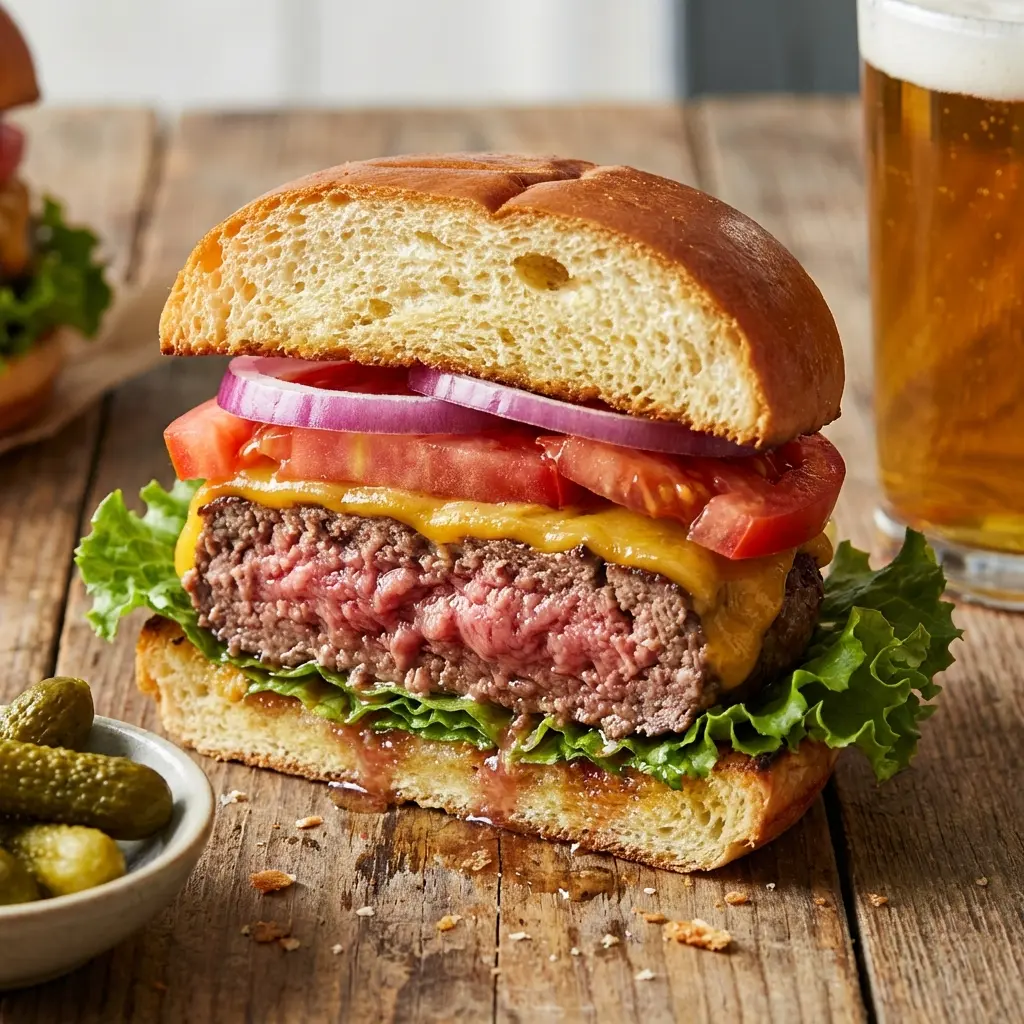
Ground Beef Temperature: 160°F71°C — Why Burgers Need More Heat Than Steaks
Ground beef must hit 160°F71°C — never medium-rare, even in a restaurant. Learn why color is unreliable, how to keep burgers juicy at full temp, and the meatloaf trick.
Read guide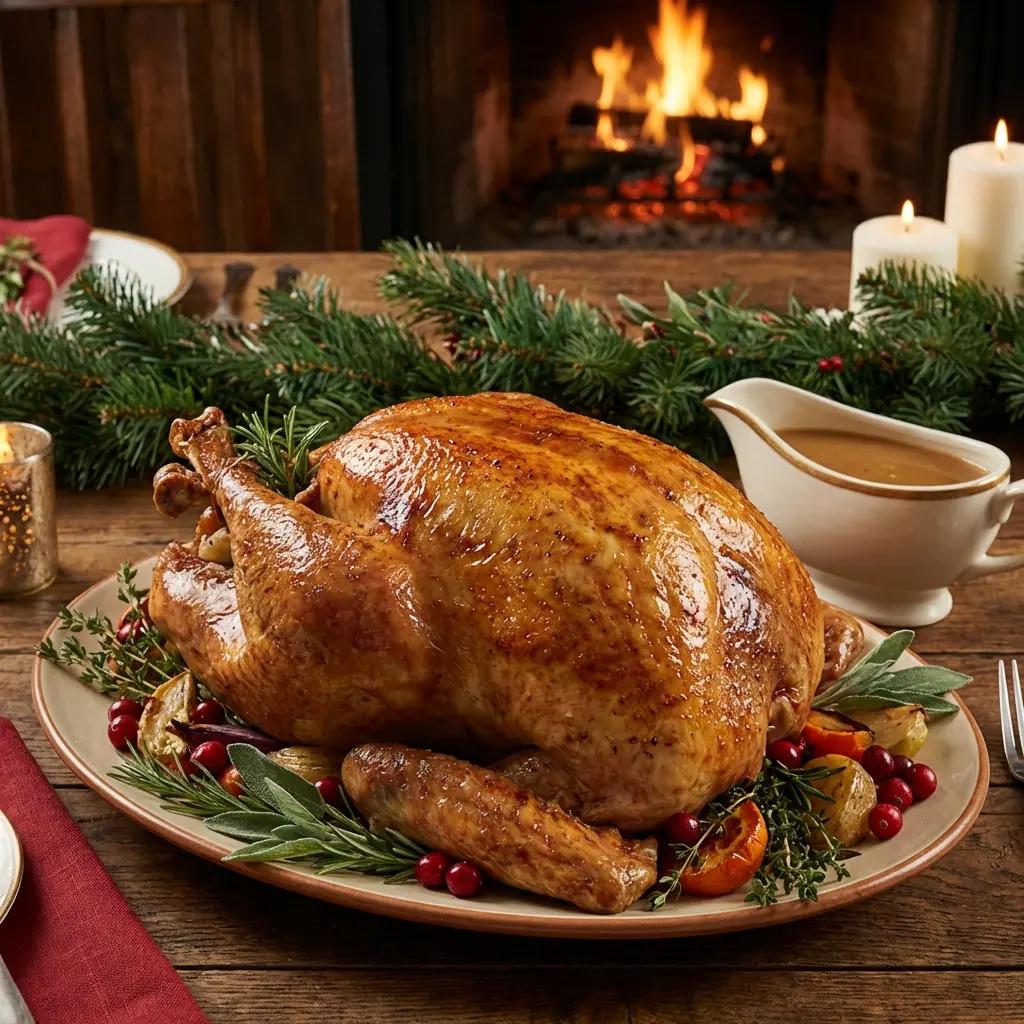
Turkey Breast Temperature: Pull at 160°F71°C, Done at 165°F74°C
Turkey breast is done at 165°F74°C. Pull it at 160°F71°C and rest 15 minutes so carryover heat finishes it. Oven times for bone-in and boneless breast, plus where to probe.
Read guide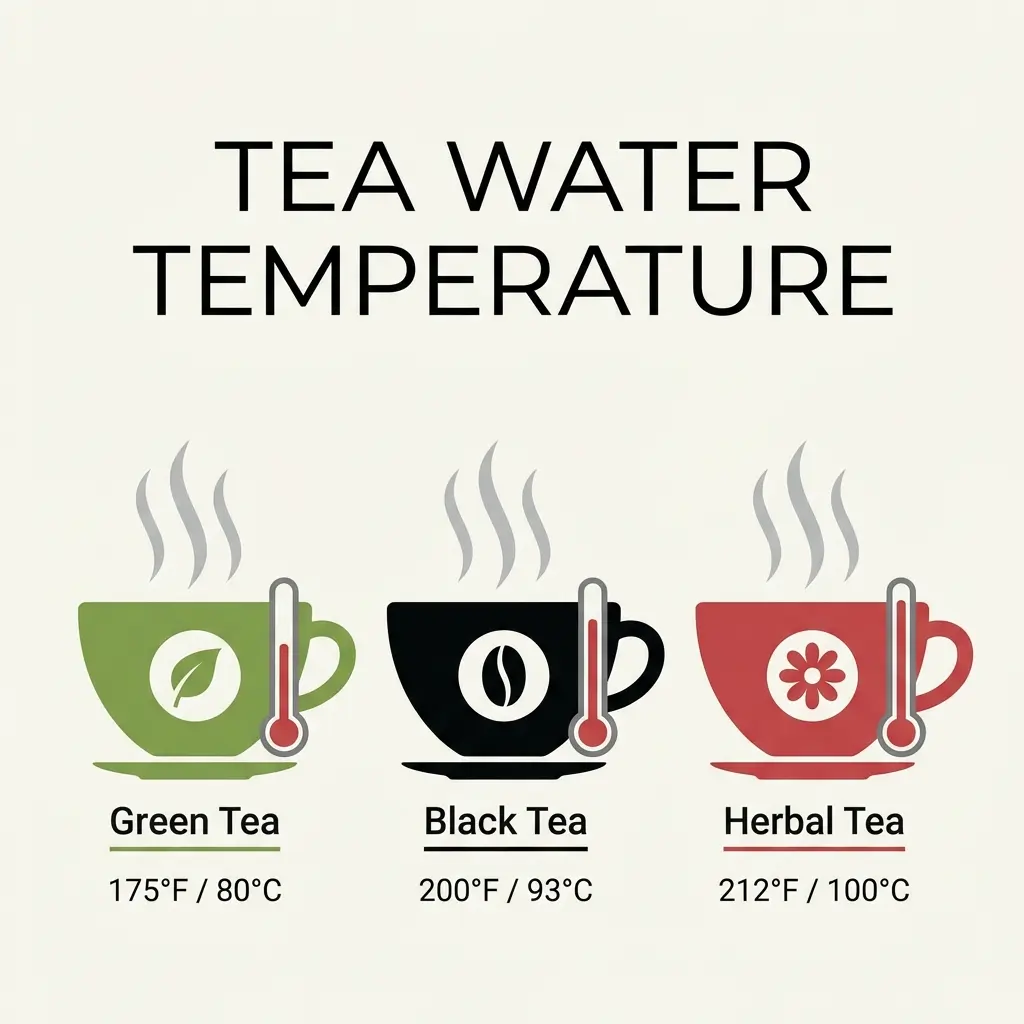
Tea Water Temperature Guide: 175–212°F79–100°C by Tea Type
Green tea needs 175°F79°C, black tea needs 212°F100°C. Using boiling water on green tea extracts harsh tannins. Full temperature guide for green, white, oolong, black, herbal, and matcha, with steep times.
Read guide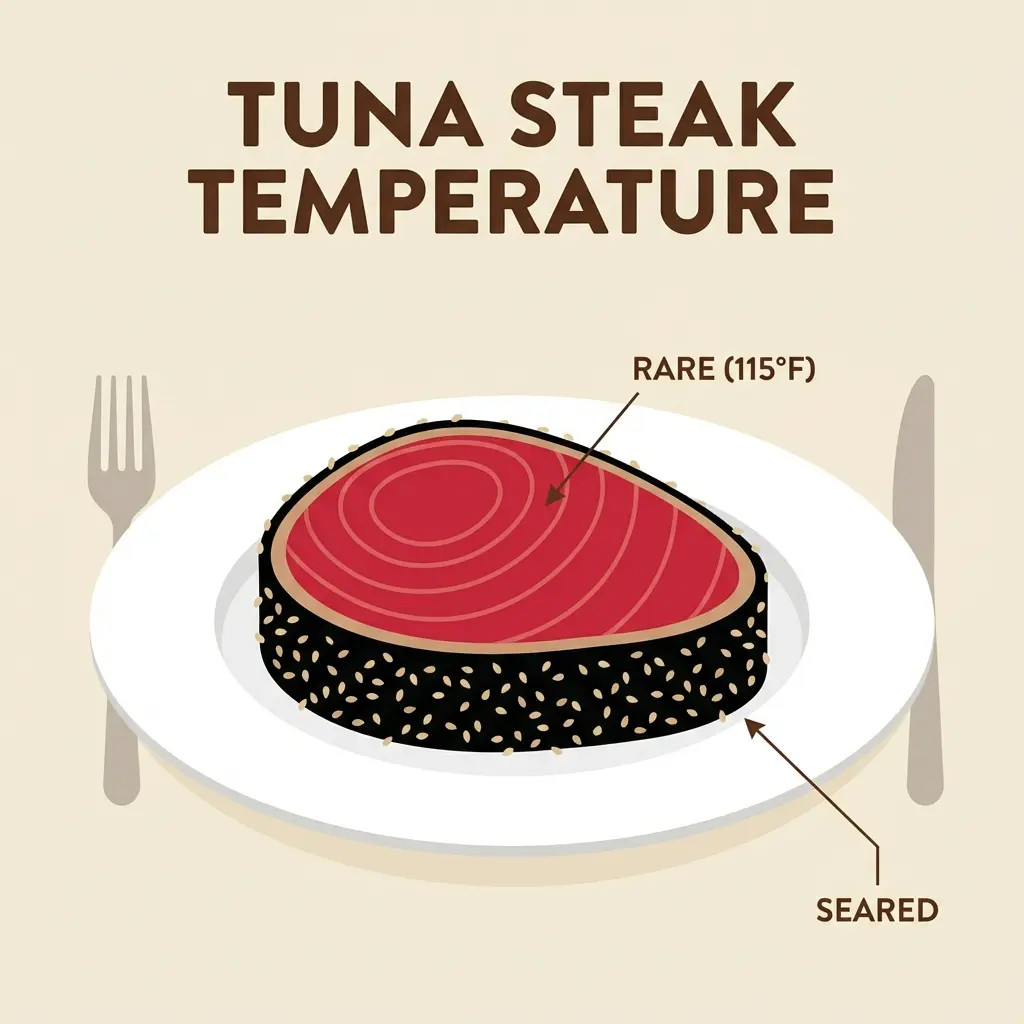
Tuna Steak Temperature: Sear to 115°F46°C Rare — Fully Cooked Ruins It
Tuna steak should be seared 60 seconds per side and raw (115°F46°C) in the center — not cooked through. The USDA says 145°F63°C but that makes it dry and gray. Here's the restaurant standard and when full cooking is required.
Read guide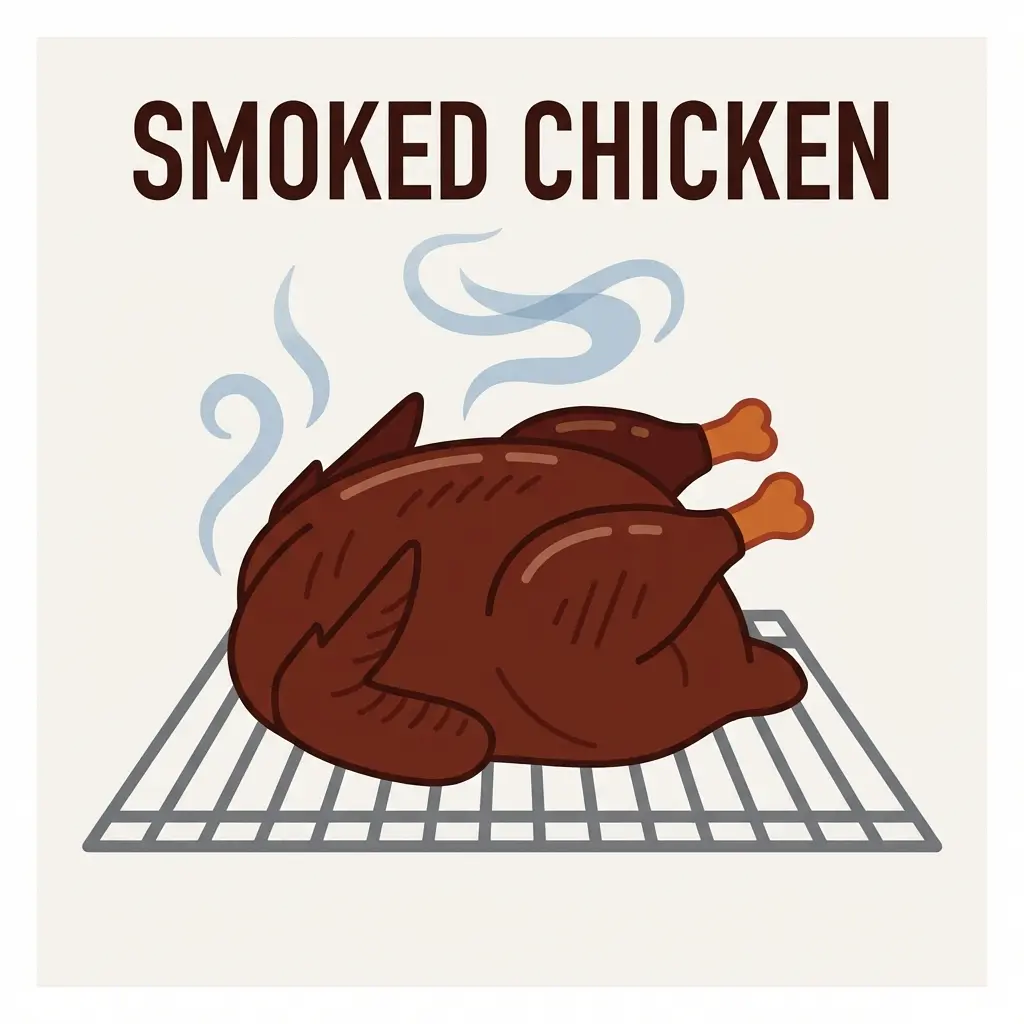
Smoked Chicken Temperature Guide: Whole Birds & Pieces
Smoking chicken is tricky—skin can get rubbery. Learn the temps for smoking whole birds, wings, and quarters, and how to get bite-through skin.
Read guide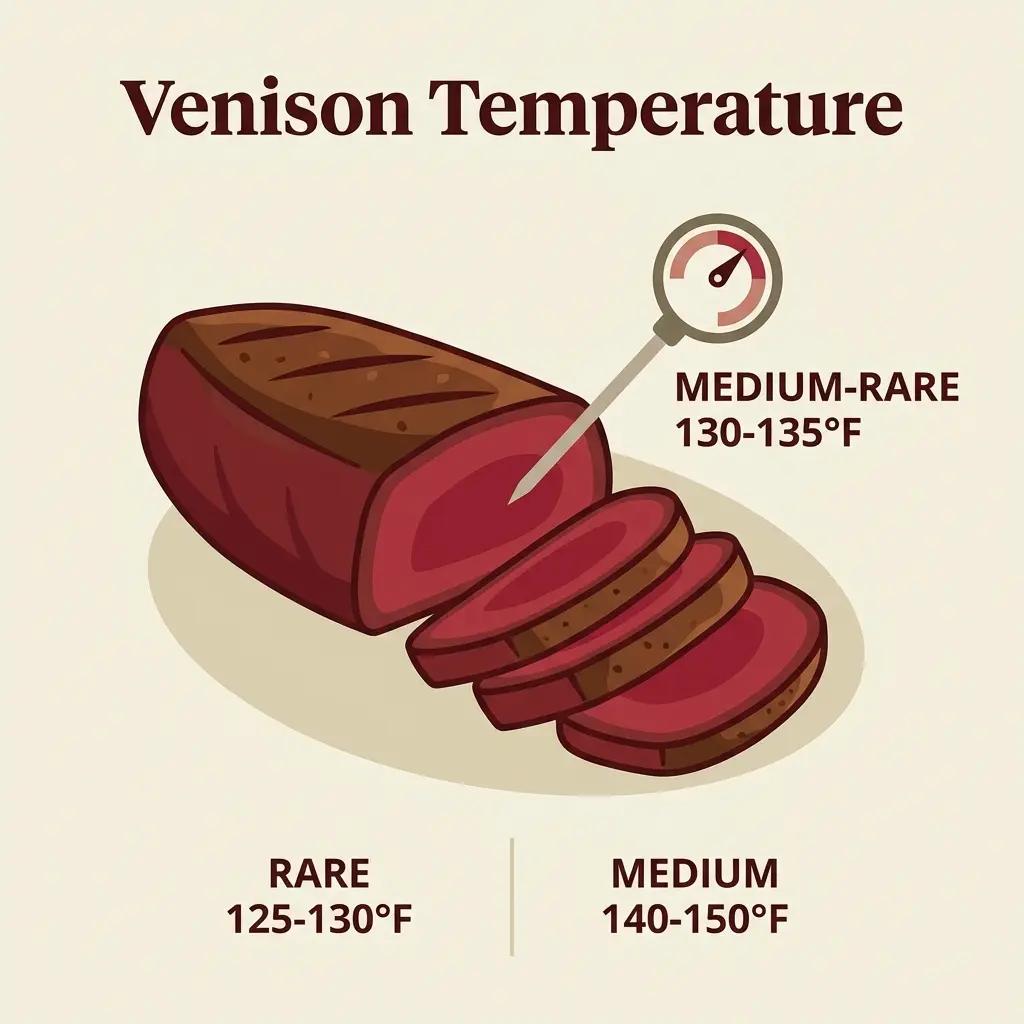
Venison Internal Temperature: Medium-Rare at 130°F54°C — Why Game Meat Must Never Overcook
Venison (deer, elk, moose) has almost no fat — overcook it past 140°F60°C and it turns to leather. Safe minimum is 145°F63°C for roasts, 160°F71°C for ground. Full chart: backstrap, steaks, roasts, and ground venison.
Read guide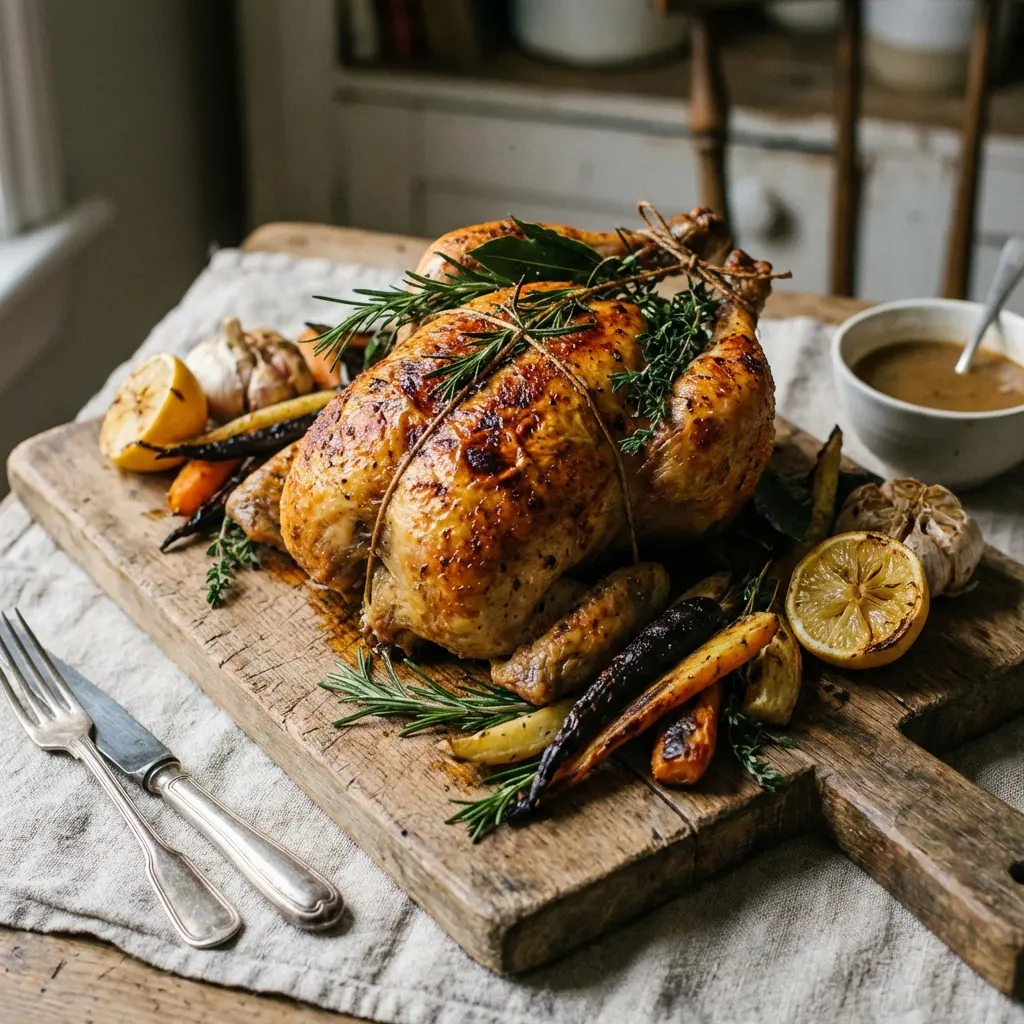
Whole Chicken Temperature: Thigh at 175°F79°C, Breast at 160°F71°C — How to Hit Both
The breast overcooks before the thighs are ready. Here's how to solve it: probe placement, positioning tricks, and why pulling the whole bird at 160°F71°C breast / 175°F79°C thigh gives perfect results.
Read guide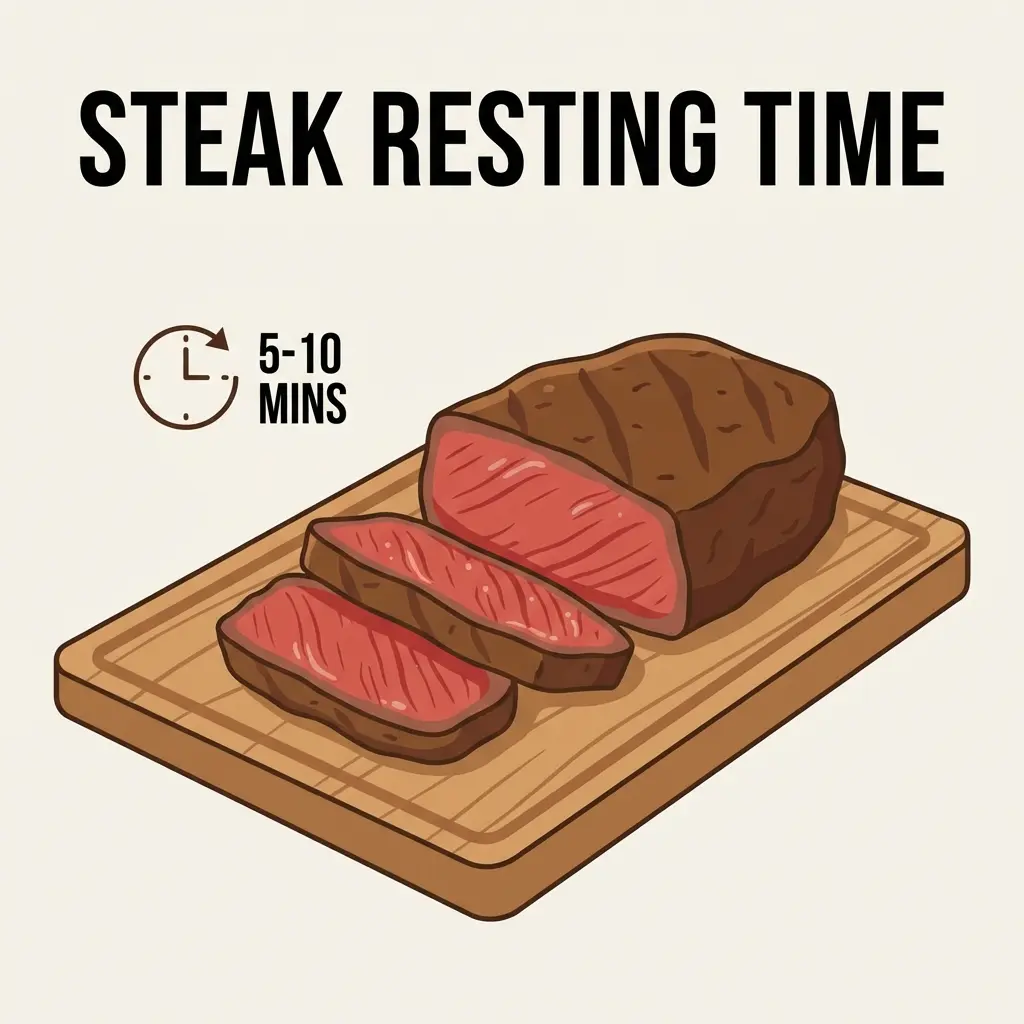
Steak Resting Time: How Long to Rest by Cut & Thickness
Steak resting time: thin steaks (0.75 inch) rest 3–4 minutes; thick steaks (1.5+ inch) rest 7–10 minutes; large roasts rest 20–30 minutes. Resting retains juices and completes carryover cooking.
Read guideTurkey Temperature: Pull Breast at 160°F71°C (Not 165°F74°C) — Here’s Why
Pull your turkey breast at 160°F71°C, not 165°F74°C — carryover heat does the rest. Thighs need 175°F79°C. Full guide: where to probe, resting times & the cooler trick for timing.
Read guideSteak Temperature Chart (°F & °C): Rare to Well Done Pull Temps
Medium-rare is 130–135°F54–57°C — but pull it at 130°F54°C. This chart shows exact pull temps, final temps after resting, and what each doneness level actually looks and tastes like.
Read guide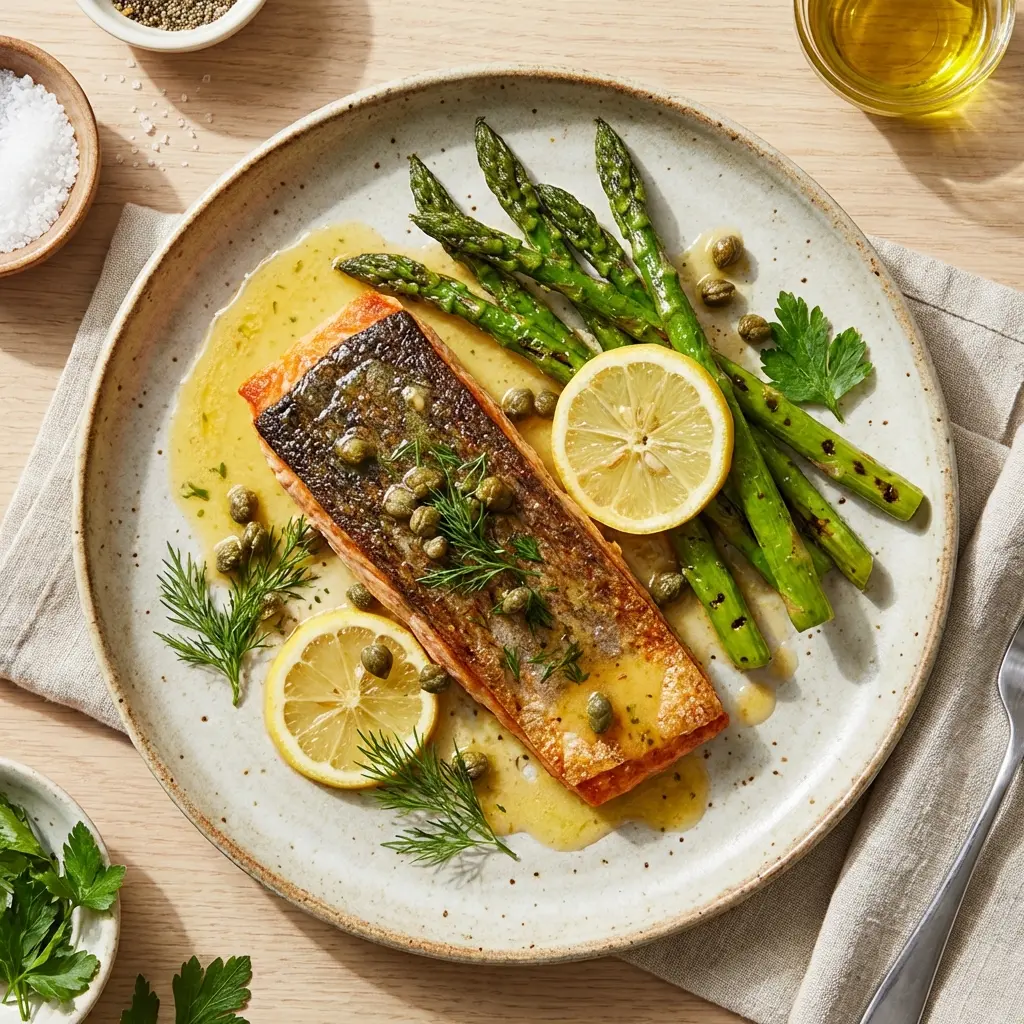
Salmon Internal Temperature: 125°F52°C (Chef) vs. 145°F63°C (USDA) — Which Is Right?
Restaurants serve salmon at 125°F52°C; the USDA says 145°F63°C. We explain why the gap exists, how to get silky-buttery texture safely, and how to prevent that white albumin.
Read guide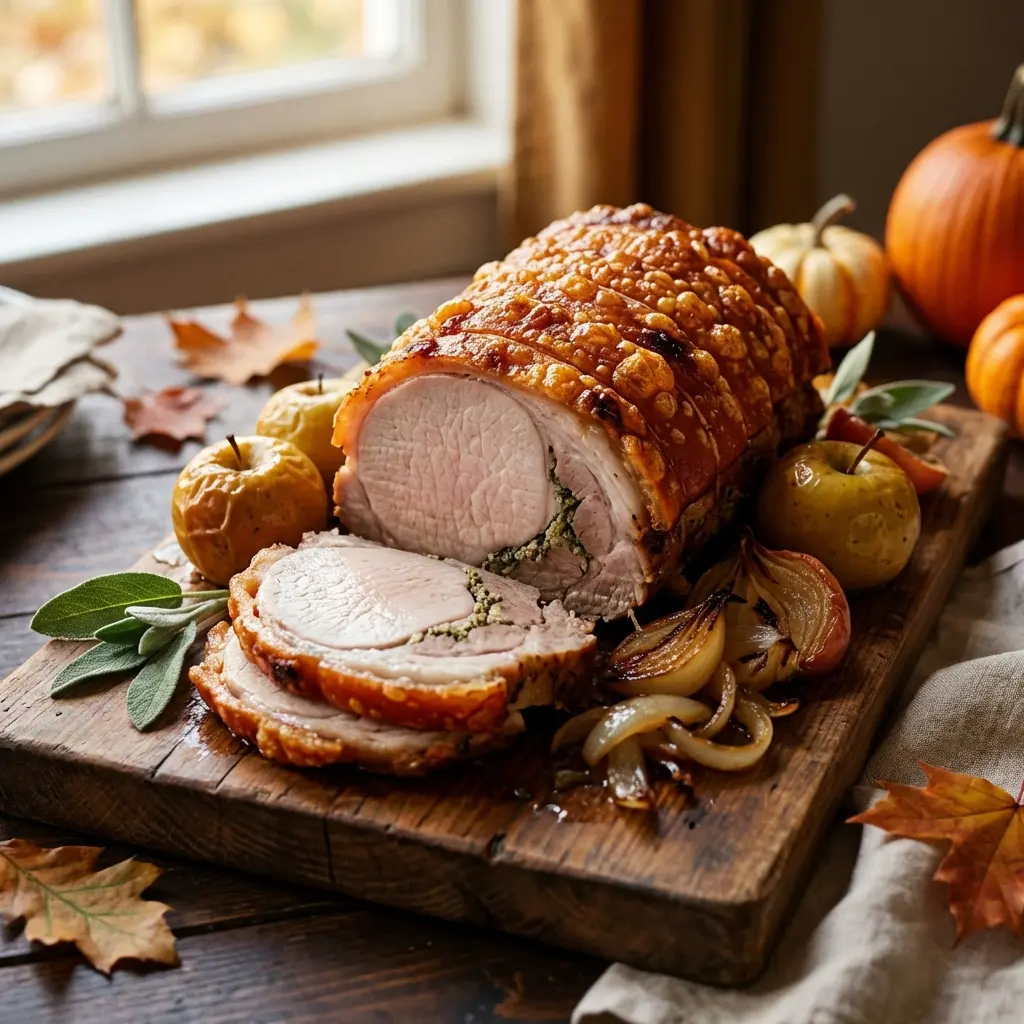
Pork Internal Temperature: 145°F63°C (USDA) — Pink Pork IS Safe
The USDA lowered safe pork temp from 160°F71°C to 145°F63°C in 2011. Pink pork is now officially safe. Full chart: chops, tenderloin, roasts, ham, pulled pork & ground pork.
Read guide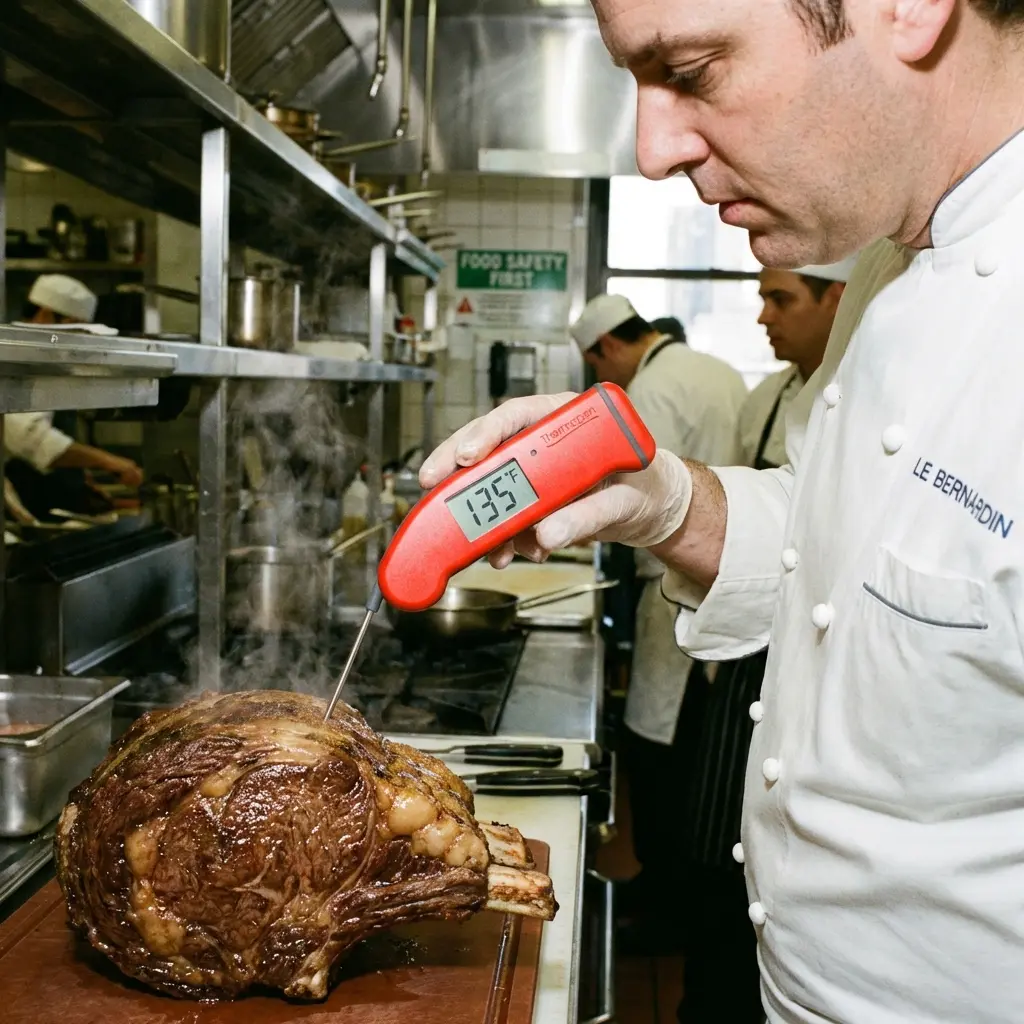
Safe Cooking Temperature Chart (°F & °C): Every Meat, Poultry & Seafood
Chicken 165°F74°C. Beef/pork 145°F63°C. Ground meat 160°F71°C. Fish 145°F63°C. Full USDA chart with resting times, ground vs. whole-muscle rules, and reheating requirements — printable reference.
Read guide