
Bread Baking Temperatures: Yeast, Oven & Doneness
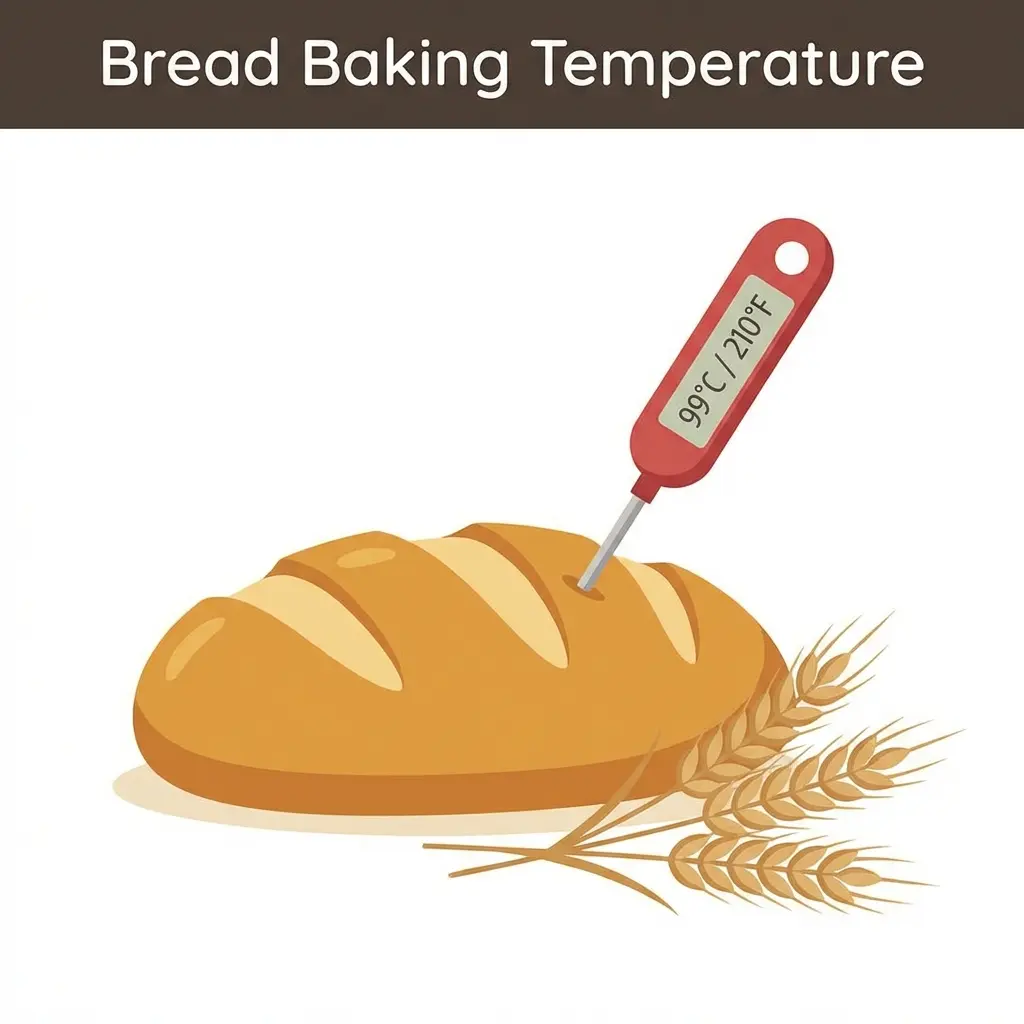
Baking is chemistry. And chemistry relies on temperature to trigger reactions. From activating yeast to setting the gluten structure, every degree matters.
1. Water Temp for Yeast
Yeast is a living organism.
- Too Cold (80°F27°C or lower): Yeast sleeps. Rising takes forever.
- Perfect (100°F38°C–110°F43°C): Yeast is happy. Active bubbling.
- Too Hot (120°F49°C–140°F60°C): Yeast dies. Dough will never rise.
Use your wrist. 100°F38°C feels like a nice warm bath. 120°F49°C feels uncomfortably hot.
2. Oven Temperature
- Lean Doughs (Baguettes, Sourdough): 400°F204°C–475°F246°C. High heat creates the crusty exterior and "Oven Spring" (rapid expansion).
- Enriched Doughs (Brioche, Challah): 350°F177°C. Sugar and eggs burn easily. Lower heat cooks the inside without burning the crust.
3. Doneness Temperature (The Thump Test is a Lie)
Grandma tapped the bottom of the loaf to hear a "hollow sound." This is unreliable. Use a thermometer.
| Bread Type | Target Internal Temp | Notes |
|---|---|---|
| Lean Bread | 205°F96°C–210°F99°C | Hard crust, Sourdough, artisan loaves. |
| Enriched Bread | 190°F88°C–200°F93°C | Soft rolls, sandwich bread. |
| Gluten Free | 205°F96°C+ | Gums require higher heat to set. |
Cooling (The Hardest Part)
You must let bread cool completely (to room temp) before slicing.
- Why? The starch gelatinization process finishes as it cools. If you cut hot bread, the steam escapes, leaving the crumb gummy and "doughy."
- Time: Minimum 1 hour for loaves.
Frequently Asked Questions (FAQ)
Q: My crust is soft, not crispy?
A: You likely didn't have enough steam in the oven initially, or you wrapped it in plastic while warm. Steam keeps the crust soft during rising, then dissipates to let it crisp. Without steam, the crust forms too early and stays thick/chewy.
Q: Why is my sourdough dense?
A: Under-fermented (too cold) or Over-proofed (too hot). Temperature control during the rise is key. Aim for dough temp of 75°F24°C–78°F26°C during bulk fermentation.
Q: Can I open the oven?
A: Not for the first 20 minutes! That lets the steam out and kills the oven spring.
Proofing Temperatures: Where Dough Rises Best
| Environment | Temp | Effect |
|---|---|---|
| Cold fridge proof | 38°F3°C | 12–48 hr slow rise — maximum flavor |
| Cool room | 65°F18°C–70°F21°C | Slow, steady, good flavor |
| Ideal proof box | 75°F24°C–80°F27°C | Standard 1–2 hr rise |
| Warm oven with light on | 85°F29°C–95°F35°C | Fast rise, slight flavor loss |
| Too warm | 100°F38°C+ | Over-fast rise, gassy off-flavors, weak structure |
The overnight fridge proof deserves special mention: at fridge temperature, yeast slows to a crawl while flavor-building enzymes keep working. It's the easiest single upgrade to homemade bread — mix the dough tonight, bake tomorrow. Cold dough can go straight into a hot oven; it just needs a few extra minutes.
Quick Troubleshooting by Temperature
- Loaf browned but doughy inside: oven too hot for the loaf size. Drop 25°F14°C and tent with foil once the crust is set; bake to the internal temps above.
- Pale crust, fully baked inside: oven too cool or too much steam late in the bake. Verify with an oven thermometer — home ovens routinely run 15°F8°C–25°F14°C off their dial.
- Burst/torn side: under-proofed dough — the interior expanded after the crust set. Warmer, longer final proof next time.