
Fridge & Freezer Temperature Guides: Optimal Settings & Food Storage
Complete guide to refrigerator and freezer temperatures. Refrigerators should stay at 35–40°F; freezers at 0°F. Learn optimal settings, food storage safety, power outage rules, and how to troubleshoot cooling issues.
Your refrigerator and freezer are your primary food safety appliances — working 24/7 to keep perishables out of the bacterial danger zone. The most common home food safety failure isn't cooking temperature — it's cold storage temperature being too high.
The Numbers That Matter
- Refrigerator: 35–40°F (2–4°C) — below 40°F keeps bacteria from growing rapidly
- Freezer: 0°F (-18°C) — bacterial growth fully stops; food safe indefinitely
- Danger Zone: 40°F–140°F (4°C–60°C) — bacteria double every 20 minutes here
Common Refrigerator Temperature Zones
| Zone | Typical Temp | Best For |
|---|---|---|
| Door shelves | 40–45°F (warmest) | Condiments, butter, juice |
| Upper shelves | 37–40°F | Ready-to-eat, leftovers |
| Middle shelves | 35–38°F | Dairy, eggs, deli meats |
| Bottom shelf | 33–36°F (coldest) | Raw meat (bottom only) |
| Crisper drawers | 38–40°F humid | Produce |
What We Cover
- Optimal settings: the exact fridge temperature and freezer temperature to set, and how to verify them with a thermometer
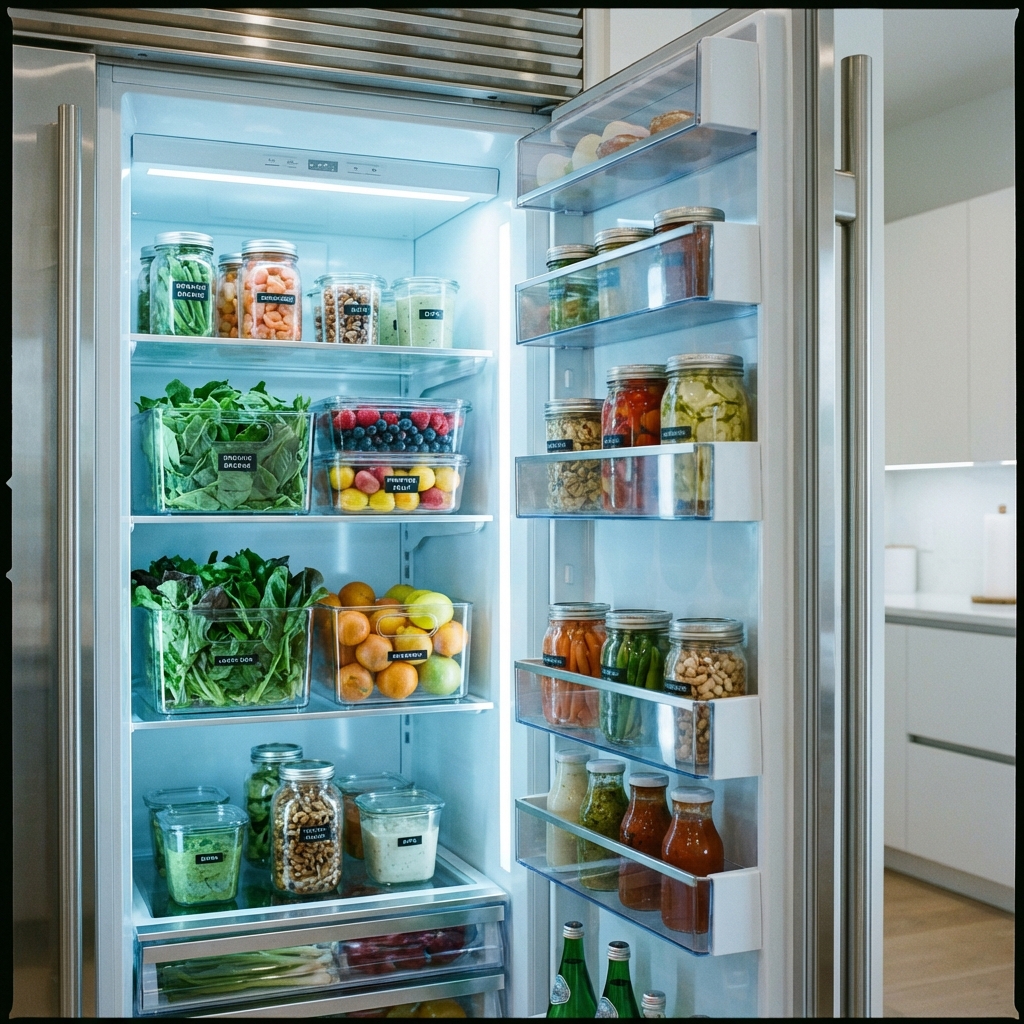
- Storage tips: how to organize your fridge by temperature zone to prevent cross-contamination
- Troubleshooting: what to do if your fridge is too warm or your freezer is too warm, and when to defrost a frosted-up freezer
- Power outages: the 4-hour fridge rule and 48-hour freezer rule
- Freezer burn: what causes it, how to prevent it, and when burned food is still safe
Browse all refrigerator and freezer guides below.
All Fridge & Freezer Guides
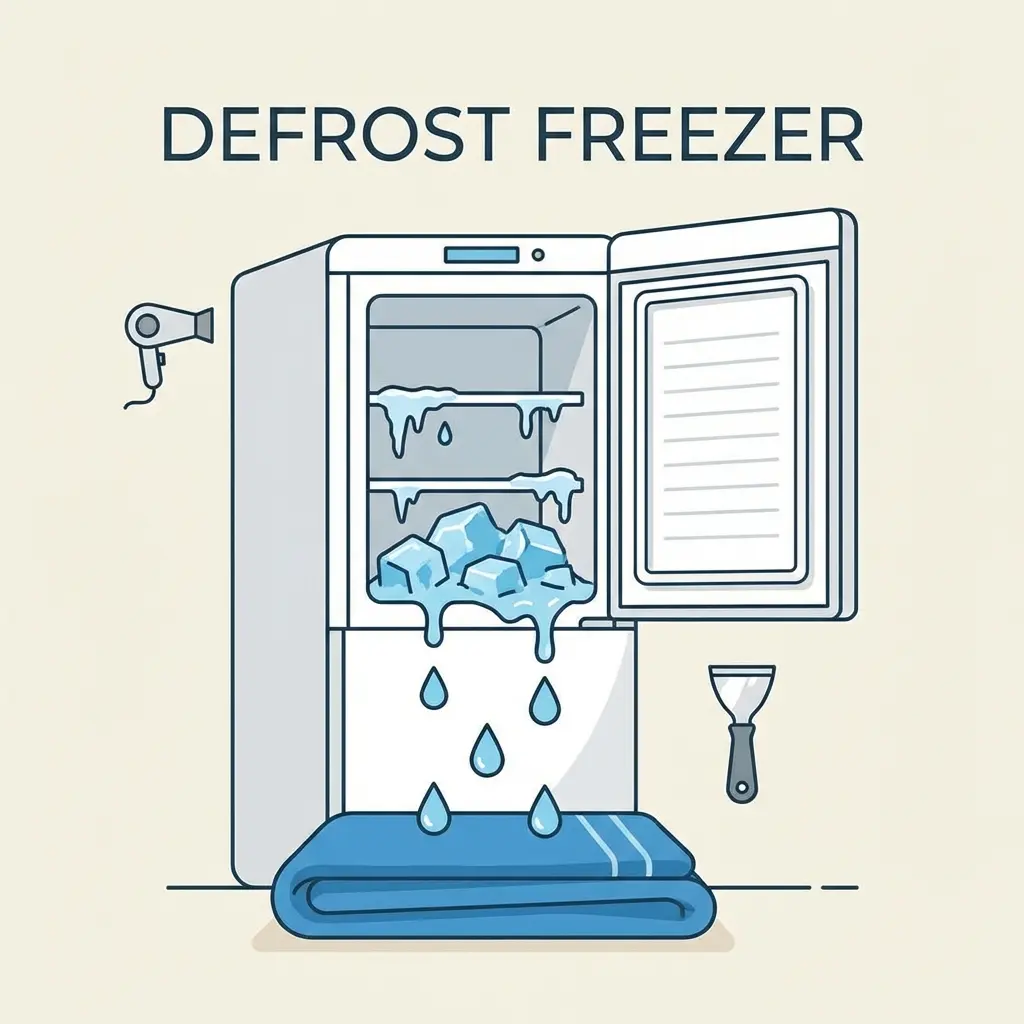
When & How to Defrost a Freezer: The 1⁄4 Inch Rule
Defrost your freezer when frost builds up to 1⁄4 inch (6mm) — any more and efficiency drops up to 25%. Never use a hair dryer or sharp objects. Step-by-step defrost guide for chest and upright freezers.
Read guide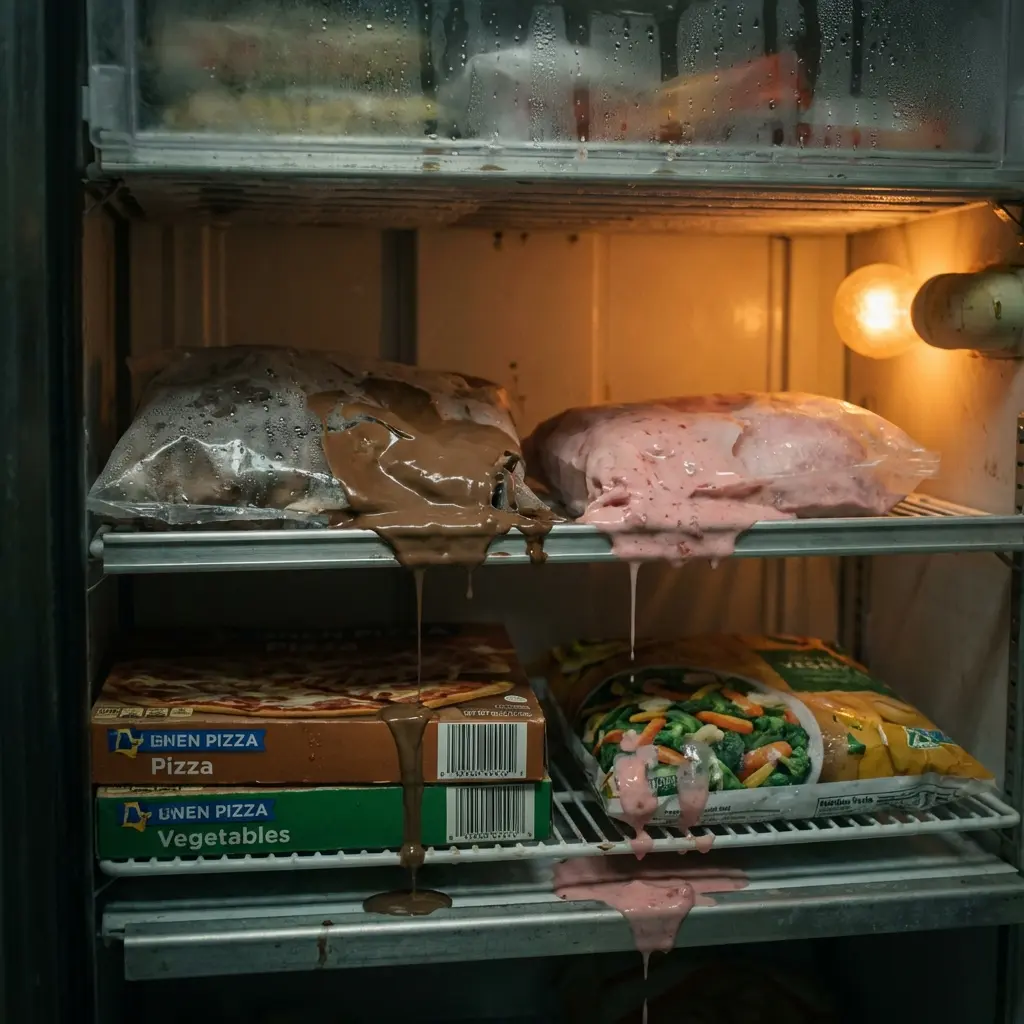
Freezer Not Cold Enough? Fix It — Should Be 0°F-18°C or Below
If your freezer is above 10°F-12°C, ice cream softens and food quality degrades. Above 32°F0°C it's a slow fridge, not a freezer. 5 causes: frost buildup, broken door seal, overloading, bad condenser, or dead thermostat.
Read guide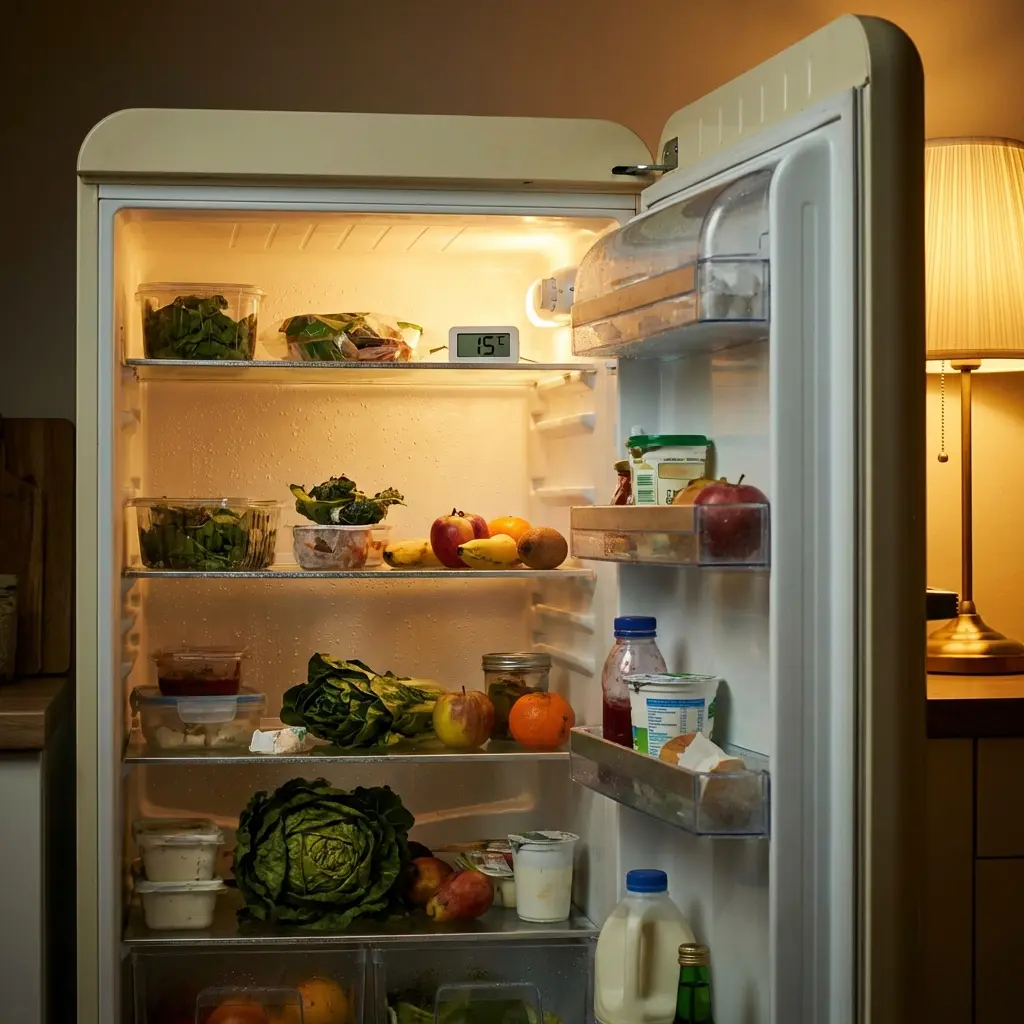
Fridge Too Warm? Fix It in 10 Minutes — 5 Causes & Solutions
If your fridge is above 40°F4°C, food is in the danger zone. The 5 most common causes: dirty condenser coils, broken door seal, overpacking, wrong temperature setting, and failing thermostat. Diagnosis checklist inside.
Read guide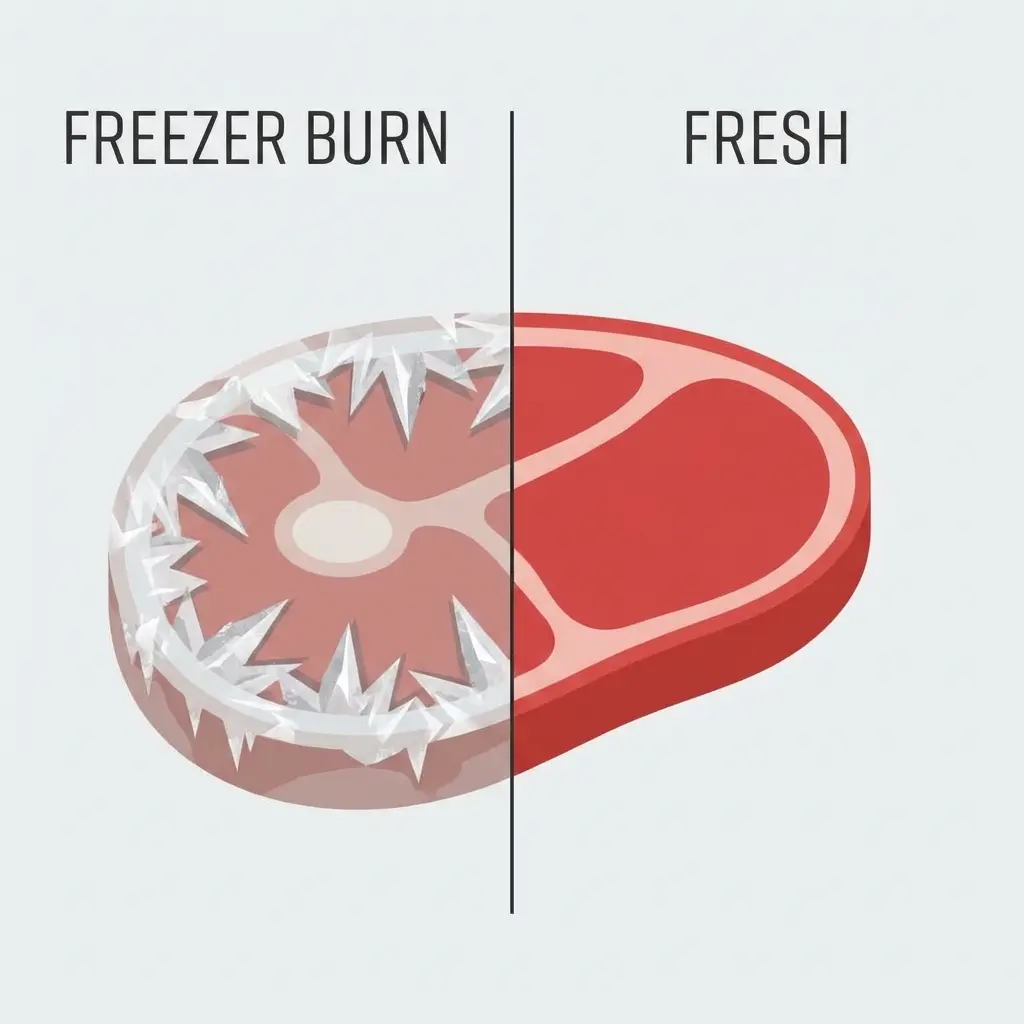
Freezer Burn: What It Is, What Causes It & How to Prevent It
Freezer burn is caused by sublimation — ice evaporating directly from food surface in a dry freezer. It's safe to eat but affects quality. Learn the causes, prevention, and whether to discard freezer-burned food.
Read guide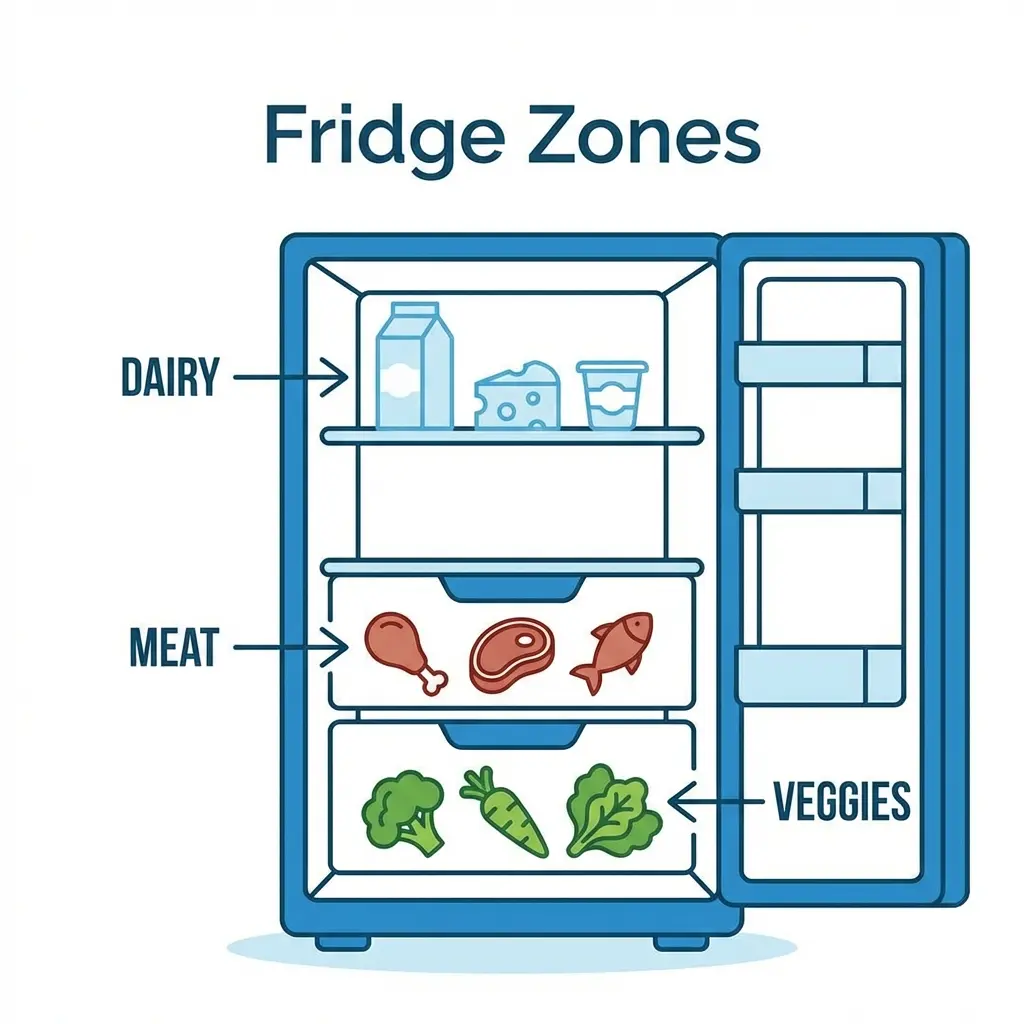
Fridge Organizing by Temperature Zone: Where to Store Every Food
Organize your fridge by temperature zone: raw meat on the bottom shelf (coldest, prevents drips), dairy in the center, condiments in the door. A properly organized fridge maximizes safety and extends food life.
Read guide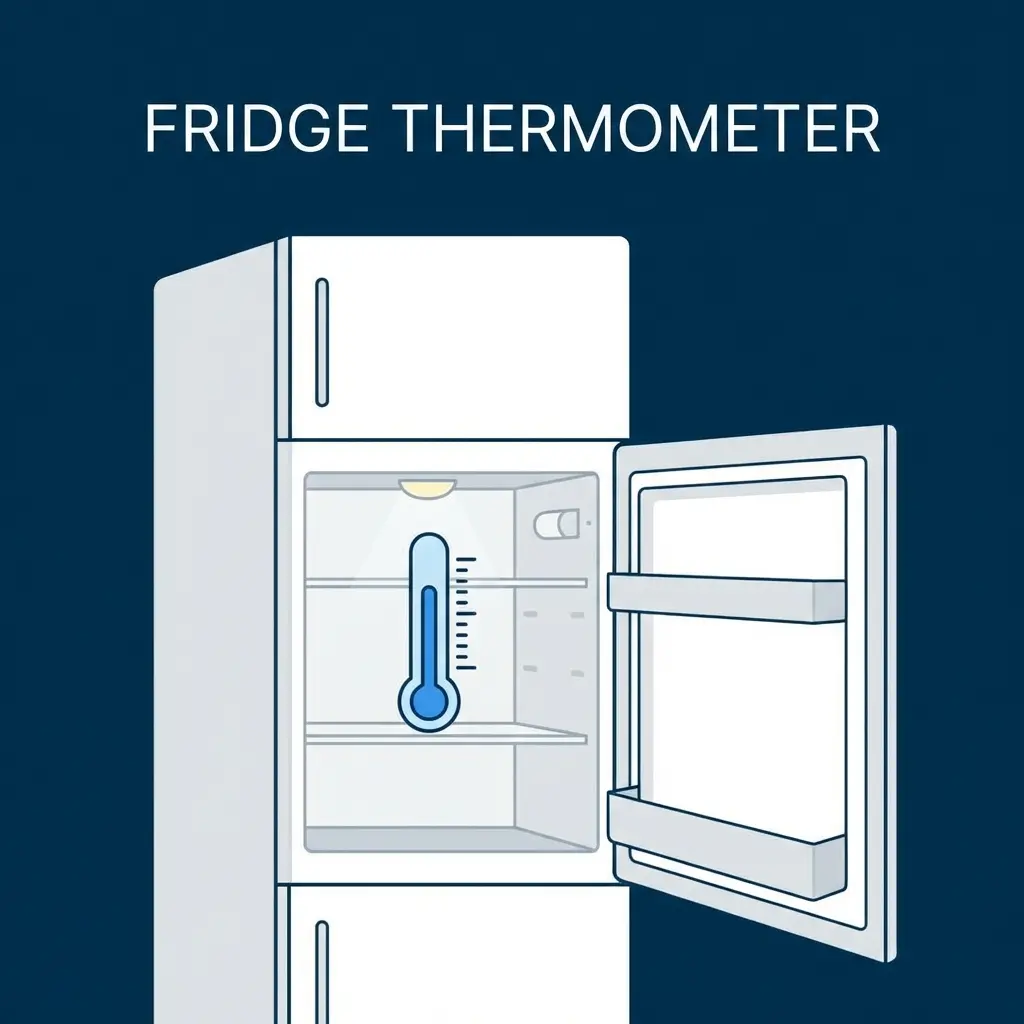
Fridge Thermometer: Best Placement & Types (2026)
Where to put a fridge thermometer: center of the middle shelf, never the door. Built-in displays run 5–10°F-15–-12°C inaccurate. Compare dial, digital, and wireless types and how to read them correctly.
Read guide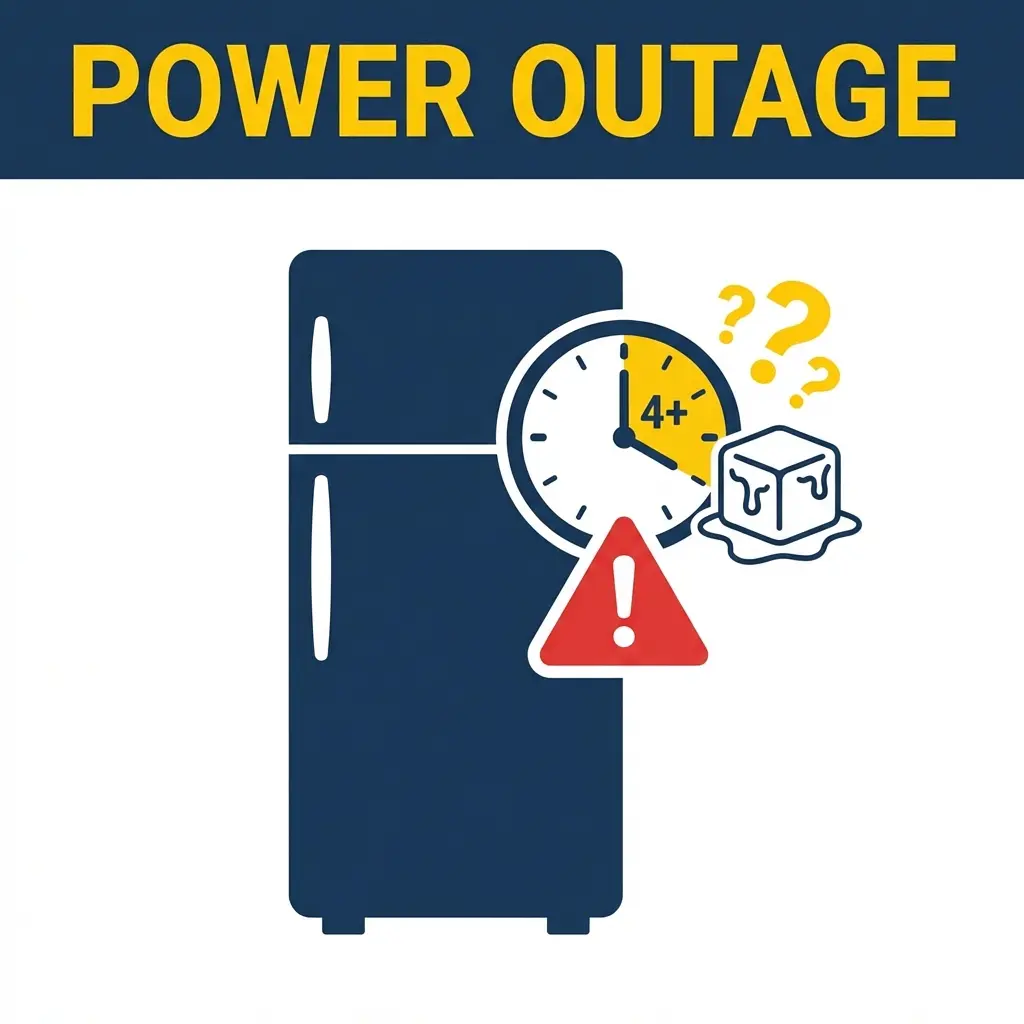
Power Outage Food Safety: Fridge & Freezer 4-Hour & 48-Hour Rules
During a power outage, a refrigerator stays safe for 4 hours (door closed) and a full freezer for 48 hours. Learn USDA guidelines for what to keep, what to discard, and how to check safety after power returns.
Read guide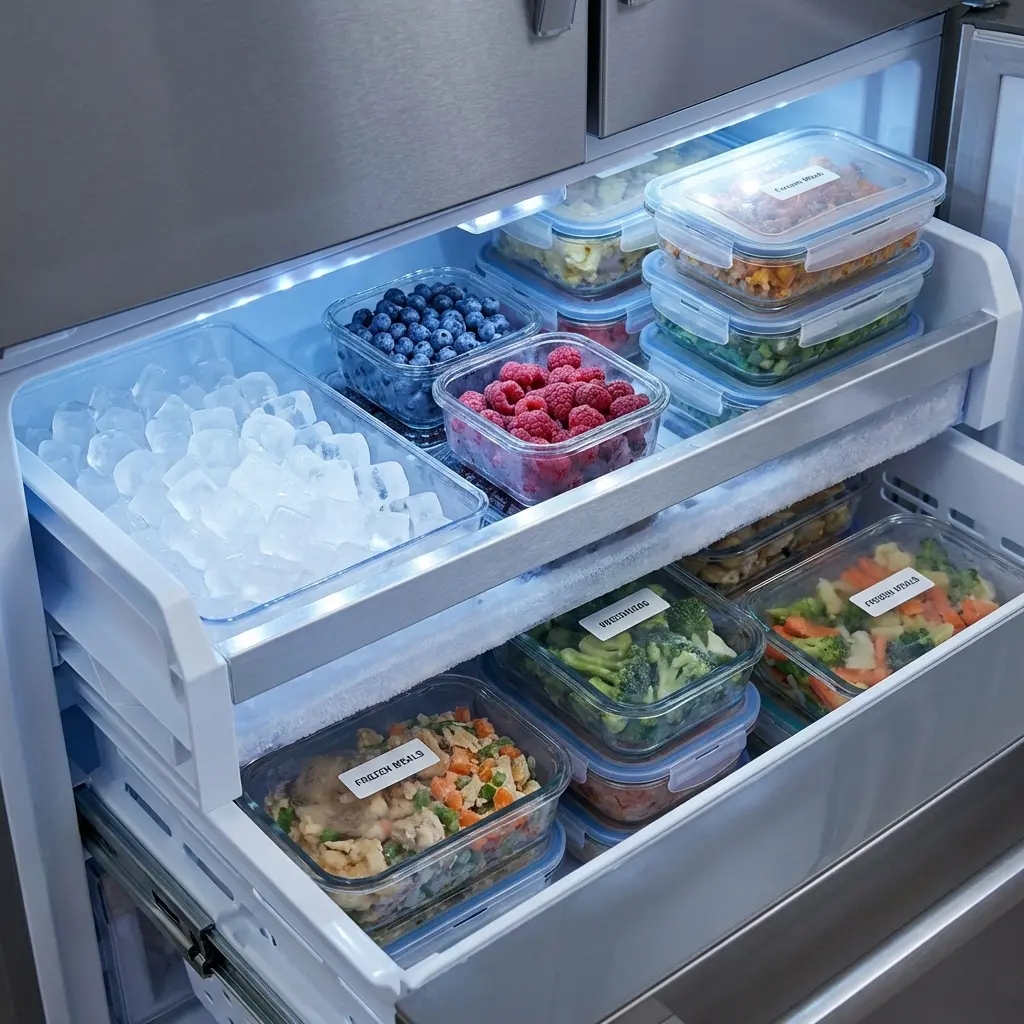
Ideal Freezer Temperature: 0°F-18°C — USDA Freezer Guide for US & Canada
The correct freezer temperature is 0°F-18°C or lower, per USDA and Health Canada guidelines. Learn why 32°F0°C isn’t cold enough, how to prevent freezer burn, and how long food lasts frozen.
Read guide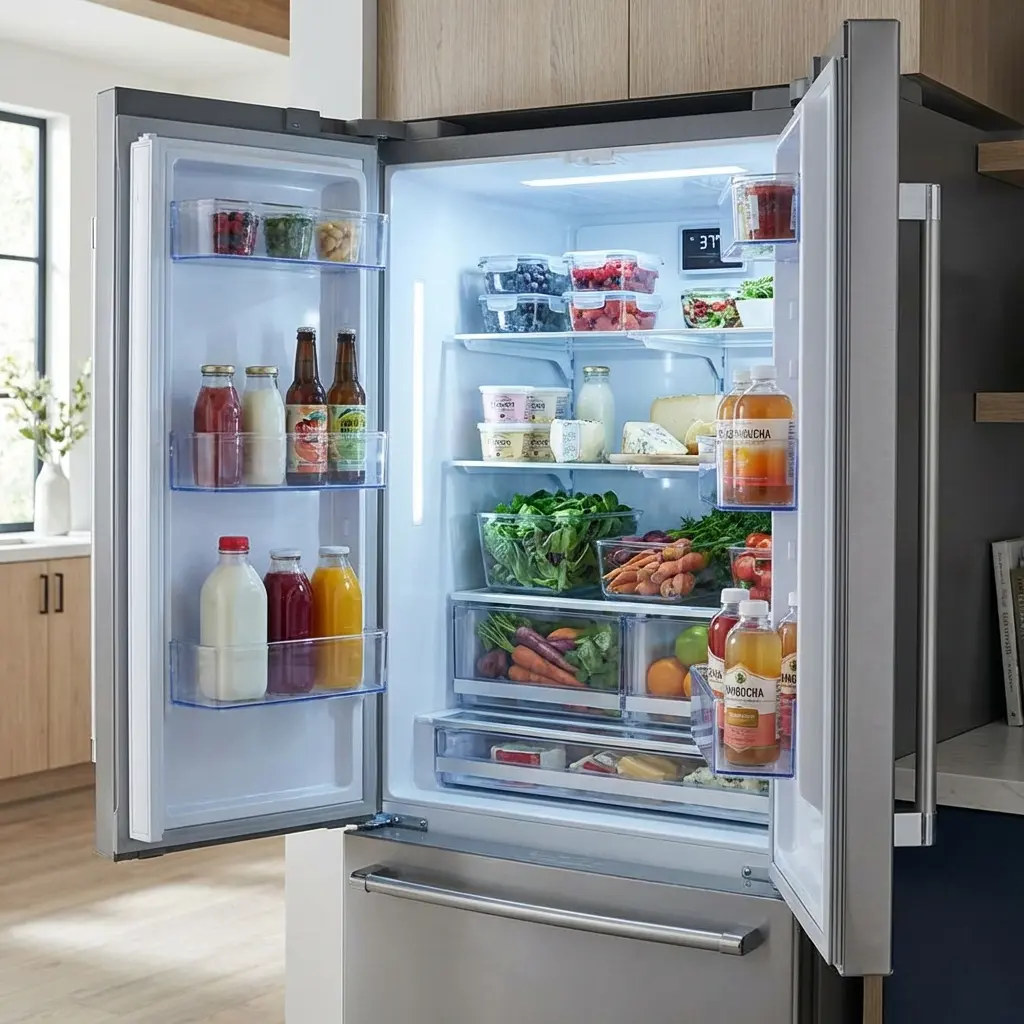
What Temperature Should a Fridge Be? 37°F3°C Is Ideal
The ideal fridge temperature is 35–38°F2–3°C, with 37°F3°C as the target. 40°F4°C is the safety limit, not the goal. How to check yours and fix a fridge that runs warm.
Read guide