
Temperature Guides & Tutorials: Thermometers, Calibration & Food Science
In-depth tutorials for using meat thermometers, calibrating for accuracy, carryover cooking, resting meat, and understanding HACCP temperature principles. Complete guides for home cooks and food service professionals.
Knowing the right temperature is essential — but knowing how to measure it accurately, interpret the reading correctly, and understand why it matters is what separates reliably good results from guesswork.
Skills This Section Covers
Thermometer Mastery:
- Choosing the right thermometer type for each task — and our instant-read picks
- Correct probe placement by cut (where to insert, how deep, avoiding bone)
- Monthly calibration — the ice water test and adjustment methods
- Cleaning and care to prevent cross-contamination between uses
- Wireless thermometers for BBQ and oven monitoring, plus why you need an oven thermometer
Advanced Cooking Concepts:
- Carryover cooking — how much temperature rises after heat removal and how to account for it
- Resting meat — the science of moisture redistribution and rest times by cut
- Candy making — sugar stages, thermometer accuracy, and altitude adjustment
Commercial Food Safety:
- HACCP critical control points for restaurant applications
- Printable temperature log templates: fridge, freezer, and cooked food
- The quick food safety checklist and buffet & catering safety rules
Quick Reference: Common Probe Thermometer Uses
| Task | Recommended Type | Target Temp |
|---|---|---|
| Check steak doneness | Instant-read | 125–145°F |
| Monitor roast in oven | Leave-in probe | 145–165°F |
| Candy making | Candy thermometer | 234–312°F |
| Check oil for frying | Instant-read | 350–375°F |
| BBQ / smoker monitoring | Wireless probe | 225–275°F ambient |
| Verify fridge temp | Appliance thermometer | 35–40°F |
Browse all guides below.
All Guides Guides
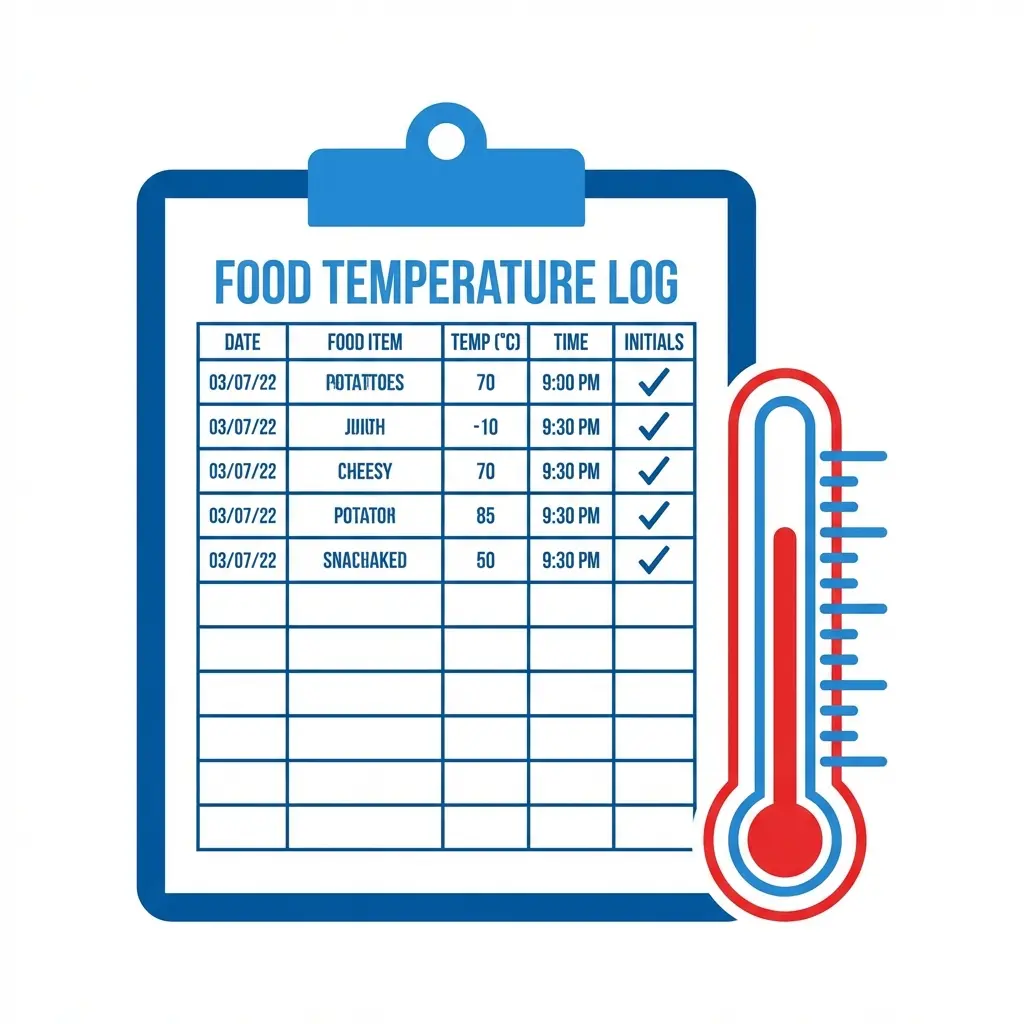
Food Temperature Log Template (Printable PDF)
A free printable template for restaurant kitchens to log food cooking temperatures. Required for HACCP compliance.
Read guide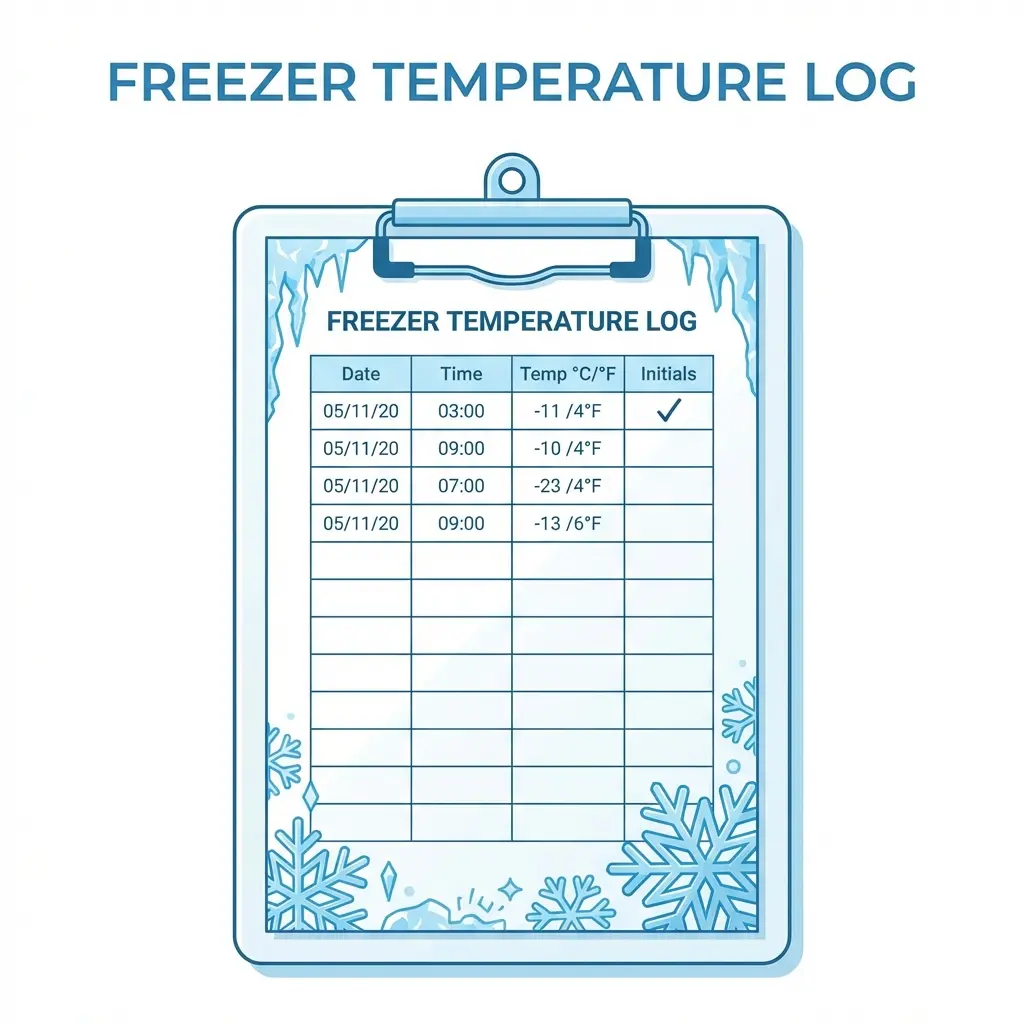
Freezer Temperature Log Template (Printable PDF)
A free printable template for commercial kitchens to log freezer temperatures. Verify your freezer stays at 0°F-18°C.
Read guide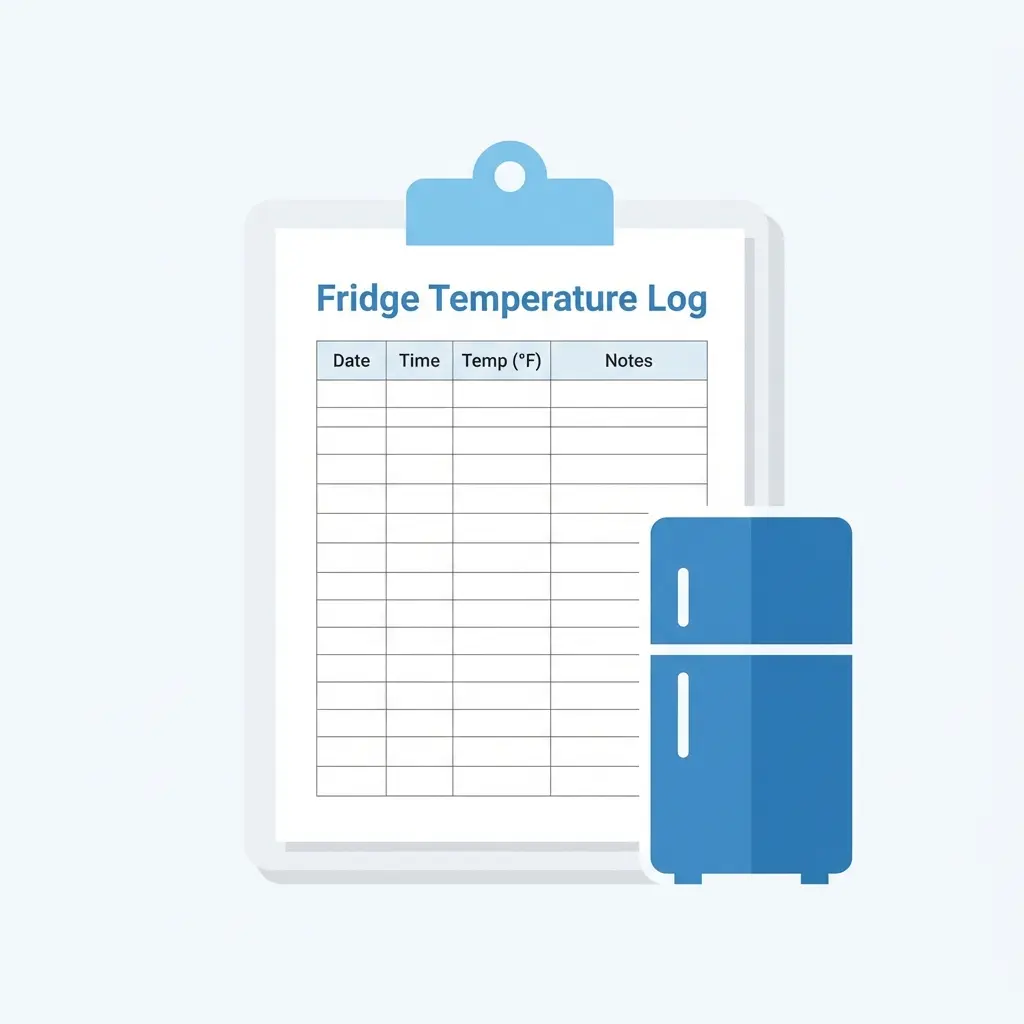
Fridge Temperature Log Template (Printable PDF)
A free printable template for commercial kitchens to log refrigerator temperatures. Required for health inspections.
Read guide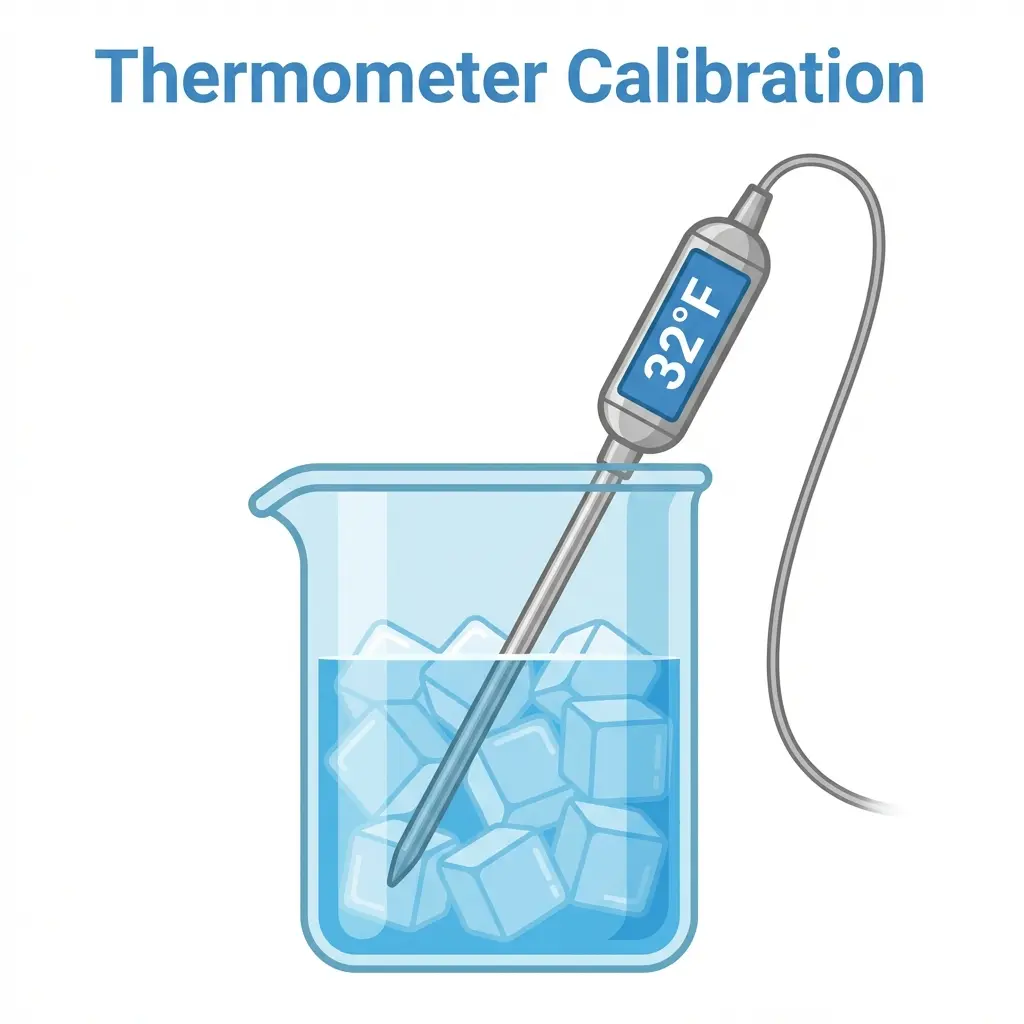
How to Calibrate a Meat Thermometer: Ice Bath Test in 2 Minutes
Most thermometers drift 3–5°F-16–-15°C over time — you could be undercooking chicken thinking it's at 165°F74°C when it's actually 160°F71°C. Ice bath test: fill glass with ice water, insert probe, should read 32°F0°C. Step-by-step calibration guide.
Read guide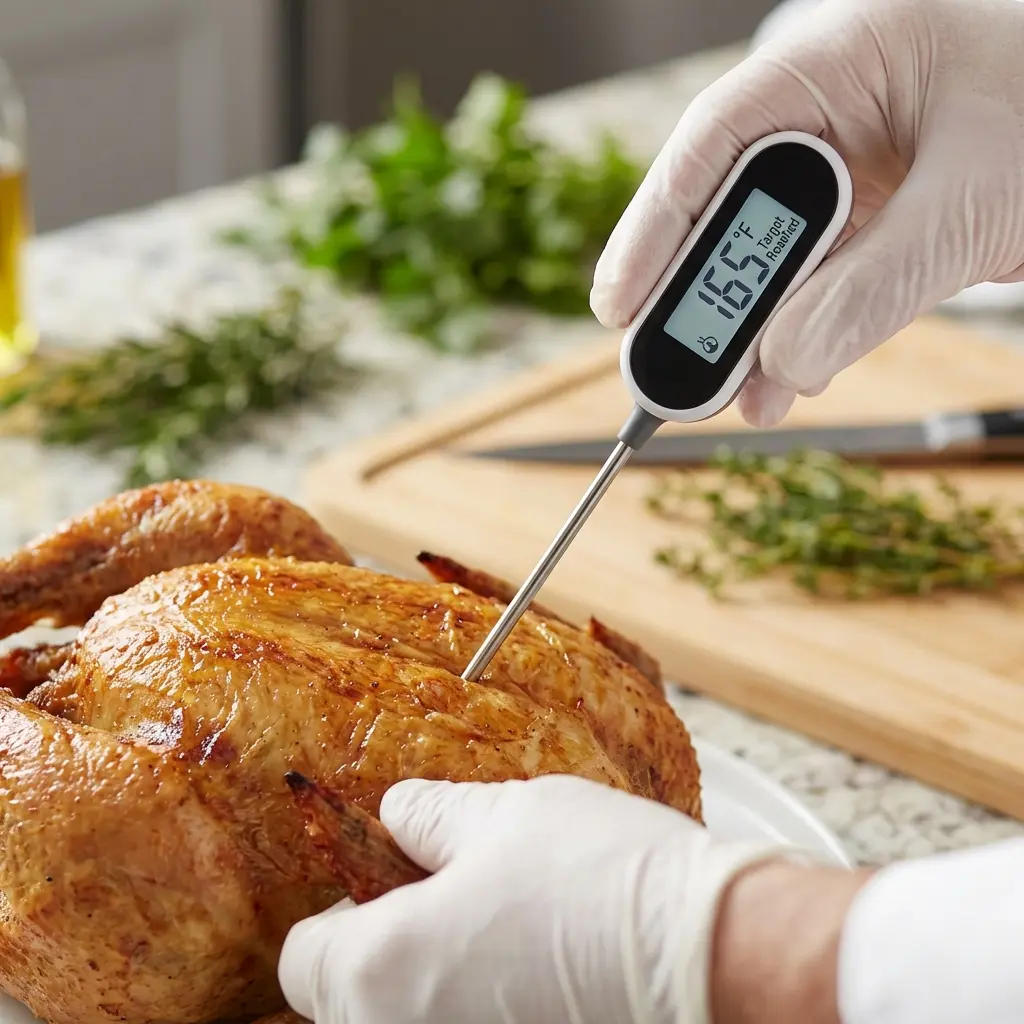
How to Use a Meat Thermometer: Find the Thermal Center (Most People Miss This)
Inserting a thermometer wrong gives false readings. Learn how to find the exact thermal center, avoid bone errors, probe thin cuts sideways, and calibrate for accuracy.
Read guide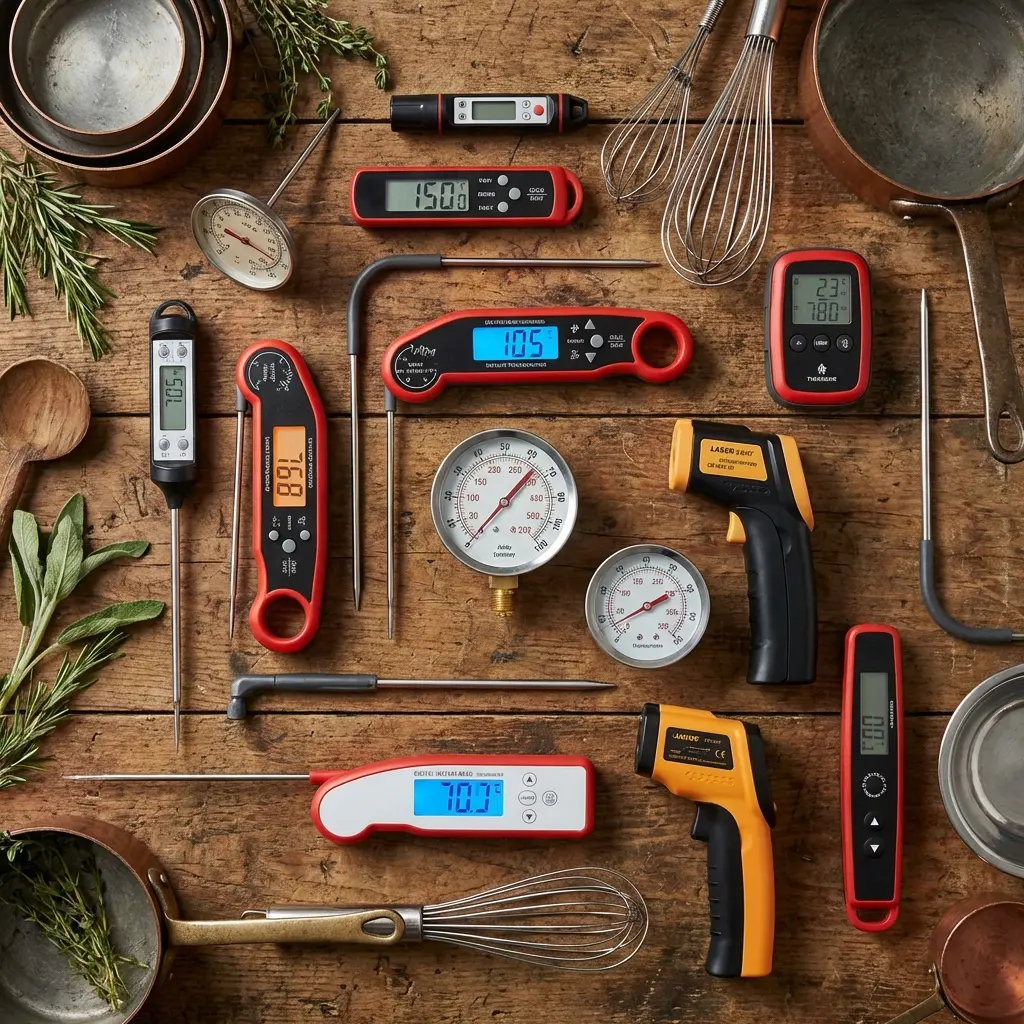
4 Types of Meat Thermometers: Instant-Read vs. Leave-In vs. Wireless vs. Infrared
Instant-read thermometers read in 2–5 seconds but can't stay in the oven. Leave-in probes monitor continuously. Wireless models send alerts to your phone. Infrared guns measure surface only. Which type you actually need — explained.
Read guide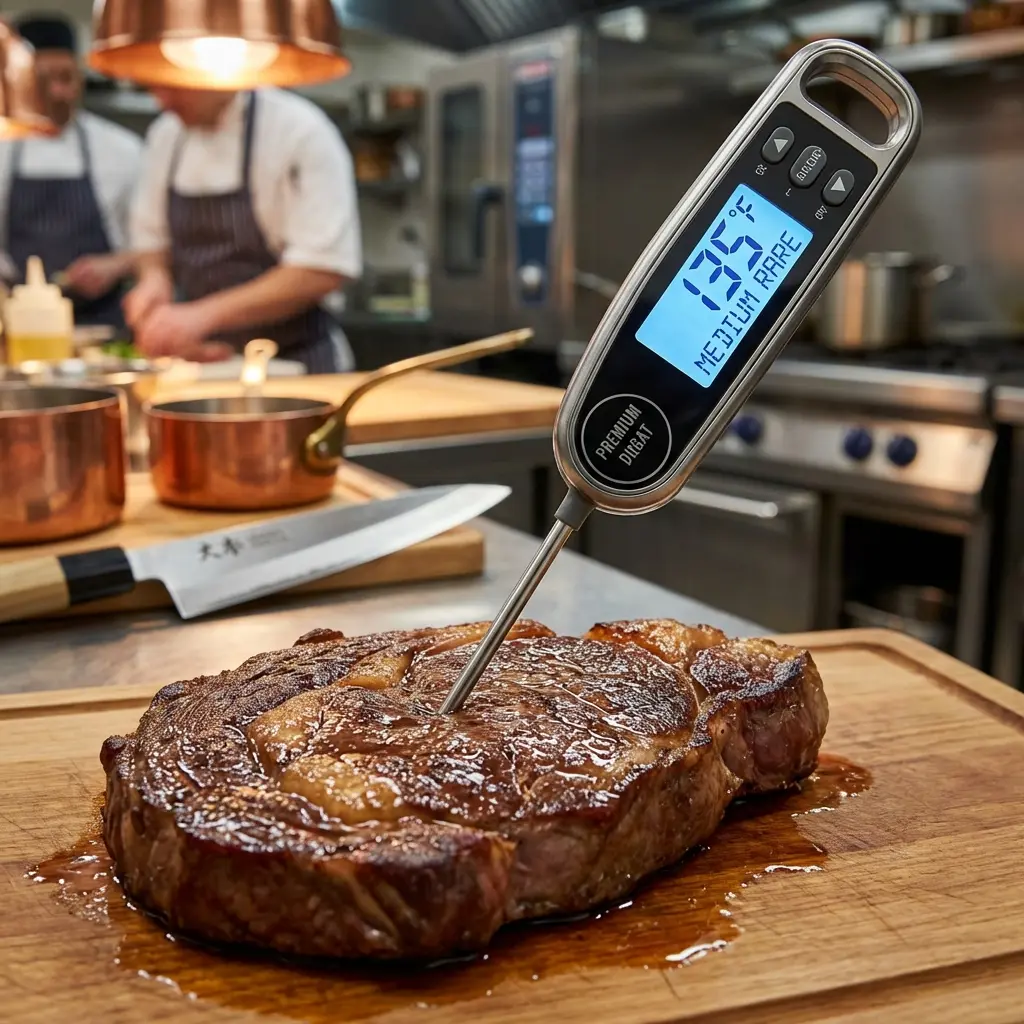
Best Instant-Read Thermometer: What to Look For (Speed, Accuracy & Price Tiers)
A good instant-read thermometer reads in 2–3 seconds and is accurate to ±0.9°F-17°C. Thermocouples are faster; thermistors are cheaper. Learn what actually matters at the $25, $50, and $100+ price tiers before you buy.
Read guide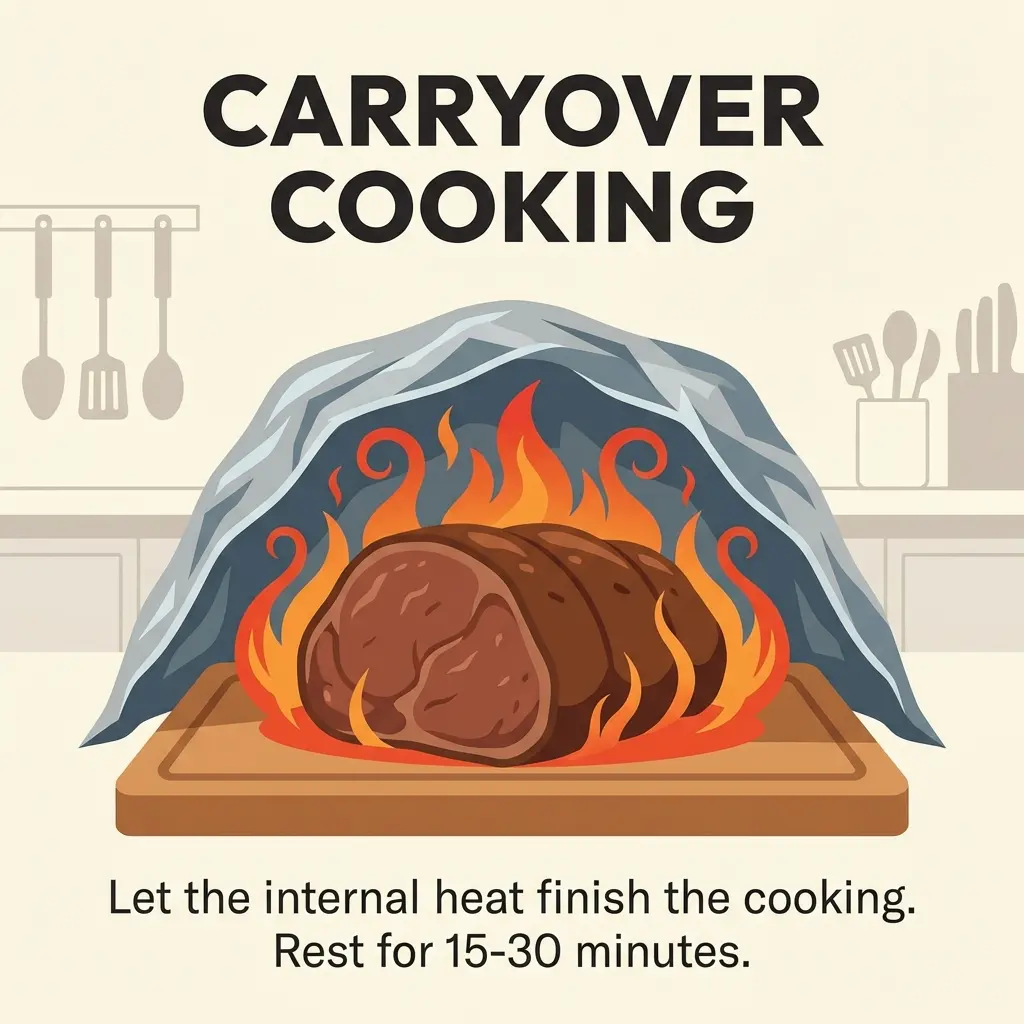
Carryover Cooking: How Much Temp Does Meat Rise After Resting?
Carryover cooking raises meat temperature 5–15°F-15–-9°C after removing from heat. A thick roast rises 15°F-9°C; a thin steak rises 5°F-15°C. Learn when to pull every cut for perfect doneness.
Read guide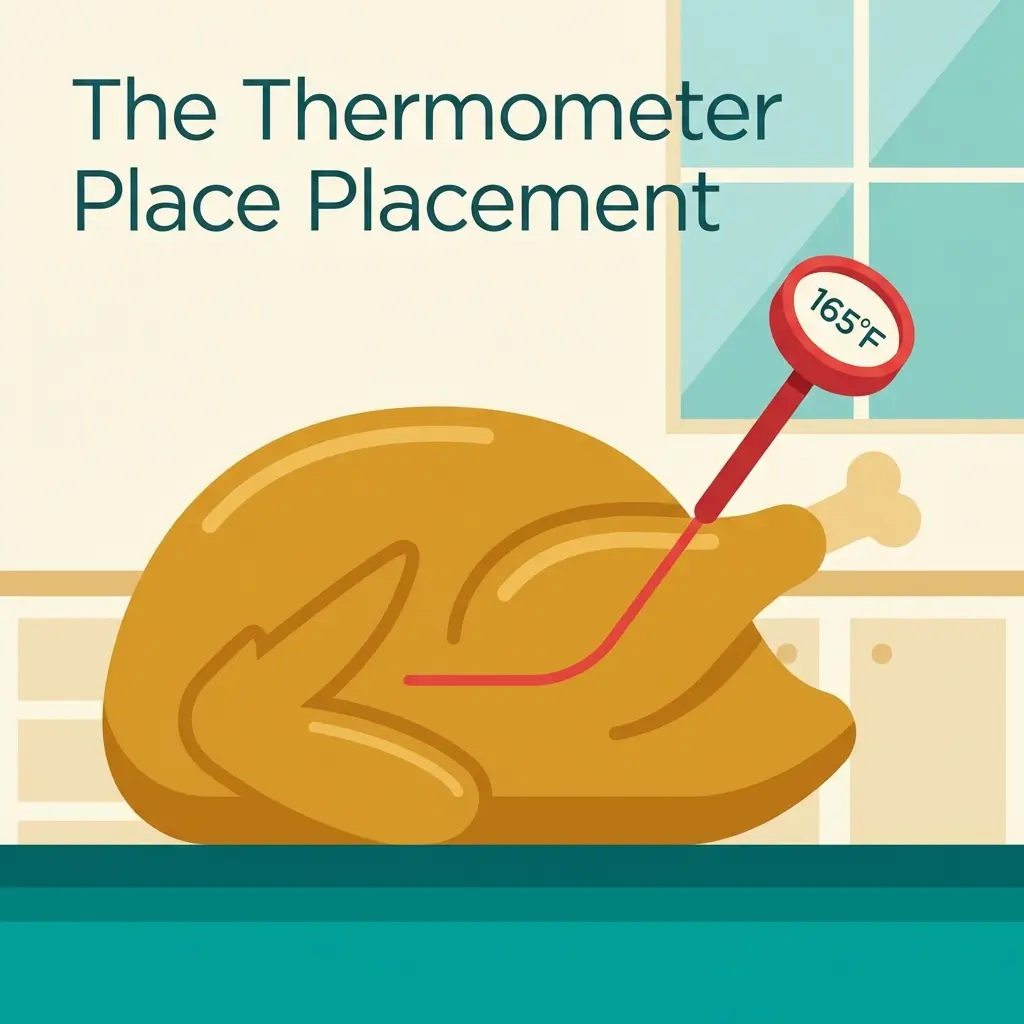
How to Use a Meat Thermometer: Placement Guide for Every Cut
Where to insert a meat thermometer: thickest part, away from bone and fat. For chicken breasts, enter from the side. For burgers, probe through the edge. Full placement guide for 10 common cuts.
Read guide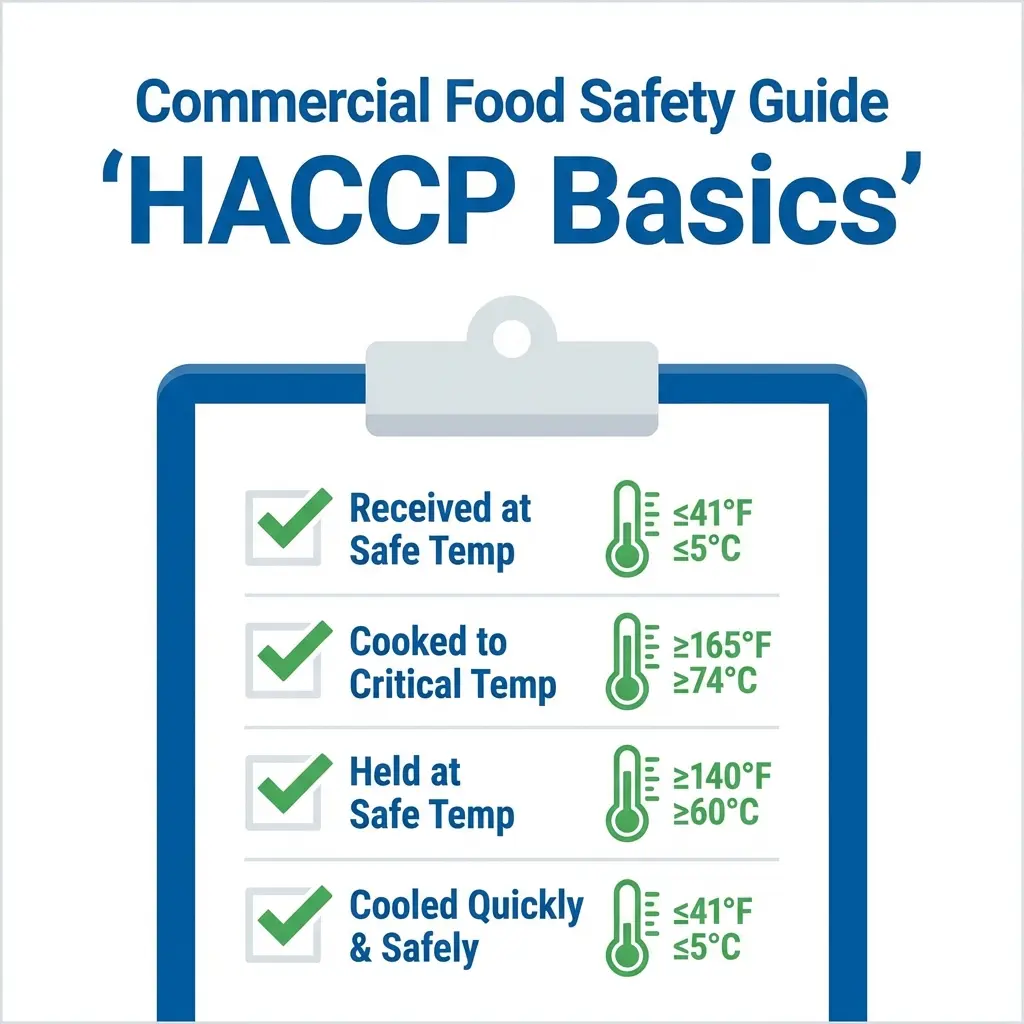
HACCP Temperature Basics: Critical Control Points for Home & Commercial Kitchens
HACCP (Hazard Analysis Critical Control Points) identifies and controls food safety risks at critical temperatures: cook to 165°F74°C, cool from 135°F57°C to 70°F21°C within 2 hours, hold hot at 135°F57°C+ and cold at 41°F5°C or below (FDA Food Code). Practical guide for commercial and home kitchens.
Read guide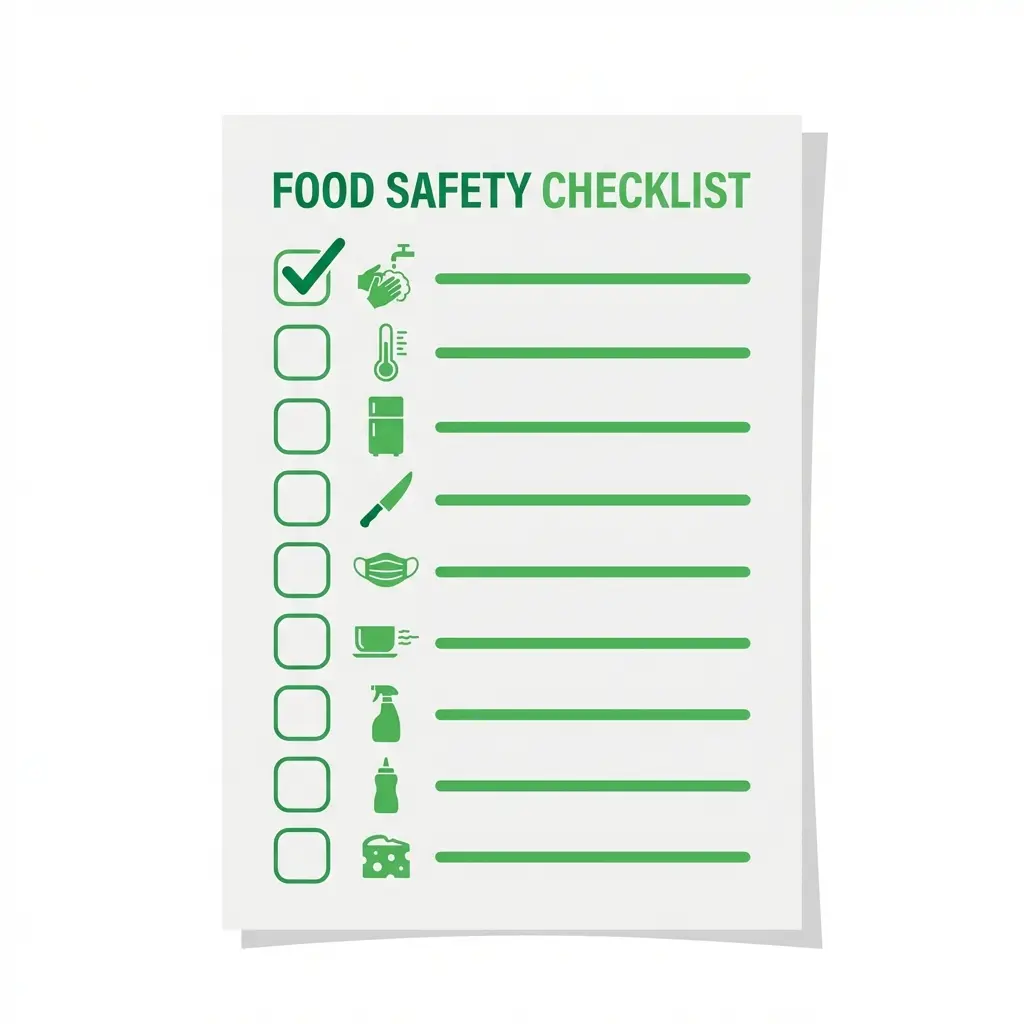
Food Safety Temperature Quick Checklist: 10 Rules Every Home Cook Needs
10 essential food safety temperature rules: cook chicken to 165°F74°C, ground meat to 160°F71°C, refrigerate within 2 hours, keep fridge at 40°F4°C or below. Printable quick-reference checklist for safe home cooking.
Read guide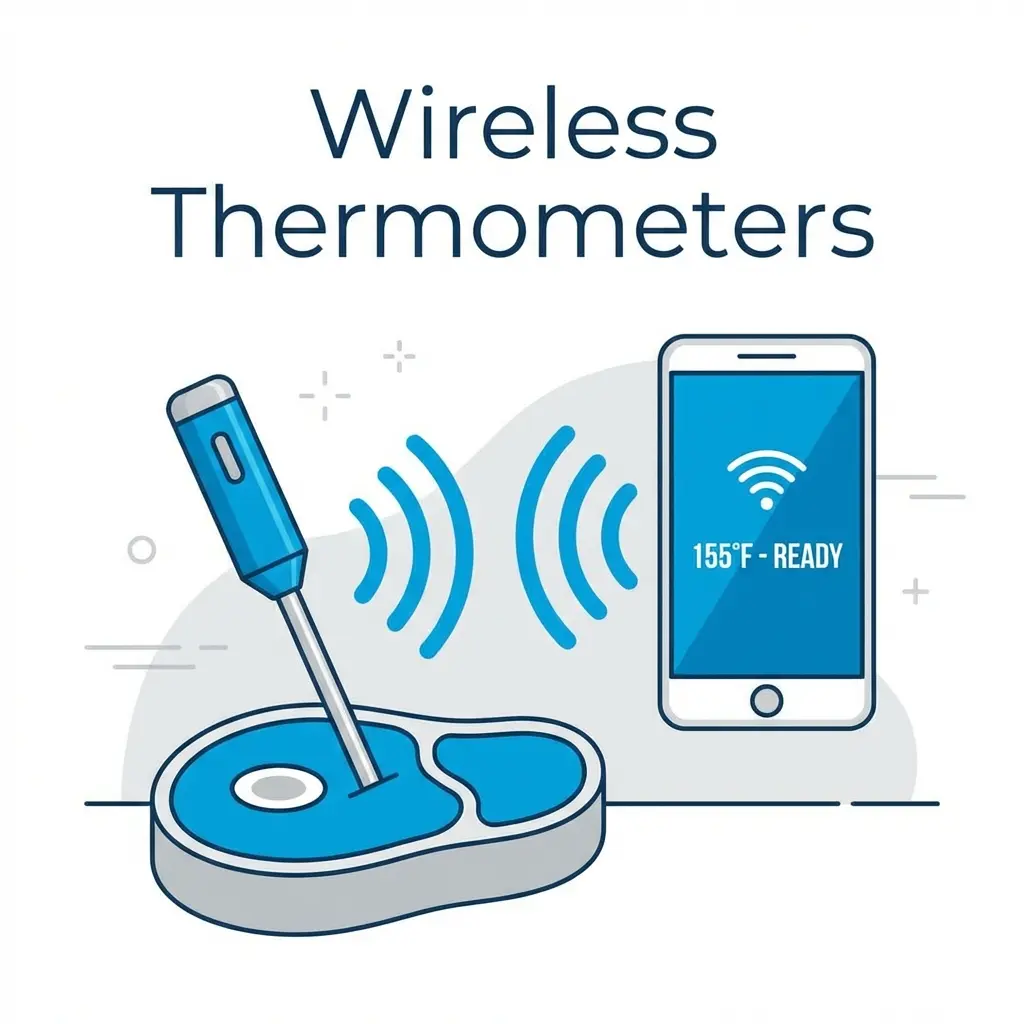
Wireless Meat Thermometer Guide: Best Features, Range & Accuracy
Wireless meat thermometers let you monitor internal temperature from up to 300 feet away. Bluetooth vs. WiFi models, key features to look for, accuracy standards, and recommended options for grill and oven use.
Read guide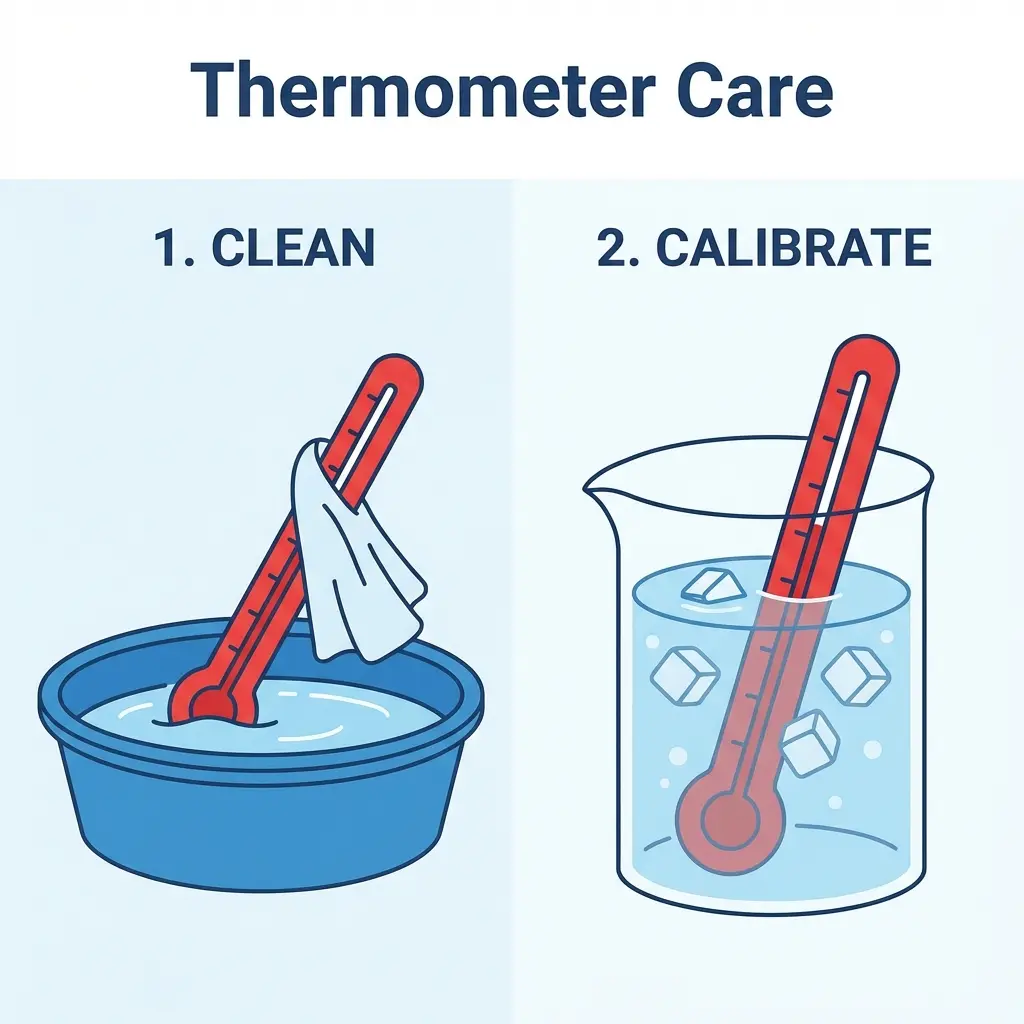
Kitchen Thermometer Care: Cleaning, Calibration & Storage Guide
Clean thermometer probes with hot soapy water or sanitizing wipes between uses. Calibrate monthly with ice water (should read 32°F0°C). Store with the probe protected. Full care guide for instant-read, probe, and infrared thermometers.
Read guide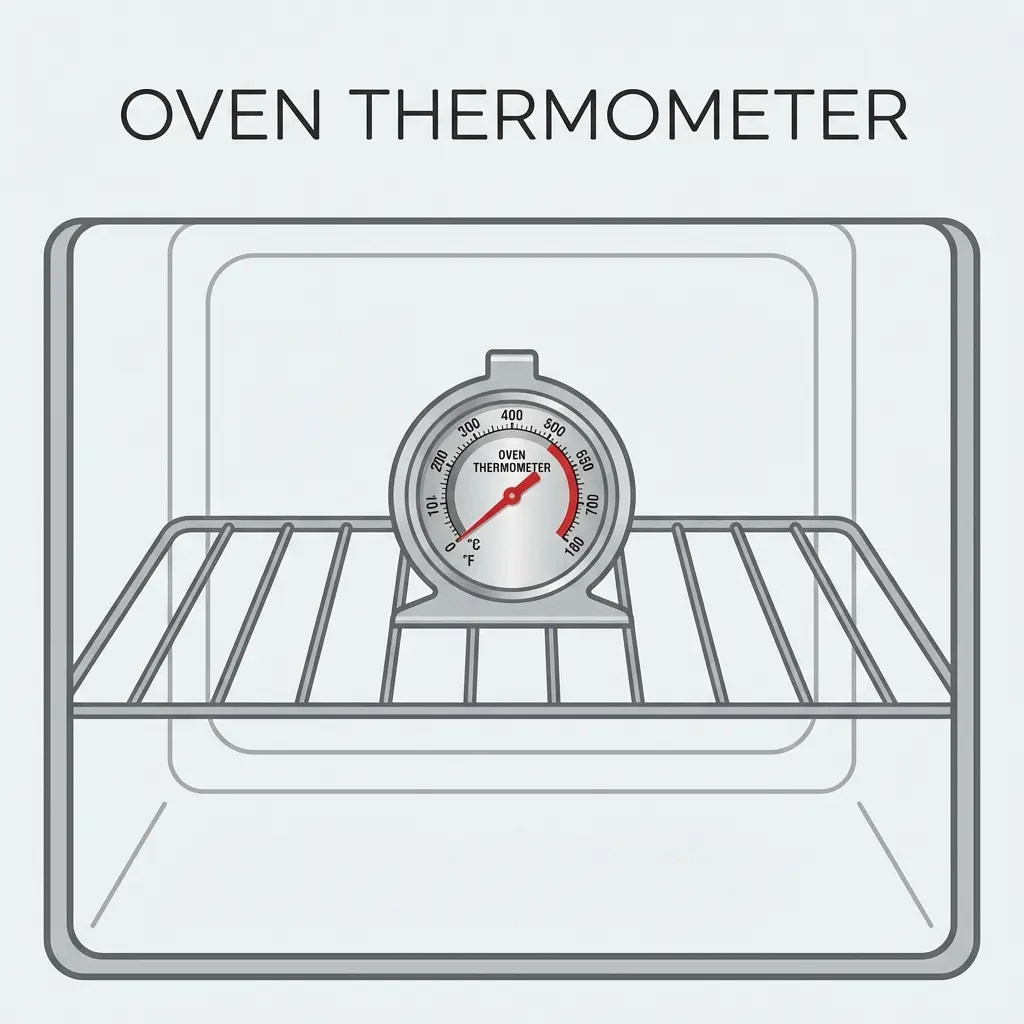
Oven Thermometer Guide: Why Your Oven Lies (and How to Fix It)
Most home ovens run 25–50°F-4–10°C hotter or cooler than displayed. An oven thermometer reveals the true temperature. Learn which type to buy, where to place it, and how to calibrate your oven accurately.
Read guide