
Pork Internal Temperature: 145°F63°C (USDA) — Pink Pork IS Safe
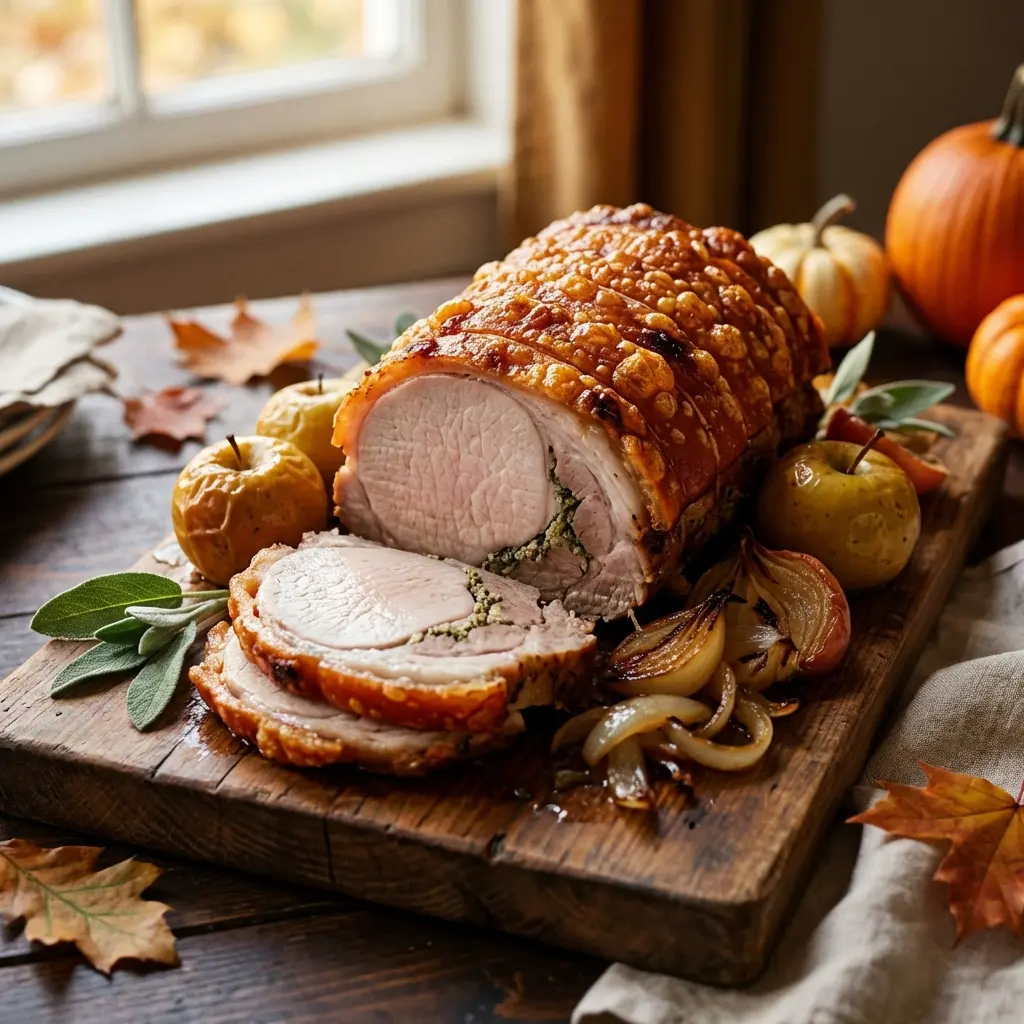
For generations, grandmothers taught us one golden rule about pork: "Cook it until it's gray, then cook it some more." The fear of Trichinosis—a parasitic disease—drove home cooks to obliterate pork chops into dry, leathery slabs of meat.
We have good news: Grandma was wrong. (Well, at least by modern standards.)
Decades of improvements in farming hygiene and feeding practices have virtually eliminated Trichinosis in commercial pork. In response, the USDA updated its guidelines in 2011 to lower the safe cooking temperature for whole cuts.
Understanding this new standard is the key to unlocking pork that is as juicy, tender, and pink as a medium-rare steak.
The New Standard: 145°F63°C
The official safe internal temperature for whole cuts of fresh pork (chops, roasts, fresh ham, tenderloin) is 145°F63°C, followed by a 3-minute rest time.
This change is revolutionary.
- At 145°F63°C: The meat is rosy pink in the center. It is bursting with moisture. The texture is tender and yielding.
- At 160°F71°C (The Old Standard): The protein fibers have tightened, squeezing out water. The meat turns white/gray and becomes tough.
Why the 3-Minute Rest Matters
With the lower temperature of 145°F63°C, the "rest time" becomes a safety requirement, not just a culinary suggestion. During this rest, the temperature remains stable or rises slightly, ensuring that any remaining pathogens are destroyed. Do not skip this step.
Exception: This new standard applies ONLY to whole muscle cuts. Ground pork (like sausage patties or meatloaf mix) must still be cooked to 160°F71°C because grinding distributes surface bacteria throughout the meat.
Cuts of Pork and Their Ideal Temps
While 145°F63°C is the minimum safe temp, some cuts benefit from higher temperatures to break down connective tissue.
1. Pork Chops & Tenderloin (Lean Cuts)
These are the "filet mignons" of the pig. They are lean and dry out instantly if overcooked.
- Goal: Medium (145°F63°C to 150°F66°C).
- Technique: Sear quickly in a hot pan or grill. Use an instant-read thermometer. Pull them at 140°F60°C and let them rest up to 145°F63°C. The result is a juicy, blush-pink center. For more detail, see our pork chops temperature guide and pork tenderloin guide.
2. Pork Loin Roast
A larger roast needs gentle cooking.
- Goal: 145°F63°C in the thickest part.
- Technique: Roast at a moderate oven temperature (325°F163°C–350°F177°C). High heat will dry out the exterior before the center is done.
3. Pork Shoulder / Butt (Fatty Cuts)
This is where the rules change. Pork shoulder is full of collagen and tough connective tissue.
- Safety: It is safe at 145°F63°C, but it will be tough and chewy.
- Goal: 195°F91°C to 205°F96°C.
- Reason: You need to cook it well past the "doneness" stage to the "breakdown" stage. At 195°F91°C+, the collagen dissolves into gelatin. This is the secret to perfect Pulled Pork. If you try to pull pork at 160°F71°C, you will be wrestling with rubber bands.
4. Ribs
Like the shoulder, ribs need time and temperature to become tender.
- Goal: 190°F88°C to 203°F95°C.
- Test: The "Bend Test" (the rack bends and cracks when lifted) is often more reliable than a thermometer on thin ribs, but the internal temp confirms the collagen breakdown. See our complete pork ribs temperature guide.
Visual Guide to Doneness
| Doneness | Internal Temp | Color Description | Texture | Recommended For |
|---|---|---|---|---|
| Medium-Rare | 145°F63°C–150°F66°C | Warm pink center | Very juicy, tender | Chops, Tenderloin (Chef's Choice) |
| Medium | 150°F66°C–155°F68°C | Slightly pink center | Firm but moist | Most Home Cooks |
| Medium-Well | 155°F68°C–160°F71°C | Mostly white, trace pink | Stiff, drier | Those preferring no pink |
| Well Done | 160°F71°C+ | Cream/White/Gray | Dry, tough | Not Recommended |
Safety Myth Busted: "Pork Must Be White"
Older cookbooks insist that pork juices must run clear and the meat must be snowy white. This advice is outdated.
Fact: A hint of pink is the sign of a properly cooked cut of pork. It means you have preserved the natural moisture of the meat. If your pork chop is pure white all the way through, you have likely overcooked it by 15°F8°C–20°F11°C degrees.
How to Check Pork Temperature
- Chops: Insert the probe horizontally through the side, aiming for the center. Avoid the bone.
- Roasts: Insert into the deepest part of the cylinder.
- Shoulder: Check multiple spots. The bone heats up faster, so ensure the meat furthest from the bone is up to 195°F91°C+ for pulling.
Frequently Asked Questions (FAQ)
Q: Is it really safe to eat pink pork?
A: Yes. The USDA verified this in 2011. As long as the internal temperature hits 145°F63°C and rests for 3 minutes, the bacteria and parasites are dead. The pink color is simply a pigment characteristic, not a danger sign.
Q: My pork loin is dry. What did I do wrong?
A: You likely overcooked it. Pork loin is extremely lean. Even hitting 160°F71°C (the old standard) will wring the moisture out like a sponge. Buy a good thermometer and trust the 145°F63°C reading.
Q: Can I use the "Touch Test" for pork?
A: No. Pork density varies. A tenderloin feels softer than a loin roast. Always use a digital thermometer. See our guide on how to use a meat thermometer.
Q: Why do ribs need to be cooked to 200°F93°C?
A: Safety is achieved at 145°F63°C, but tenderness is achieved at 195°F91°C+. If you eat ribs at 145°F63°C, the meat will be safe but incredibly tough because the connective tissue is still intact.
Q: What about brined pork?
A: Brining (soaking meat in saltwater) adds a safety net. The extra water absorbed helps the meat stay juicy even if you accidentally overcook it slightly to 150°F66°C or 155°F68°C.