
Baked Chicken Breast: Oven Temp + Doneness Guide
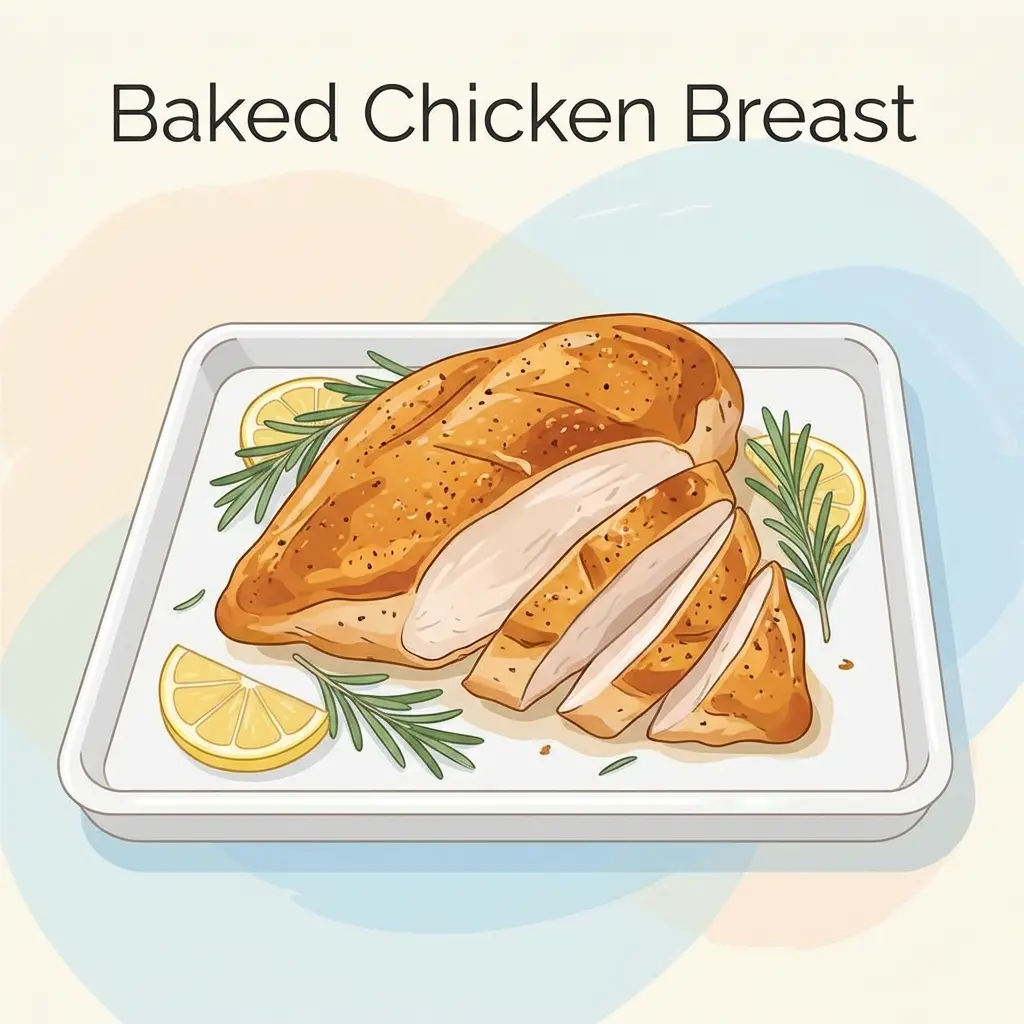
Boneless, skinless chicken breast is the most popular protein in America, and also the most abused. It has zero fat to protect it, meaning the difference between "succulent" and "shoe leather" is about 5 minutes and 10 degrees.
Here is the secret: Cook it Hot and Fast.
Low and slow (350°F177°C) simply dries out the breast before the center is cooked.
The Perfect Oven Specs
- Temperature: 425°F218°C (Convection/Fan is even better).
- Time: 18–22 minutes (depending on thickness).
- Target Internal Temp: Pull at 160°F71°C.
We pull the chicken at 160°F71°C, not 165°F74°C. Why? Carryover Cooking. During the 5-minute rest on the counter, the internal heat will rise those last 5 degrees to hit the USDA safety target of 165°F74°C, without overcooking the meat fibers.
Time vs. Temperature Guide
Different oven temperatures yield different textures.
| Oven Temp | Cooking Time (approx) | Result |
|---|---|---|
| 450°F232°C | 15–18 mins | Juiciest, requires brining to prevent burnt edges. |
| 425°F218°C | 20–22 mins | The Sweet Spot. Golden edge, moist center. |
| 400°F204°C | 22–26 mins | Good for thicker breasts. |
| 350°F177°C | 30–35 mins | Often results in dry, stringy meat. Avoid. |
Preparation for Success
You can't just throw a cold, thick breast in the oven and expect magic. The chicken needs help.
- Pound it Even: Chicken breasts are teardrop-shaped—thick at one end, thin at the other. The thin end dries out before the thick end is safe. Place the chicken between plastic wrap and pound the thick end until the whole piece is even (about ¾ inch thick).
- Dry Brine: Rub with salt/seasoning 30 minutes before cooking. This helps retain moisture.
- Oil it: Rub with olive oil to conduct heat evenly.
- Use a Thermometer: Check the temp at the 18-minute mark.
Frequently Asked Questions (FAQ)
Q: Should I cover the chicken with foil?
A: For baking? Generally no. You want the high heat to roast the meat, not steam it. Foil traps steam and can result in rubbery chicken. However, if you are cooking at a lower temp for longer, foil can prevent drying.
Q: Why is my chicken rubbery?
A: "Woody Breast Syndrome" is a genetic issue in modern large chickens, but rubbery texture is usually from steaming (overcrowding the pan) or undercooking slightly. Conversely, stringy dryness is overcooking.
Q: Can I bake from frozen?
A: Yes, but it takes 50% longer (about 30–35 mins at 425°F218°C). It won't be as juicy as thawed chicken, but it is safe if it hits 165°F74°C.
Q: Does bone-in chicken breast cook differently?
A: Yes! The bone insulates the meat. Add 10–15 minutes to the cooking time. Bone-in, skin-on breasts are generally much juicier and more forgiving than boneless/skinless.
Meal Prep: Cooking Breasts Ahead
Baked breast is the default meal-prep protein, and the same rules that keep it juicy on day one keep it edible on day four: pull at 160°F71°C, rest, then cool it quickly and whole — slicing before storage exposes more surface to drying. Refrigerated within the 2-hour window, cooked breast keeps 3–4 days. Slice or cube portions cold, just before eating; reheat covered with a spoonful of water or broth to 165°F74°C, or skip reheating entirely — cold sliced chicken over salads and grain bowls sidesteps the dryness problem altogether.
More Questions
What is the best oven temperature for baking chicken breast?
The best oven temperature for juicy baked chicken breast is 400–425°F204–218°C. Higher temperatures create a slightly seared exterior that traps moisture inside, and the shorter total cook time (20–25 minutes vs. 35–45 minutes at 350°F177°C) means less time for moisture to escape. Remove at 160°F71°C and rest 5 minutes — carryover cooking brings it to the USDA-required 165°F74°C.
How long to bake chicken breast at 425°F218°C?
At 425°F218°C: a 5–6 oz boneless skinless breast takes 18–22 minutes. A thick 8–9 oz breast takes 22–26 minutes. Bone-in breasts take 30–35 minutes. Start checking at the minimum time — the exact timing varies significantly based on thickness and starting temperature. Pull at 160°F71°C and rest 5 minutes.
Should I cover baked chicken breast with foil?
For the first 15 minutes, covering with foil traps steam and helps the breast stay moist. Remove the foil for the last 5–8 minutes to allow slight browning and get a non-pallid appearance. Alternatively, skip the foil entirely and rely on the high-heat (425°F218°C) technique — the rapid crust formation reduces moisture loss without needing steam. If brining for 30 minutes before cooking, foil is unnecessary.
Why is my baked chicken breast always dry?
The most common cause: cooking too long. Chicken breast has almost zero fat and very little collagen — there is nothing to protect it from heat beyond a narrow temperature window. Even 5°F-15°C of overcooking above 165°F74°C noticeably dries out chicken breast. Use a thermometer, pull at 160°F71°C, and rest. Additional help: dry brine (salt 30–60 minutes before cooking) or wet brine (1 tablespoon salt per cup of water for 30 minutes) significantly improves moisture retention.
How do you make baked chicken breast more flavorful?
Flavor techniques for baked chicken breast: (1) Dry brine with salt + garlic powder + paprika for 1–2 hours before cooking; (2) Marinade with acid (lemon juice, yogurt, buttermilk), oil, and herbs for 2–8 hours; (3) pound to even thickness and score the surface so seasoning penetrates; (4) compound butter under the skin (for skin-on breasts) — place butter mixed with herbs and garlic directly under the skin before roasting.