
Shrimp Temperature: 120–140°F49–60°C (Why 145°F63°C Ruins Them)
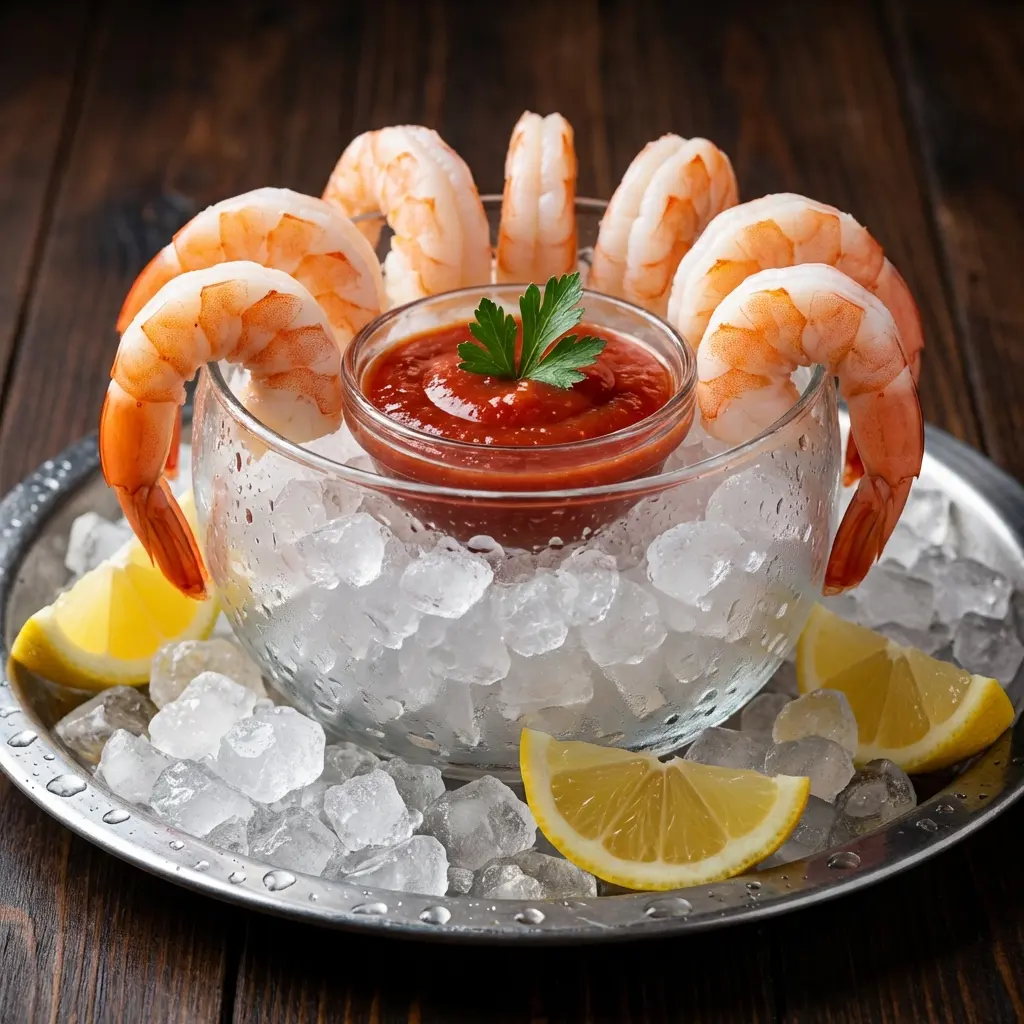
Shrimp is the most consumed seafood in the US, yet it is habitually overcooked. Because they are so small, shrimp can go from "raw" to "perfect" to "tire rubber" in less than 60 seconds.
While you can measure the internal temperature of a large prawn, for most shrimp, relying on visual cues and shape changes is actually more practical.
In this guide, we reveal the surprisingly low temperature that shrimp actually need, and the "Alphabet Rule" that will save your next shrimp cocktail.
The Ideal Temp: 120°F49°C to 140°F60°C
Technically, the USDA recommends 145°F63°C for all seafood. However, at 145°F63°C, shrimp curl tight and become chewy.
The Culinary Sweet Spot:
- 120°F49°C: The flesh turns opaque and pink. The texture is crisp and "snaps" when bitten. It is juicy.
- 140°F60°C: The texture begins to tighten. It becomes firmer but still pleasant.
- 165°F74°C (Overcooked): The shrimp shrinks to half its size. It is tough, dry, and chewy.
The Alphabet Rule: C vs. O
Since probing a small shrimp is difficult, use the shape as your guide.
- "I" Shape (Straight): Undercooked / Raw.
- "C" Shape: Cooked. The shrimp has curled slightly into a gentle C. This is the moment of perfection.
- "O" Shape: Overcooked. The head touches the tail, forming a closed loop. The muscle fibers have contracted fully. It will be rubbery.
Memory Trick:
- C = Cooked.
- O = Overcooked.
Cooking Methods for Precision
1. Boiling / Poaching (Shrimp Cocktail)
This is where most people mess up.
- Mistake: Boiling the water, dropping shrimp in, and letting them boil for 5 minutes.
- Fix: Turn the heat OFF.
- Bring water to a boil with lemon/spices.
- Turn the heat OFF.
- Drop the shrimp in.
- Let them sit in the hot water for 2-3 minutes until pink.
- Ice Bath: Immediately plunge them into ice water to stop the cooking. This guarantees that "snap."
2. Searing / Grilling
- Heat: High.
- Time: 2 minutes side A, 1 minute side B.
- Cue: Watch the side of the shrimp. As the gray turns to pink/white, watch the color line move up. Flip when it is halfway up.
Sourcing: Fresh vs. Frozen
Fun Fact: Almost all "fresh" shrimp at the grocery store was previously frozen. Shrimp deteriorates incredibly fast.
- Strategy: Buy IQF (Individually Quick Frozen) shrimp in bags. They are often higher quality than the "fresh" ones sitting in the display case for 2 days.
- Thawing: Thaw in a bowl of cold water for 15 minutes. Never microwave thaw shrimp; they will cook in the process. For more details, see our guide on thawing food safely.
Safety & "Veins"
- The "Vein": The black line running down the back is the digestive tract (intestine). It is safe to eat but gritty. Removing it ("deveining") is purely for texture and aesthetics.
- Odor: Raw shrimp should smell like the ocean. If it smells like ammonia or "fishy," it is spoiling. Do not cook it.
Frequently Asked Questions (FAQ)
Q: Why are my shrimp mushy?
A: Two possibilities:
- Undercooked: Translucent center.
- Old/Temperature Abuse: If shrimp gets too warm before cooking, enzymes break down the flesh.
- Sodium Tripolyphosphate: Some cheap shrimp is treated with chemicals to retain water weight. It creates a gummy texture. Buy untreated shrimp if possible.
Q: Can I measure the temp of a Jumbo Prawn?
A: Yes! For U-10 or U-12 prawns (huge ones), insert the probe into the thickest part of the head end. Pull at 125°F52°C–130°F54°C.
Q: What about Scampi?
A: Scampi usually involves an acidic sauce (lemon/wine). Acid "cooks" seafood (like ceviche). Be careful not to simmer fully cooked shrimp in lemon sauce for too long, or they will toughen up twice as fast. Add the shrimp at the very end.
Q: Why did my shrimp stick to the shell?
A: If you are boiling "peel-and-eat" shrimp, sticking shells usually means the shrimp wasn't shocked in ice water, or it was slightly overcooked, fusing the protein to the shell.
More Questions
What temperature should shrimp be cooked to?
The culinary sweet spot for shrimp is 120–140°F49–60°C internal temperature. At 120°F49°C the flesh turns opaque and pink with a firm snap. The USDA recommends 145°F63°C for seafood safety, but at that temperature shrimp become rubbery and overcooked. Cooking shrimp to 120°F49°C and immediately ice-bathing achieves the best texture.
How do you know when shrimp are cooked without a thermometer?
Use the alphabet rule: shrimp form a C-shape when cooked and an O-shape when overcooked. When raw, shrimp are straight (I-shape). As soon as they curl into a C and turn pink-opaque, remove them from heat immediately. An O shape means the shrimp has overcooked and will be rubbery.
What temperature do prawns need to be cooked to?
Prawns (what shrimp are called in Australia, NZ, and the UK) should be cooked to 120–140°F49–60°C internally for the best texture. Large King Prawns can be probed: pull at 125°F52°C. For smaller prawns, watch for the C-shape — pink and opaque throughout.
Why are my shrimp rubbery?
Rubbery shrimp are almost always overcooked. Shrimp go from perfect to rubbery in under 60 seconds on high heat. The most common mistake is boiling shrimp in actively boiling water for too long. Instead, bring water to a boil, turn the heat OFF, add the shrimp, and remove after 2–3 minutes when they form a C-shape.